A process of "silent transformation" is taking place in the field of nuclear energy, associated with the introduction of fourth-generation nuclear energy systems. They should help solve key industry problems, such as ensuring safety and handling long-lived radioactive waste.
Modern NPPs
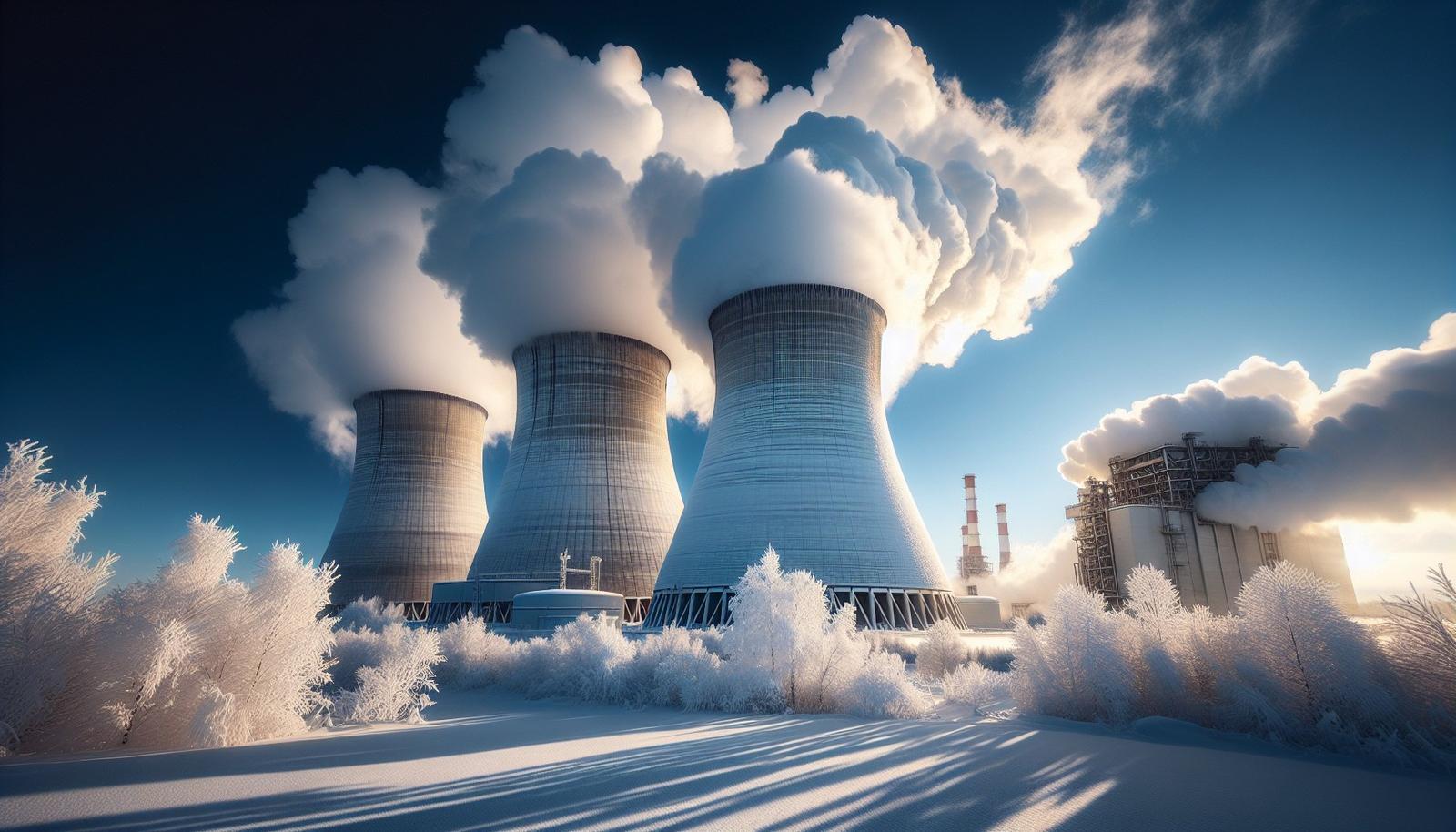
Most nuclear power plants in the world, taking into account the modernizations carried out, can be attributed to the second and third generations.
The first included reactors that were created at the initial stage of commercial use of nuclear energy. The second generation includes larger stations that were built in the 1970s and 1980s. Additional safety requirements and standardization of technologies led to the emergence of the third generation of nuclear power plants.
In accordance with the classification adopted in the industry, the fourth generation includes not only nuclear power plants, but also complex nuclear energy systems that meet a number of key criteria:
- the highest level of safety and reliability of power plants;
- ensuring sustainable development through a significant increase in the efficiency of nuclear fuel use and a reduction in the potential biological hazard of waste;
- economic competitiveness with alternative energy sources;
- support for the non-proliferation regime of nuclear materials.
It is the fourth generation nuclear energy systems that can radically change nuclear energy, primarily due to a new level of safety, expansion of the fuel range and a significant reduction in the hazard of radioactive waste.
There are several technical solutions that allow achieving such characteristics. Six system options are considered the most promising. In the reactor part, fast neutron reactors with a sodium coolant are the most common. Russia occupies a leading position in the world in terms of operating experience with such installations.
As a basis for stable energy supply, many countries, including Russia, are considering projects for fast reactors with a lead coolant. These reactors have attractive safety and fuel consumption properties.
Another promising option is a molten salt reactor. It has great potential for transmutation of minor actinides, that is, for "afterburning" unwanted waste from the nuclear industry.
The third type, high-temperature gas reactors, operates at significantly higher temperature indicators, which, theoretically, can provide them with high performance in the production of hydrogen as a carbon-neutral fuel. However, their use in a closed nuclear fuel cycle is associated with certain difficulties.
"Russia has advanced the furthest"
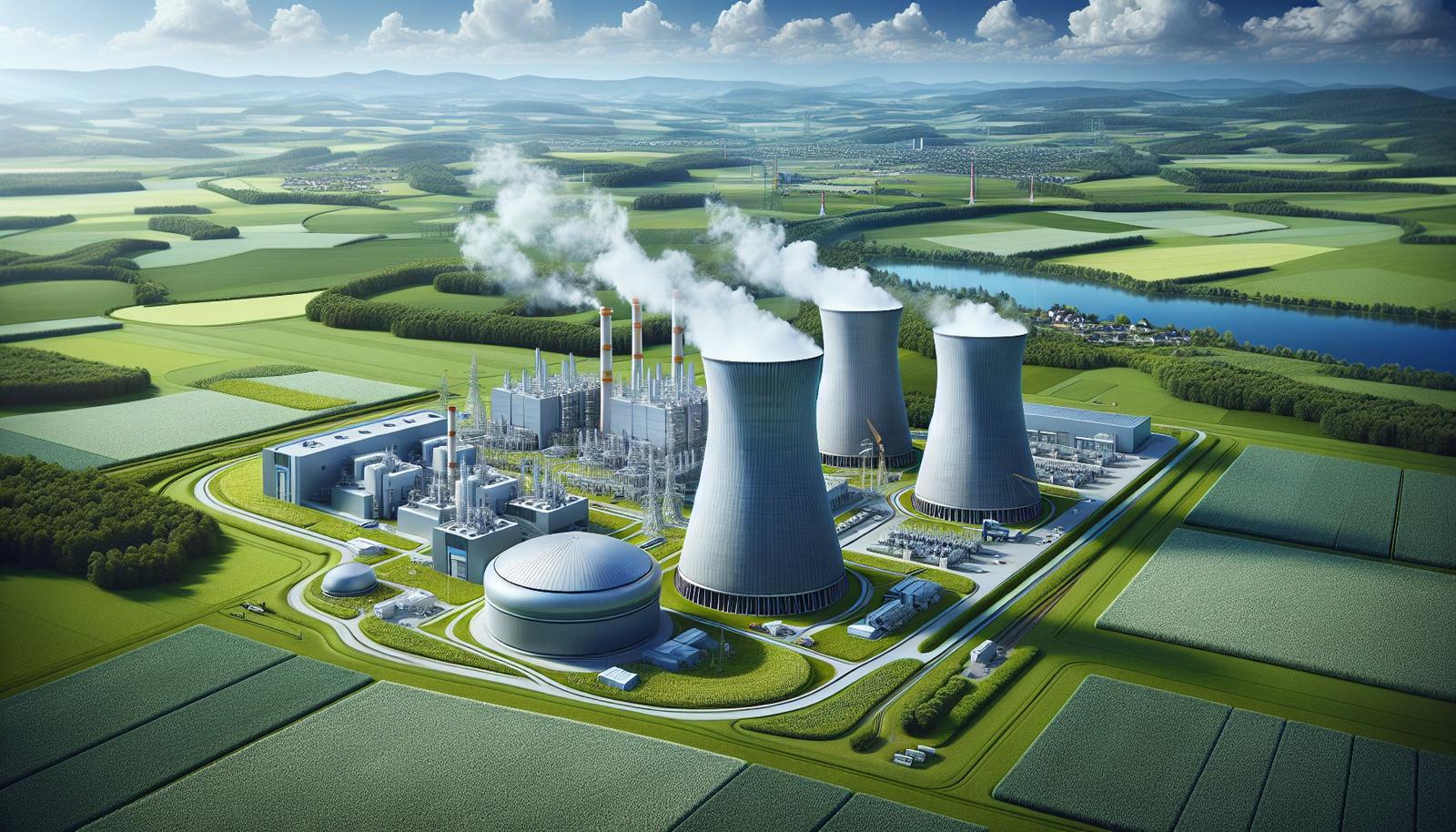
Currently, Russia occupies a leading position in the development of innovative reactors for creating modern fourth-generation nuclear energy systems.
Among them, two projects can be distinguished:
- The Pilot Demonstration Energy Complex (ODEC) with the BREST-OD-300 reactor, which is being built in the Tomsk region. This complex will operate on a lead coolant and use a closed nuclear fuel cycle.
- The BN-1200M power unit, which is planned to be built at the Beloyarsk NPP.
These projects represent innovative solutions in the field of nuclear energy and open up new prospects for the development of the industry.
Russia has advanced the furthest - this was facilitated by the powerful groundwork laid in Soviet times: a scientific school, production facilities, a huge "chest" with projects developed at different times, but which have not lost their relevance to this day, as well as the fact that only Russia has operating fast neutron reactors of high power, which have proven their effectiveness.
The BN-600 reactor has been successfully operating at the Beloyarsk Nuclear Power Plant for more than 40 years. And recently, the BN-800 reactor was launched, which is already operating with a full load of the active zone with uranium-plutonium MOX fuel.
Russia also has long-standing traditions in the field of technologies related to reactors, the initial stages of the fuel cycle and radiochemistry, Rosatom noted. If you combine this knowledge and skills, you can achieve a synergistic effect. This will allow creating a two-component energy system, including reactors on thermal and fast neutrons, which will operate in a closed fuel cycle.
The main advantage of Russia over other market participants is that it is actively developing technologies for afterburning minor actinides in fast reactors. Rosatom is betting on the multiple use of nuclear materials after reprocessing irradiated fuel, while other companies are limited to single use.
"Breakthrough"
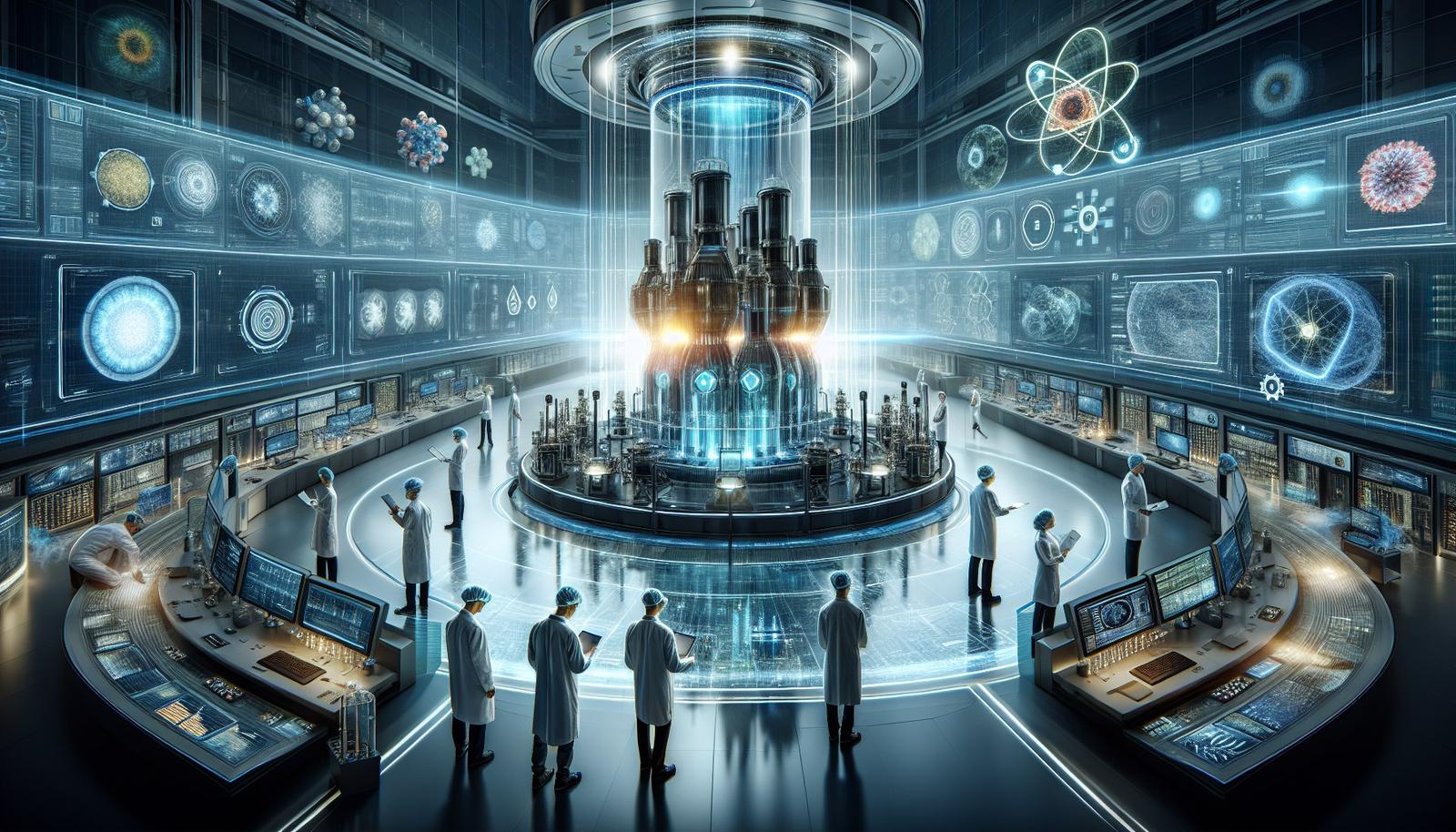
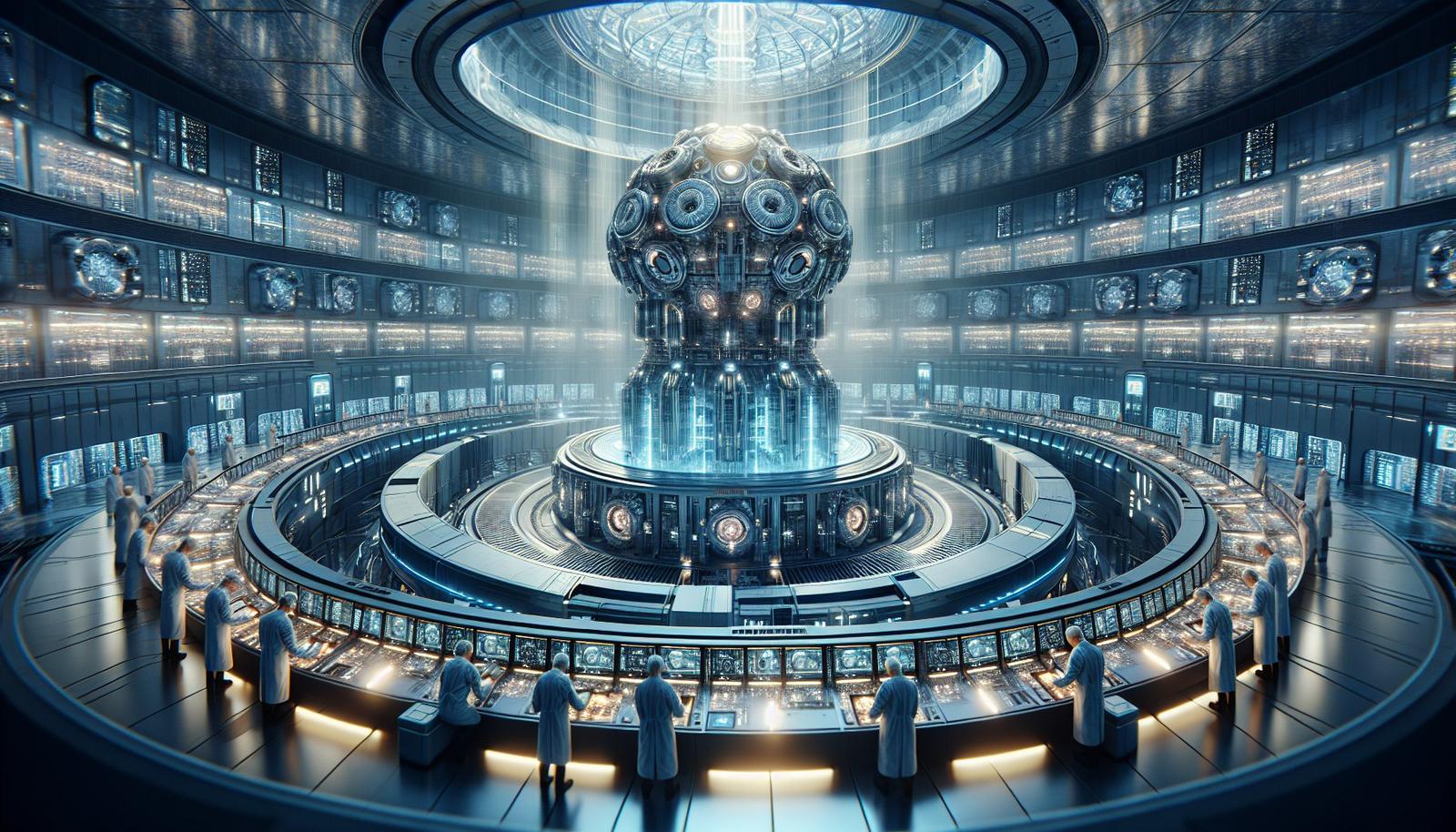
Currently, the main testing ground for the introduction of advanced fourth-generation technologies is located in the city of Seversk, Tomsk region. Here, within the framework of the "Breakthrough" project, the construction of the ODEK is underway.
This is the first project in the world that will allow creating a closed nuclear fuel cycle at one site. It is the possibility of closing the cycle and afterburning the most radioactive components of the fuel that opens up prospects for the reuse of spent nuclear fuel and a significant reduction in the consumption of new materials.
The project is based on an innovative fast neutron reactor unit using liquid lead as a coolant. The unit's capacity is 300 MW(e).
The project also includes the construction of an on-site plant, which will include modules necessary for closing the nuclear fuel cycle. They will be engaged in the processing of irradiated mixed nitride uranium-plutonium fuel and its production.
The BREST-OD-300 reactor will be able to independently provide itself with the main energy component - plutonium. It will produce it from the uranium-238 isotope, which makes up more than 99% of natural uranium.
The new nuclear reactor is scheduled to be commissioned in 2028. Construction work is currently underway.
The project also includes preparations for the construction of a complex for the processing of spent nuclear fuel. Scientists have developed a unique technology that allows effectively separating valuable nuclear materials from fission products.
Materials obtained from spent nuclear fuel after reprocessing will be used for the repeated manufacture of fresh fuel. Thus, this system will gradually become almost independent of external energy supplies.
Accelerating Reprocessing
At the same time, another technology for the disposal of radioactive waste is being developed in parallel. In July, at the Beloyarsk NPP, heat-generating assemblies with uranium-plutonium MOX fuel, to which so-called minor actinides were added - one of the most dangerous and long-lived components contained in spent nuclear fuel - were loaded into the BN-800 fast neutron reactor for the first time.
The fuel was loaded into the reactor core after obtaining permission from the Federal Service for Environmental, Technological and Nuclear Supervision, which confirmed the safety of operation of innovative assemblies.
Experimental fuel was created at the end of 2023. In the BN-800 reactor, these heat-generating assemblies will be used in pilot industrial operation for three micro-campaigns, which is approximately equal to one and a half years.
According to experts, when burning minor actinides, it is possible to achieve that the radiation impact from reprocessed nuclear fuel will be comparable to the impact from the original uranium raw material. This will happen in about 300 years, which is much faster than in the absence of nuclear fuel reprocessing, when this process takes hundreds of thousands of years.
Earlier, the Khlopin Radium Institute, which is part of Rosatom's Scientific Division, developed and tested an innovative technology that allows sealing radioactive waste in borosilicate glass using the method of induction melting in a hot crucible. This technology can be used for isolation and reliable storage of liquid radioactive waste. The new installation has an improved melt temperature monitoring system, which helps to increase the level of safety and process control.
Read materials on the topic:
Neutralized by 60%: Rosatom is recultivating the Krasny Bor toxic waste landfill near St. Petersburg
Never miss our newsAdd this site to your preferred sources to see us more oftenAdd on Google












![Growth Point: After 5G Launch, Mobile Internet in Russia Accelerated by 20%","subtitle":"TelecomDaily recorded an upload speed increase of 19.7%, and download speed of almost 14%","announce":""}[]}],](https://media.ixbt.site/fit-in/320x/ixbt-data/1727896/ai-image-nvgq0a0v5cjnyxwoc8xpelva.webp)