Scientists from the Institute of Semiconductor Physics of the Siberian Branch of the Russian Academy of Sciences (Novosibirsk) and the Joint Institute for High Temperatures of the Russian Academy of Sciences (Moscow) have developed a sensor based on graphene and polymer that analyzes the composition of exhaled air in real time. The device detects extremely low concentrations of acetone and other molecules — markers of diabetes mellitus, heart failure, and other chronic diseases.
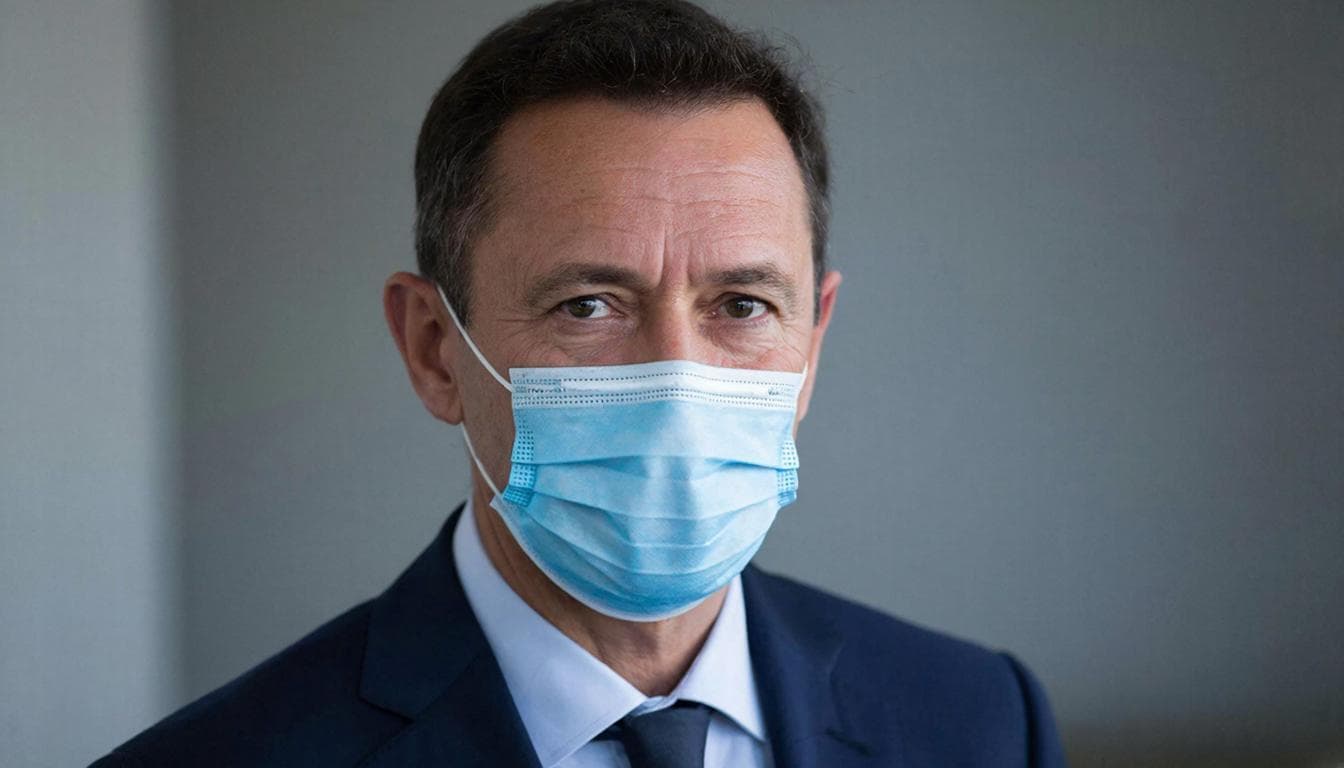
The device is a thin film printed on ordinary office paper. It can be attached to a medical mask, which is especially convenient for continuous monitoring of patients' breathing in hospitals, for example, during operations. The sensor with high sensitivity detects changes in the composition of the air: when water vapor, acetone, or ammonia enters it, its conductivity changes, and characteristic spectra appear on the device screen.
The researchers tested the device on 32 volunteers — healthy people, patients with diabetes, and a person who had suffered a heart attack. The sensor clearly identified a peak corresponding to acetone in the exhaled air of patients. Moreover, the sensitivity of the device is sufficient for early diagnosis, which is especially valuable for the timely detection of diseases.
Project Manager Irina Antonova explained that scientists have developed sensors of different designs, each of which is "tuned" to specific marker molecules. This allows patients with suspected chronic diseases to monitor their condition even at home. The device is characterized by low cost and ease of use. So far, only laboratory samples have been created; several more stages must be completed before a ready-made user device is released.
Read more on the topic:
- Fuel from Air: NUST MISIS, RAS, and Skoltech are Changing the Game
- When the Earth is Silent: The Russian Academy of Sciences is Developing Protection Against Stress in Space
- Stress can now be measured directly through the skin: scientists from ISP SB RAS have created a sensor that tracks a person's condition in real time
Never miss our newsAdd this site to your preferred sources to see us more oftenAdd on Google

















