Researchers from ITMO, Skoltech, and MIPT have developed a new method of photothermal cancer immunotherapy. The technology allows for highly accurate control of the immune response directly inside the tumor using a laser. It is based on light-sensitive microcarriers that release the drug strictly in a specific location and at the right time under the influence of radiation.
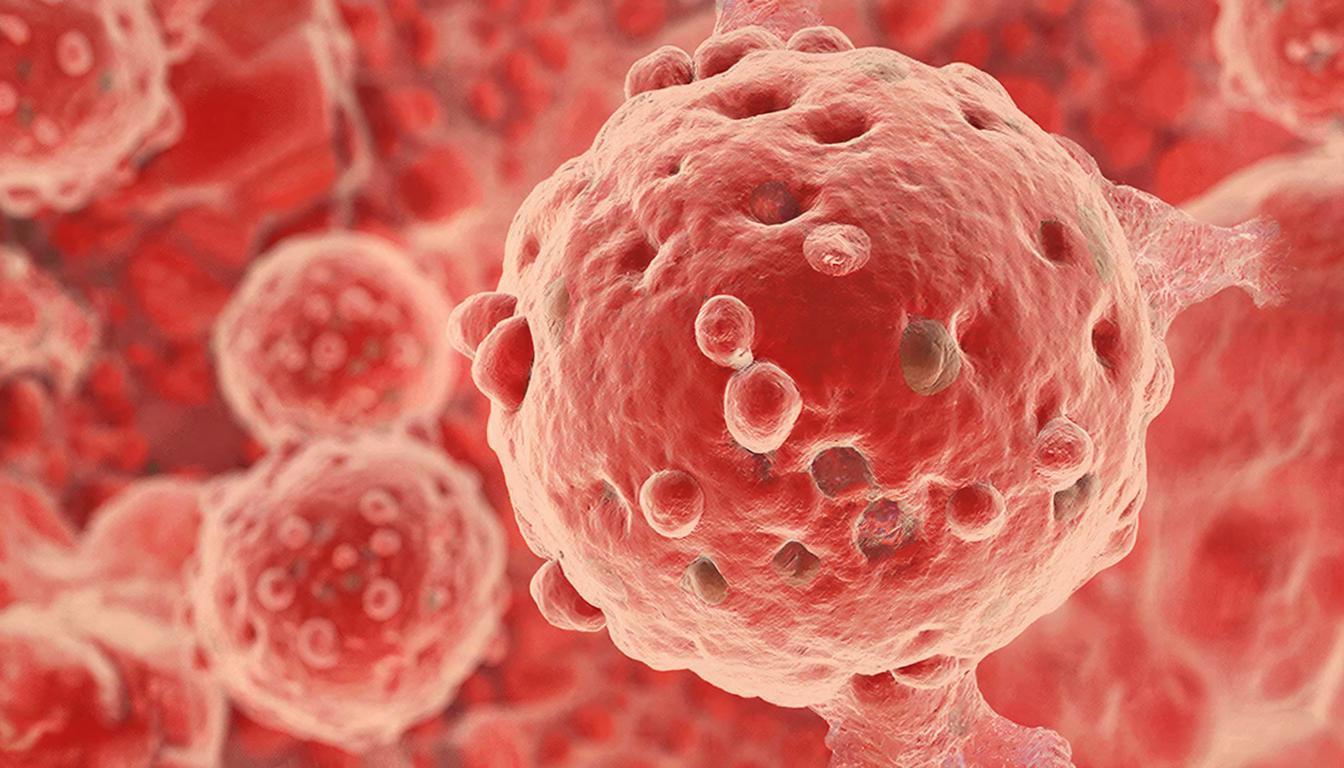
A malignant tumor survives by being able to restructure its microenvironment. Macrophages play a key role — immune cells that normally destroy pathogens. Inside the tumor, they more often acquire the M2 phenotype ("defenders" of the tumor), and the necessary M1 cells ("fighters") are almost absent. Scientists propose to "retrain" macrophages, switching them from support mode to attack mode.
The system works as follows: polymer capsules with a drug are introduced into the tumor, with gold nanorods embedded in the shell. When a laser is directed at them, the rods heat up, the capsule breaks down, and the drug is released exactly where it is needed. It triggers a chain of reactions that switch immune cells from the "tumor helper" mode to the "tumor killer" mode. Without a laser, the capsules remain closed and safe.
In this work, we have shown that we can remotely control the release of the drug and control the timing of its exposure. After injection, the drug will remain inactive until we direct the laser to the desired area. This is the main advantage of using a laser in this method — thanks to such precise control, we minimize side effects and avoid unwanted effects on healthy tissues.
Earlier, scientists from the Institute of Organic Chemistry of the Russian Academy of Sciences developed a digital assistant based on AI, which is able to reduce the search time for new chemical reactions by 180 times — from 3.5 years to one week. With the help of an AI assistant, it has already been possible to discover previously unknown reactions that are promising for creating cancer drugs.
Read more materials on the topic:
- A smart system for delivering antibiotics to the lungs has been created at MEPhI: it is planned to be used against cancer as well
- The first domestic analogue of the American drug against head cancer "Cetuximab" has been registered by the Ministry of Health
- Cancer with metastases began to be treated in Russia using a new technology
Never miss our newsAdd this site to your preferred sources to see us more oftenAdd on Google



![Growth Point: After 5G Launch, Mobile Internet in Russia Accelerated by 20%","subtitle":"TelecomDaily recorded an upload speed increase of 19.7%, and download speed of almost 14%","announce":""}[]}],](https://media.ixbt.site/fit-in/320x/ixbt-data/1727896/ai-image-nvgq0a0v5cjnyxwoc8xpelva.webp)