Scientists from the Don State Technical University (DSTU) will develop an algorithm based on artificial intelligence (AI) that will assess the quality of the road surface. This was announced by Artem Tiraturyan, Acting Dean of the Road Transport Faculty.
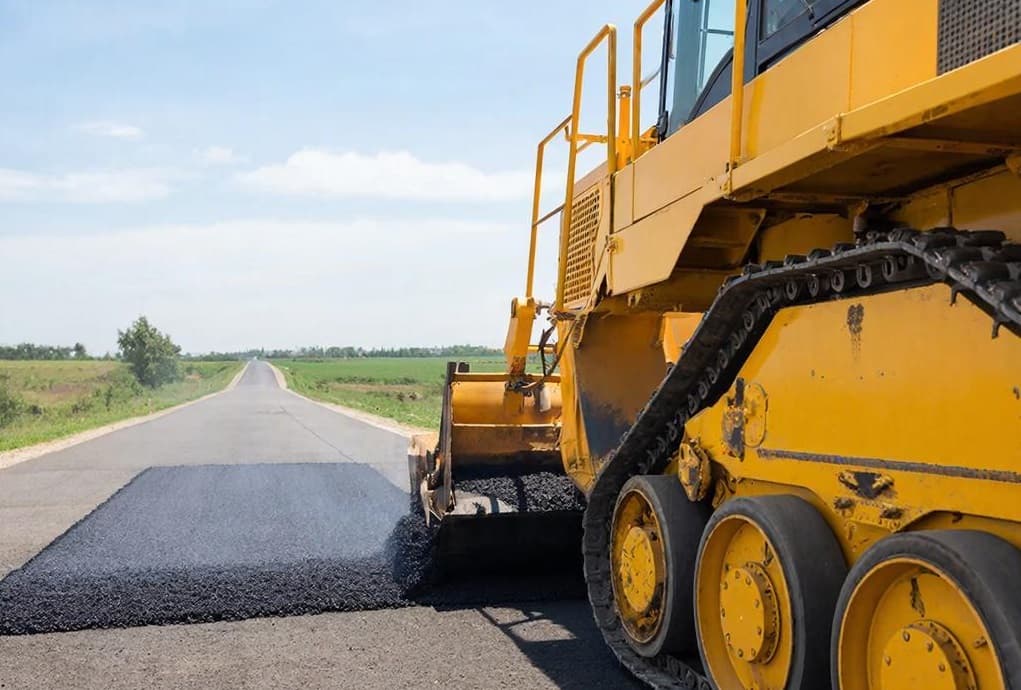
Experts are working in several directions, including the development of an algorithm for scheduling repairs. According to Tiraturyan, major repairs of the road surface should be carried out not once every 12-24 years, as required by the standard, but depending on its actual condition.
Somewhere, repairs may not be needed by the deadline, and somewhere the destruction is more intense and more frequent work is needed in order to avoid large financial investments.
In world practice, there is the concept of "object lifecycle management", but different countries approach it in their own way. DSTU wants to create a similar concept based on diagnostic data from previous years.
With this method, it is possible to predict changes in road conditions and plan repairs. This method will allow for more efficient use of budget funds.
Read more materials on the topic:
- Artificial Intelligence Will Find Superconductors: Russian Scientists Develop New Approach
- Artificial Intelligence vs Immature Intellect: Russian schoolchildren will begin to be taught how to work with neural networks
- Neuro-investigator on guard: The Investigative Committee of Russia is actively introducing artificial intelligence to speed up work
Never miss our newsAdd this site to your preferred sources to see us more oftenAdd on Google