Translated with AI from the Russian original.
Financial Times described a mechanism for cross-border transfers from Russia that has enabled up to 19% of foreign trade operations and turnover of more than $100 billion despite EU and US sanctions. Payment agent A7 uses a scheme comparable to a "game of Monopoly" to carry out these operations.

According to Financial Times, A7 uses bills of exchange based on the A7A5 token, which represents a digital currency pegged to the Russian ruble. Each bill is equipped with ultraviolet markings and a QR code, making it easy to verify its authenticity. Holders of these bills can exchange them for rubles at A7 offices located in Russia or for foreign currency outside the country. Analytics firm Elliptic reported that 2,300 bills were exchanged for A7A5 tokens for a total of $8.6 million. At the same time, according to FT estimates, the total volume of operations involving the A7A5 stablecoin exceeded $100 billion.
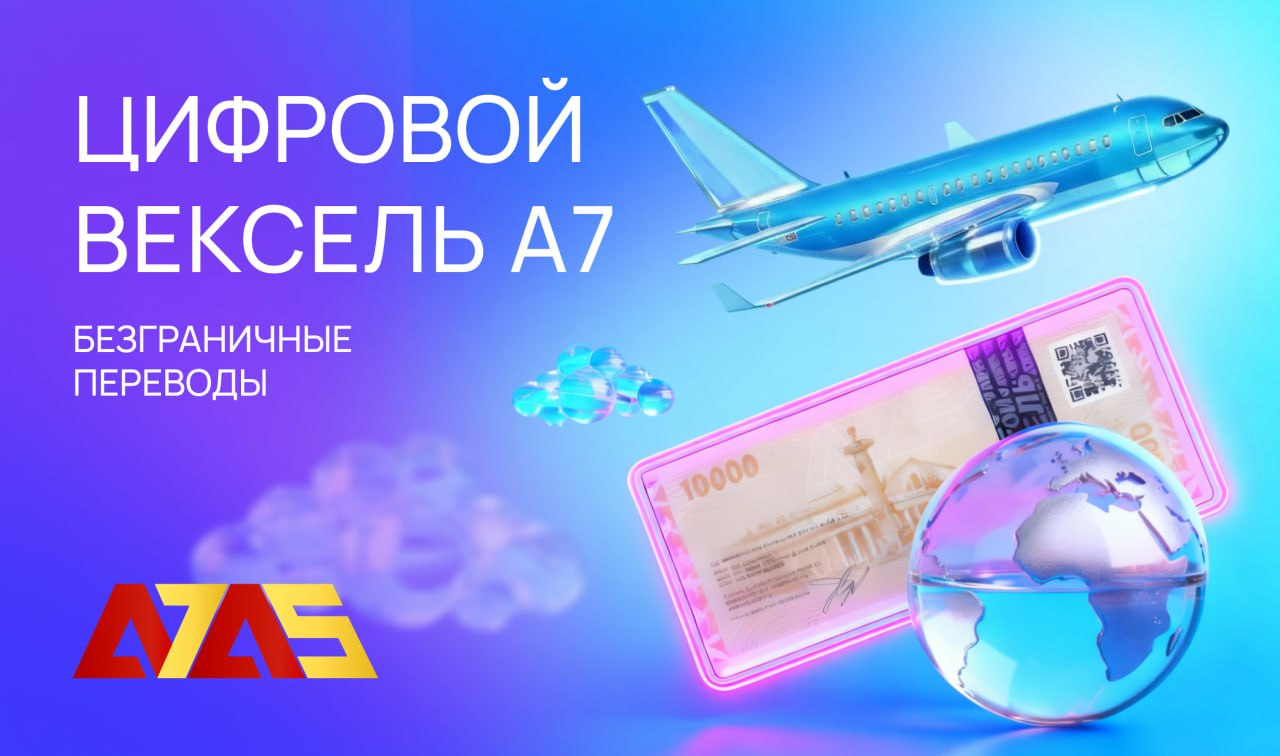
FT itself calls the A7 bills of exchange "colorful stylized banknotes" and writes: "It looks like money from 'Monopoly.'"
The A7 international payments platform was launched in 2024. The system belongs to the company "A7-agent," which is managed by a businessman from Moldova named Ilan Shor. A7 helps send money to any country in the world. The transfer fee is only 0.3%. The A7 website states that the main currencies it works with are yuan, US dollars, euros, and UAE dirhams. However, if needed, the platform can also process payments in other currencies, although this may require additional work.
A7's share in foreign trade and expert assessments
Promsvyazbank, which owns a stake in A7, reported that in the first six months of 2025 more than 7.5 trillion rubles passed through the platform. That is approximately $98 billion. By December 2025, A7 accounted for nearly 19% of all deals by Russian companies with other countries, Financial Times writes.
It is difficult to verify these figures, but they appear plausible, says Centre for Information Resilience senior researcher Eliza Thomas.
They are building a very complex plane and flying it very fast.
A7 says that its cross-border transfers do not depend on the SWIFT system, but it does not disclose details of its settlement mechanism. According to information from TRM Labs provided to Financial Times, some of these operations pass through intermediary cryptocurrency wallets. TRM Labs estimates the total volume of such transactions at $56 billion and more.
Sanctions and expansion plans
A7 had previously announced plans to expand its platform. In an interview with "Kommersant," Ilan Shor said he intended to enter the markets of twenty countries, including states in Latin America and Africa. He also mentioned the possibility of operating in Europe and the United States.
Since July 2025, the A7 platform has been under sanctions from the European Union due to suspicions of close ties with Moscow. In August of the same year, the United States introduced similar restrictions.
Read more materials on the topic:
- Nigeria and Zimbabwe joined the Russian financial platform A7
- Despite sanctions: PSB subsidiary A7 processed payments worth 7.5 trillion rubles in the first half of 2025
- The Central Bank may ease rules for the use of cryptocurrency in Russia
Never miss our newsAdd this site to your preferred sources to see us more oftenAdd on Google

















