Translated with AI from the Russian original.
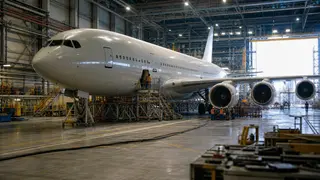
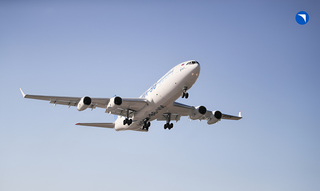
A new vortex generator for future supersonic aircraft has been devised in Russia. The proposal is aimed at reducing aerodynamic drag at supersonic speeds while preserving lift during takeoff and landing.
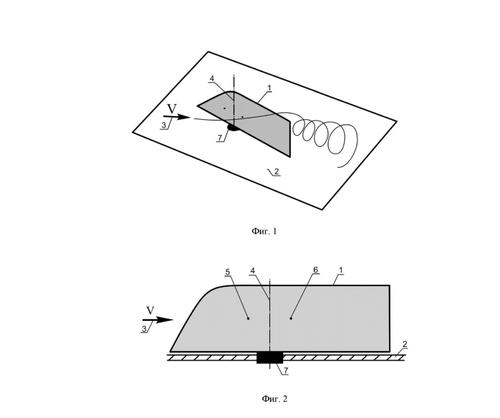
Engineers proposed making the generator in the form of a flat plate mounted vertically on the wing surface. The design allows the plate to automatically change its position under the influence of the airflow.
The axis of rotation is located between the centers of pressure in subsonic and supersonic flight modes. This allows the device to adapt to changes in speed.
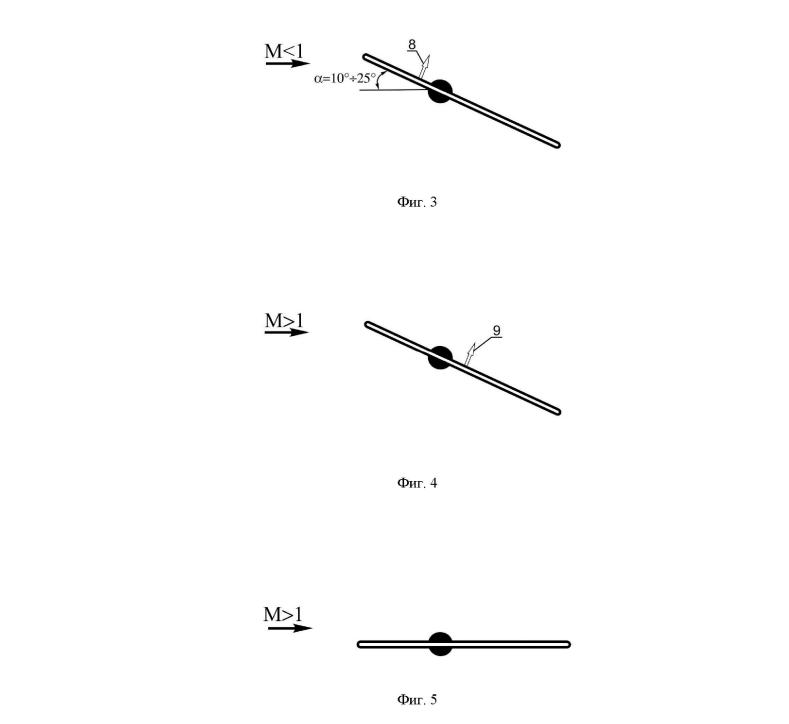
In subsonic and takeoff-and-landing modes, the plate deflects from the flow at an angle of 10 to 25 degrees. In this position, it forms vortices that stabilize the boundary layer and increase the wing's lift.
The use of the proposed vortex generator will make it possible to reduce aerodynamic drag values, the project authors note.
When transitioning to supersonic mode, the center of pressure shifts, and the plate turns along the flow. As a result, the generator practically stops affecting aerodynamics and does not create unnecessary drag.
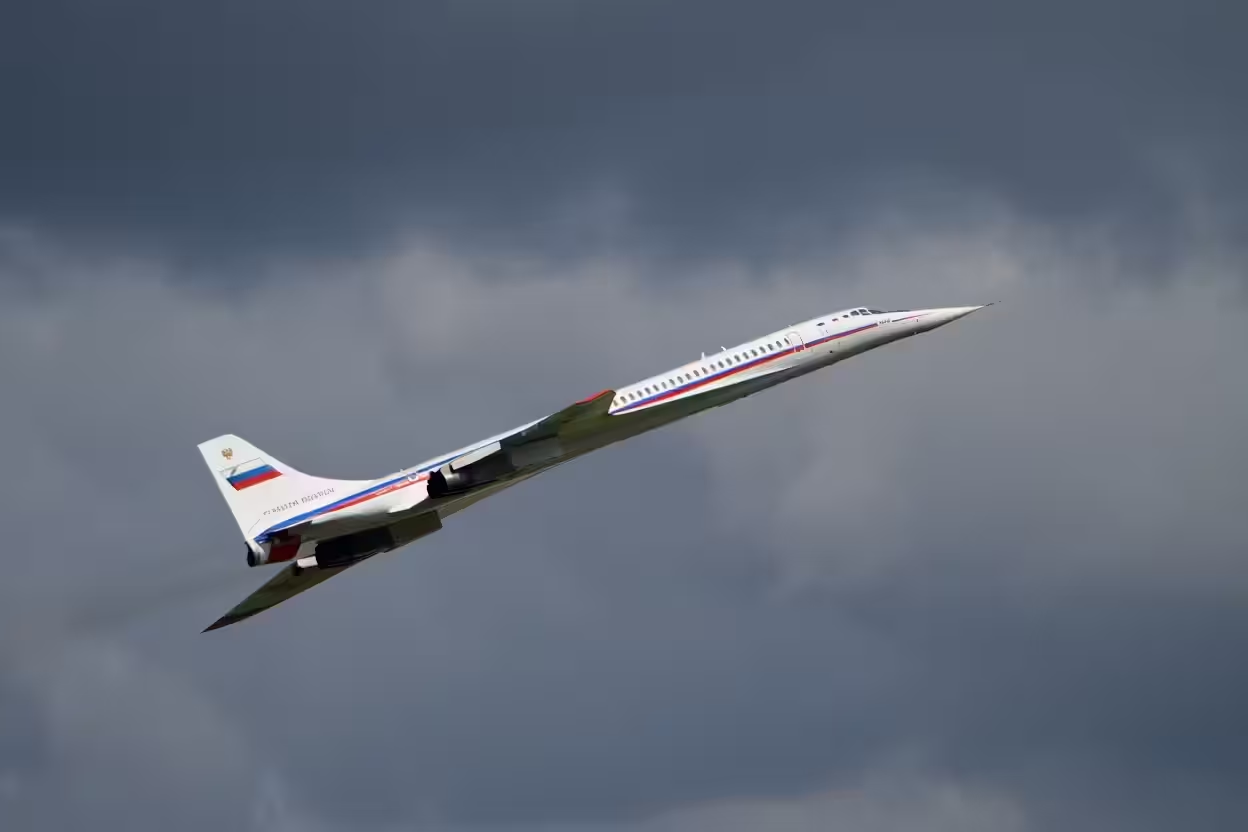
Andrei Kozlov, Director General of the Baranov Central Institute of Aviation Motors (CIAM), predicted that the first supersonic aircraft in Russia may appear no earlier than the 2040s. He also stated that Russia is three years ahead of the United States in work on an engine for supersonic civil aviation.
Read more materials on the topic:
- "Dark cockpit," cameras, and AI: details of the supersonic aircraft in Russia revealed
Never miss our newsAdd this site to your preferred sources to see us more oftenAdd on Google










Comments (2)