Translated with AI from the Russian original.
With the growing popularity of online commerce, fraudulent schemes on marketplaces are becoming increasingly sophisticated. Fake track numbers, fake stores, neural network reviews, and hidden surcharges - all these are traps that thousands of buyers fall into every day. Experts from the Russian cyber police (UBC of the Ministry of Internal Affairs) explained how to recognize fraud and save money.
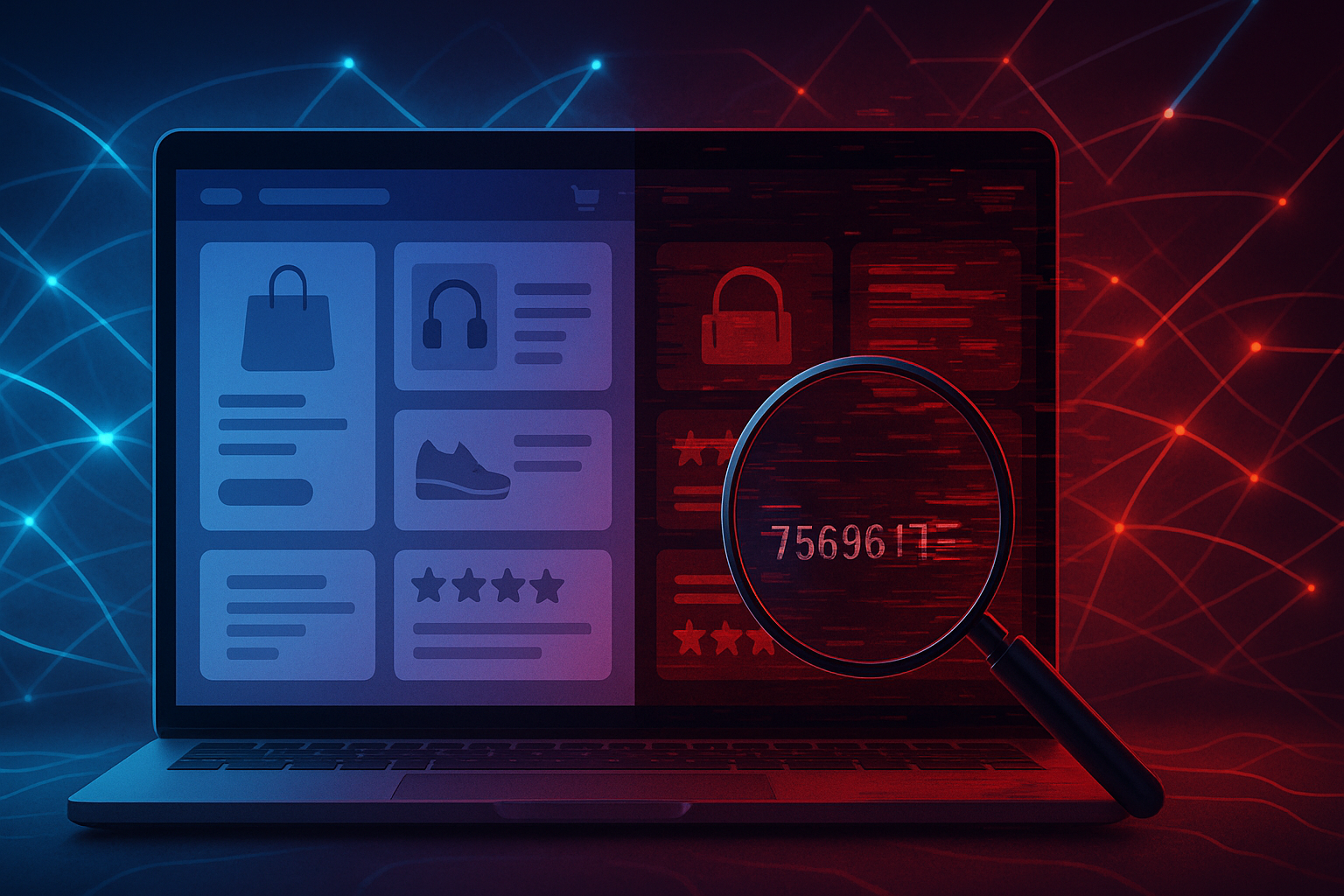
Today, attackers are actively using fake "mirrors" of popular platforms and even creating neural network reviews to give their pages the appearance of trust.
One of the main signs of deception is a mismatch in the track number. Experts advise checking it not only in the marketplace itself, but also on third-party services, such as Russian Post or Cainiao. If the delivery status is not updated or differs from that specified in the order, you are most likely dealing with a fake.
It is worth carefully studying reviews. Suspiciously identical photos, new accounts without a purchase history, and exclusively positive comments often mean that the seller is using cheating. You can check the authenticity of a photo through a reverse image search - often the photos are taken from other sites.
It is equally important to read the product description to the end: at the bottom of the text, they often hide a clarification about a "replica" or a reduced configuration. You should also carefully check the page address - even one extra letter in the URL can lead to a fake site disguised as an official store.
If a problem does arise, open a dispute with the seller and collect evidence: photos, unpacking videos, correspondence, and a description of the product. The more arguments, the higher the chance of getting your money back.
Read more materials on the topic:
- Discounts "tie": marketplaces can compete with ordinary banks
- Marketplaces in Russia want to ban investing in discounts
- Ozon and Wildberries made it into the top 10 marketplaces in the world
Never miss our newsAdd this site to your preferred sources to see us more oftenAdd on Google

















