Engineers at the Moscow Aviation Institute (MAI) have developed new computer modeling methods to predict and prevent one of the most dangerous conditions in helicopter flight - the "vortex ring state." This aerodynamic anomaly often causes accidents and disasters, according to the MAI press service.
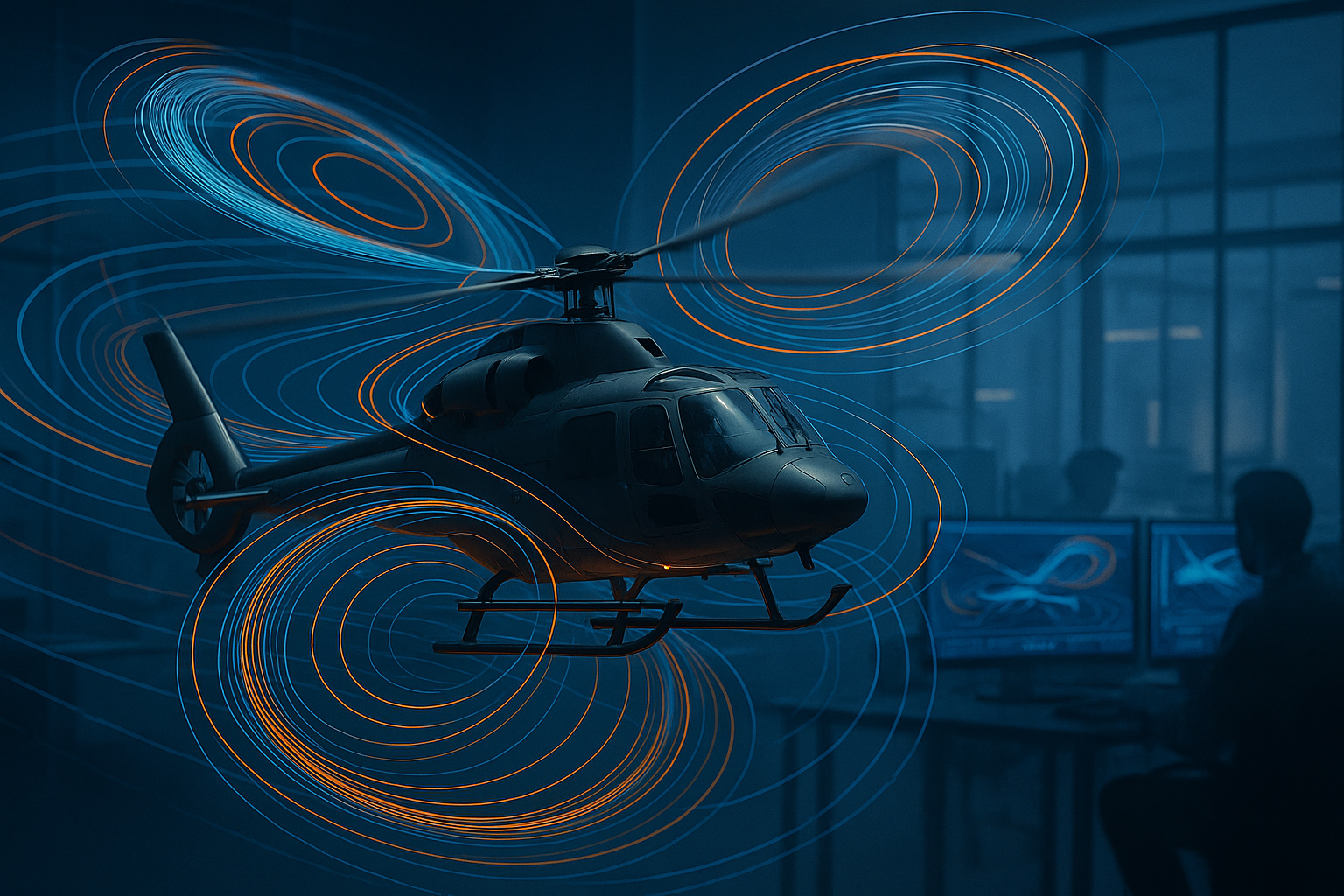
The institute's specialists have created two complementary technologies. The first is a numerical simulation method for the aerodynamics of rotor blades, which allows for quick and accurate calculation of flow parameters in critical modes. The second method determines the boundaries of the area where a "vortex ring state" can occur, taking into account the specific type of rotor. This individualized approach ensures maximum forecast accuracy and helps engineers identify dangerous scenarios in advance.
The results obtained are already being used to refine flight dynamics models in aviation simulators. This allows for correcting the helicopter's behavior in simulation and preparing pilots for actions in extreme situations. In addition, MAI plans to use the data in the development of new flight operation manuals.
The "vortex ring state" occurs during a steep descent of a helicopter with a vertical speed of about 6-10 m/s. The air thrown down by the blades collides with the oncoming flow and begins to circulate around the rotor. As a result, thrust drops sharply, engine power increases, strong vibrations appear, and controllability is lost. Without timely pilot response, this can lead to a catastrophe.
According to Pavel Makeev, a lecturer at the MAI Department of Helicopter Design, the new project summarizes many years of research and opens up new areas of work. Scientists are already preparing to expand the methods for analyzing the behavior of rotors of advanced high-speed helicopters, tiltrotor aircraft, and small unmanned aerial vehicles.
Read more materials on the topic:
- Aerodynamics - speed support: Belarusian engineers have created a drone with record low aerodynamic drag
- "Does size matter?": why a helicopter cannot develop the same speed as an airplane
- Russia has increased the production of materials for the aviation of the future: capacity has grown 2.4 times
Never miss our newsAdd this site to your preferred sources to see us more oftenAdd on Google