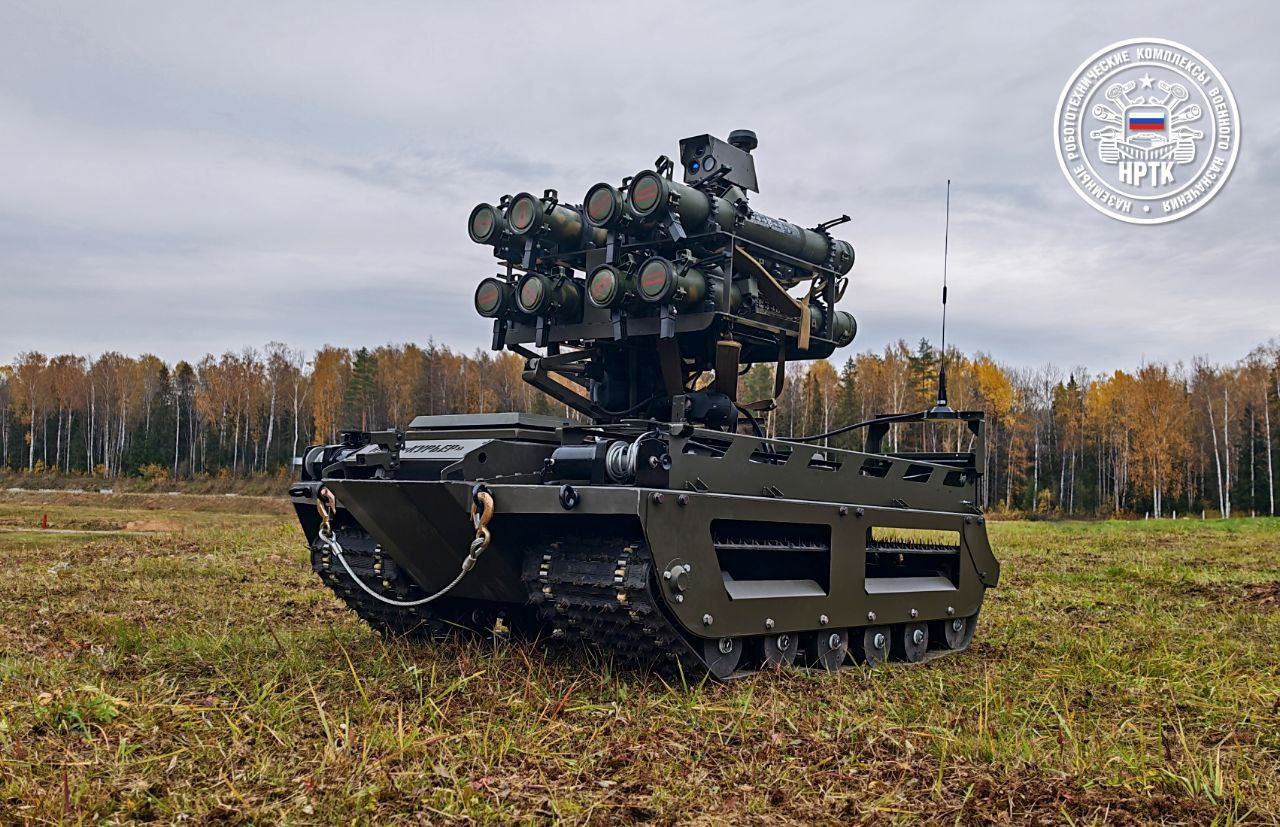
A test version of the so-called mini-"Solntsepyok" has been created for the Russian army - a combat module of reactive weapons for single use, installed on the basis of a ground robotic complex (GRK).
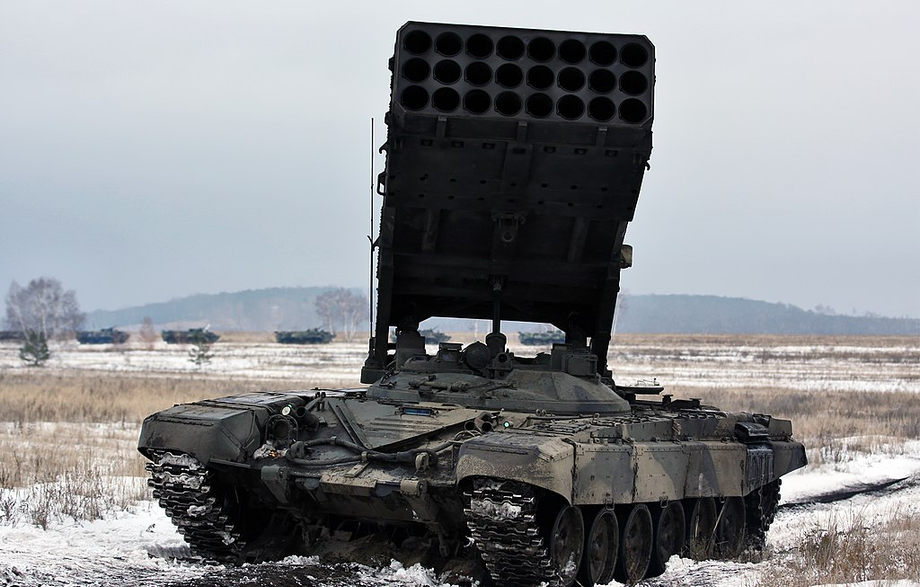
The new module uses a launching system for single-use reactive ammunition of the "Shmel" type, which distinguishes it from the heavy TOS-1A "Solntsepyok" installation with 220-mm thermobaric shells.
The developers expect that the reduced dimensions and remote control of the robot will reduce the risk to personnel when performing fire missions, including when the enemy affects the positions of heavy fire complexes. Over the past year, GRKs have been increasingly used in army practice, and mini-modules of this type are seen as a promising addition to existing systems.
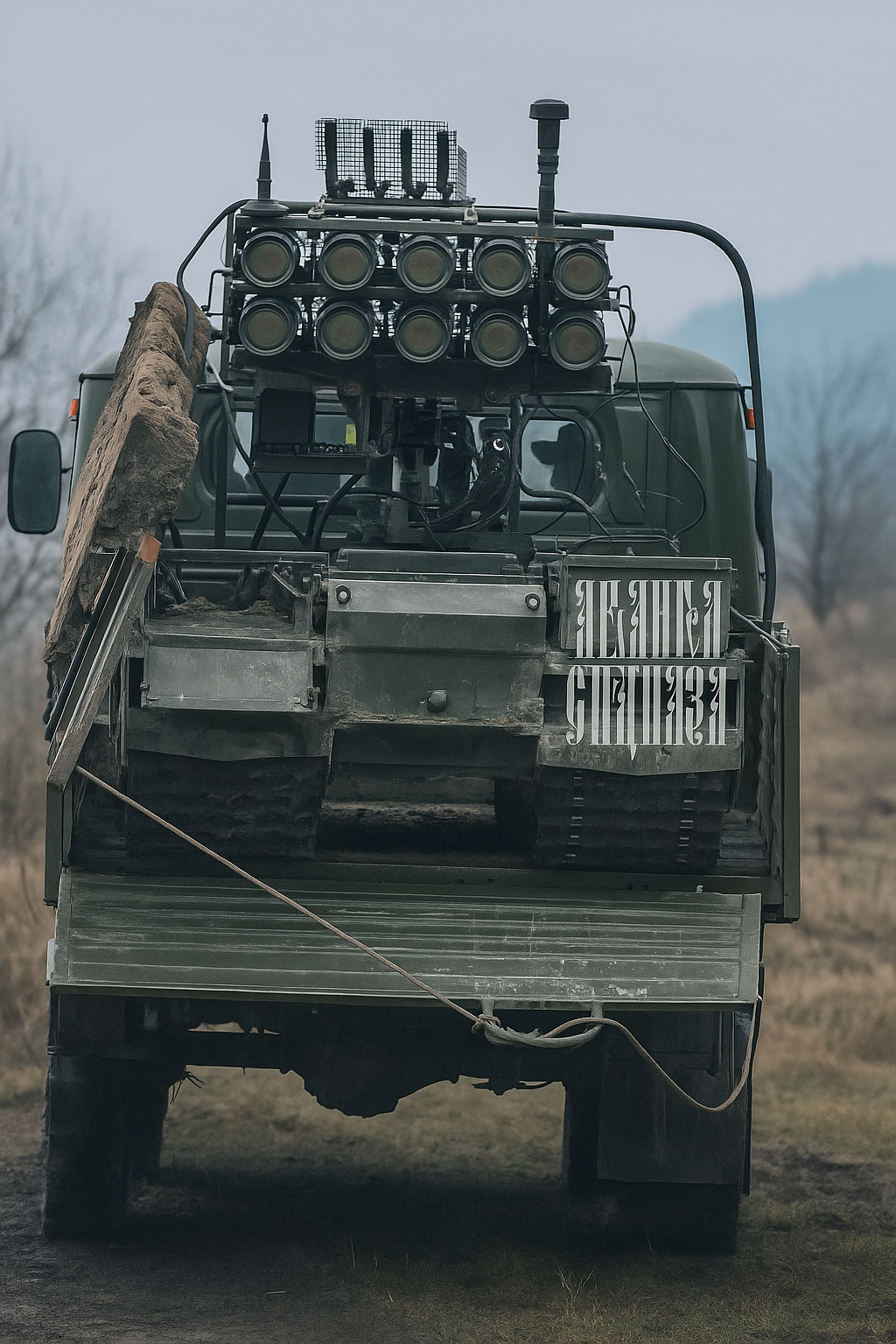
Experts draw attention to two key benefits: mobility and less vulnerability of the crew. Smaller robotic modules are easier to mask and maneuver, and the remote use of reactive ammunition reduces the need for people to be in the immediate danger zone.
At the same time, the development of unmanned aerial vehicles increases the threat to large-sized systems such as the TOS-1A, which makes autonomous and robotic solutions especially relevant for operations in conditions of high UAV activity.
Earlierwww1.rureported that UAC showed the armament compartments on the fifth-generation Su-57 fighter for the first time.
Read also:
Now on home

Start of deliveries scheduled for 2027

Over 51,000 new motorcycles were sold in Russia in 2025

The car will take at least a year to assemble

The application's audience has reached 20 million users

The model will be included in the list of cars for taxis, price - from 2.25 million rubles

All parking lots of the "Administrator of the Moscow Parking Space" are connected to the service

The cars will be supplied to the Moscow Transport Service Directorate

Deliveries to India may begin in 2028

The technology provides automated search for all types of defects in power units

The plane flew 500 km, accelerating to 425 km/h

The plant stated that the information about the termination of purchases for models 6 and 8 is not true

Scientists are using the "Ekran-M" installation