Russia has long exhausted its reserve of modern battle tanks and switched to obsolete combat vehicles. After the collapse of the USSR in 1991, the country had almost 64,000 tanks, although some of them were in storage. This is written by military expert Peter Suchiu in the article "What happened to all Russian tanks" for The National Interest.
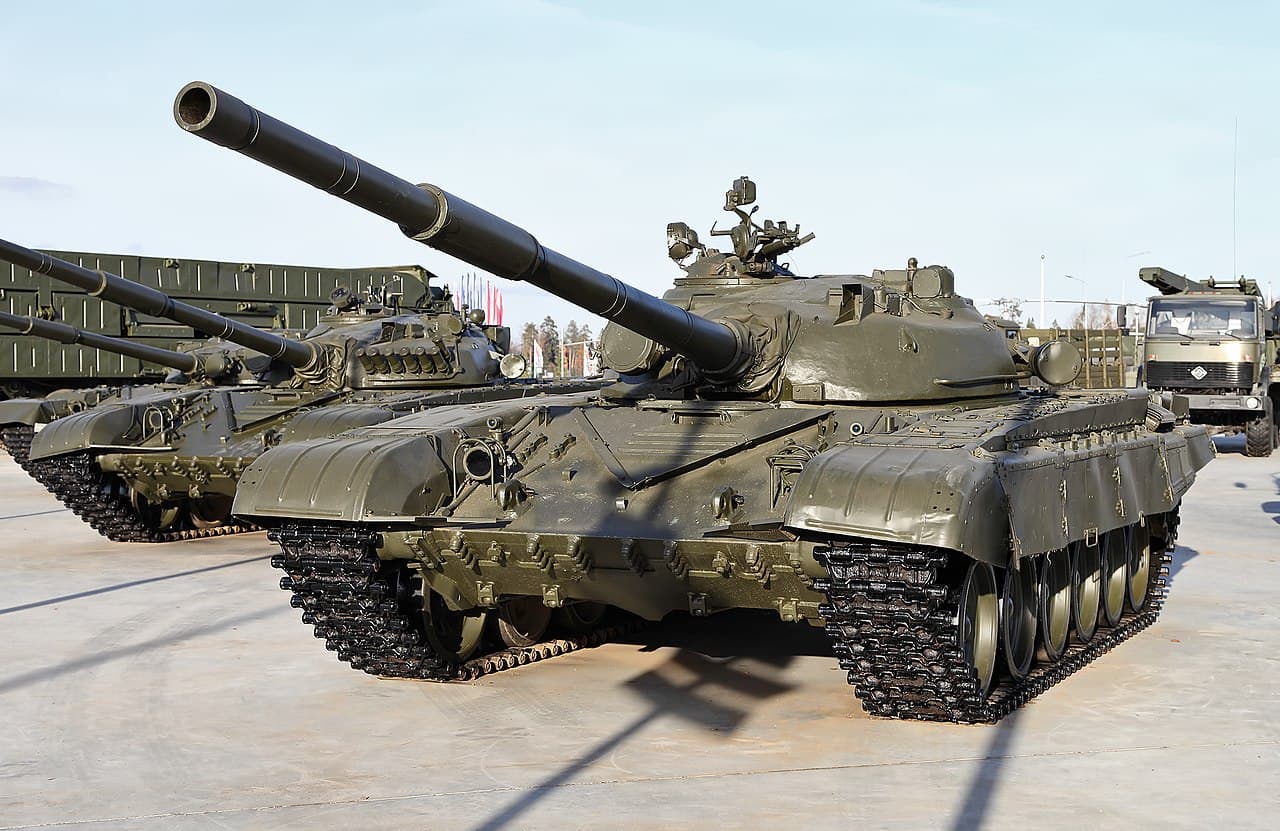
By 2020, the number of tanks had decreased to 12,000, which was twice as many as the United States. The Russians had T-72, T-80 and T-90, as well as about 7,300 Cold War-era tanks.
Suchiu claims that since 2022, Russia's tank fleet has decreased significantly. If earlier tank reserves were stored at 24 bases, now there are only 9 such facilities left, he added.
According to OSINT intelligence (collecting information from open sources), 2,887 tanks are in storage in the Russian Federation. Less than 100 of the total number of tanks are T-80s, the rest are obsolete Soviet T-62, T-64 and T-72s. At the same time, more than half of them are in very poor condition and only a quarter are suitable for use.
Russia has not yet been able to solve the problem of tank shortages due to production difficulties. Probably, the Russians"will continue to repair tanks that other countries would send to the dump," the expert summarized.
The Russian Ministry of Defense does not disclose the number of armored vehicles in service. However, the main tank manufacturer, UVZ, regularly sends new and modernized combat vehicles to the troops, including the Т-80BVM.
Read more materials on the topic:
Now on home

The platform increased user traffic and expanded its infrastructure

The domestic company announced a D-class model in its plans for 2026
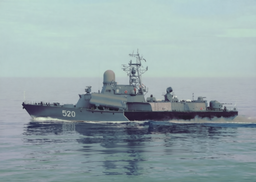
Comprehensive training of the crew of the MRK Project 1234.1 included the destruction of high-speed small-sized targets against the background of modern challenges of naval warfare
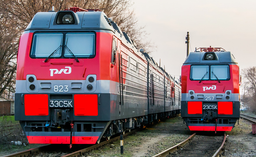
The shift norm now covers the assembly of nine engines instead of seven
Rocket launch postponed - it was planned for 2030
Key innovative solution - the use of a modular block architecture
The train will not become a mass product in Russia
Now the rockets will be fully assembled in Omsk
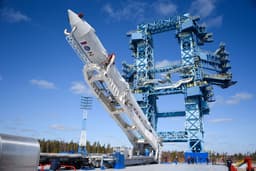
The first launch of the rocket will take place no earlier than 2035

Testing of the key component of the traction transformer will begin in April 2026
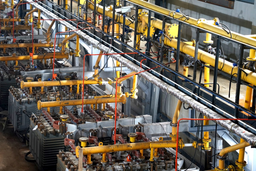
New fluorine production capabilities eliminate technological risks in the uranium transformation stage before enrichment in centrifuges