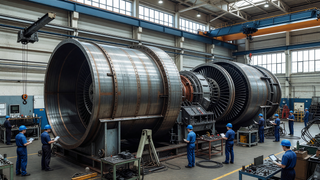
Specialists from the Mayak Production Association (Ozersk, Chelyabinsk Region) launched the EP-250/6 furnace for processing (vitrification) radioactive waste, the Rosatom press service reported.
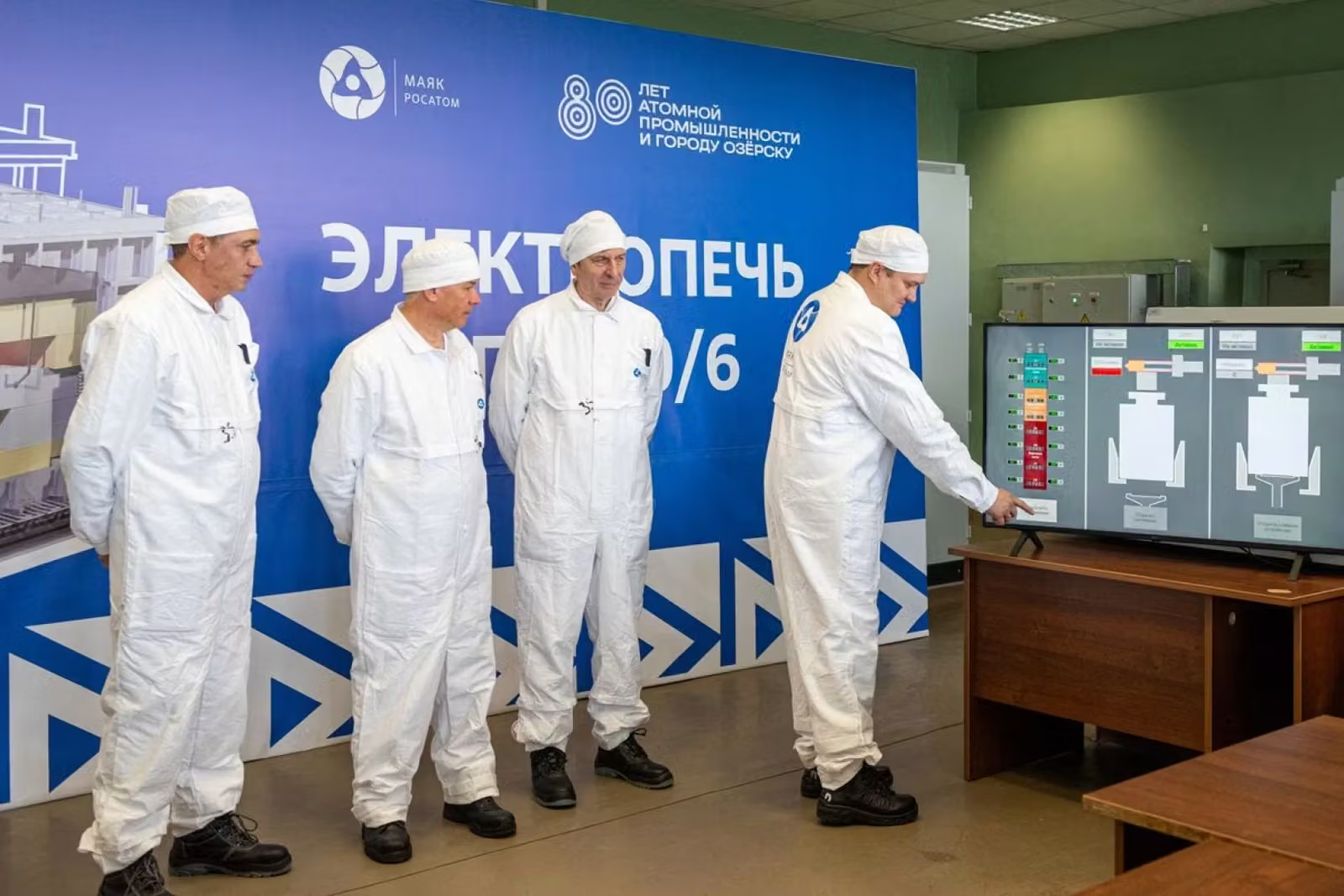
Rosatom Head Alexey Likhachev participated in the technological launch ceremony of the furnace via video link. He recalled that Russia is developing a closed nuclear fuel cycle system. The EP-250/6 furnace, created at PO Mayak, is part of this ambitious program, Likhachev emphasized.
Our most important task is the most complete processing of spent nuclear fuel (SNF). We extract all useful substances from it, put them into secondary circulation, and reliably store everything that cannot be used.
How does Russia handle nuclear waste?
Russia has accumulated about 30 thousand tons of spent nuclear fuel (SNF). Rosatom is dealing with issues related to its processing.
Nuclear scientists extract uranium and plutonium from SNF, returning them to the fuel cycle. Only 4% of the mass of spent nuclear fuel is waste itself, which is vitrified.
Vitrification is the most efficient and environmentally friendly way of handling high-level waste. In the EP-250/6 furnace, they will be converted into solid, stable borosilicate glass, which can be safely buried in specialized landfills ("graveyards").
Read more on the topic:
- "Vizus" sound vision system for safety control in the BN-800 reactor tested at Beloyarsk NPP
- The threat to nuclear safety exists: the ZNPP spoke about the current situation
- The fate of American nuclear fuel at the Zaporozhye NPP may be decided during negotiations in Alaska
Never miss our newsAdd this site to your preferred sources to see us more oftenAdd on Google