Translated with AI from the Russian original.
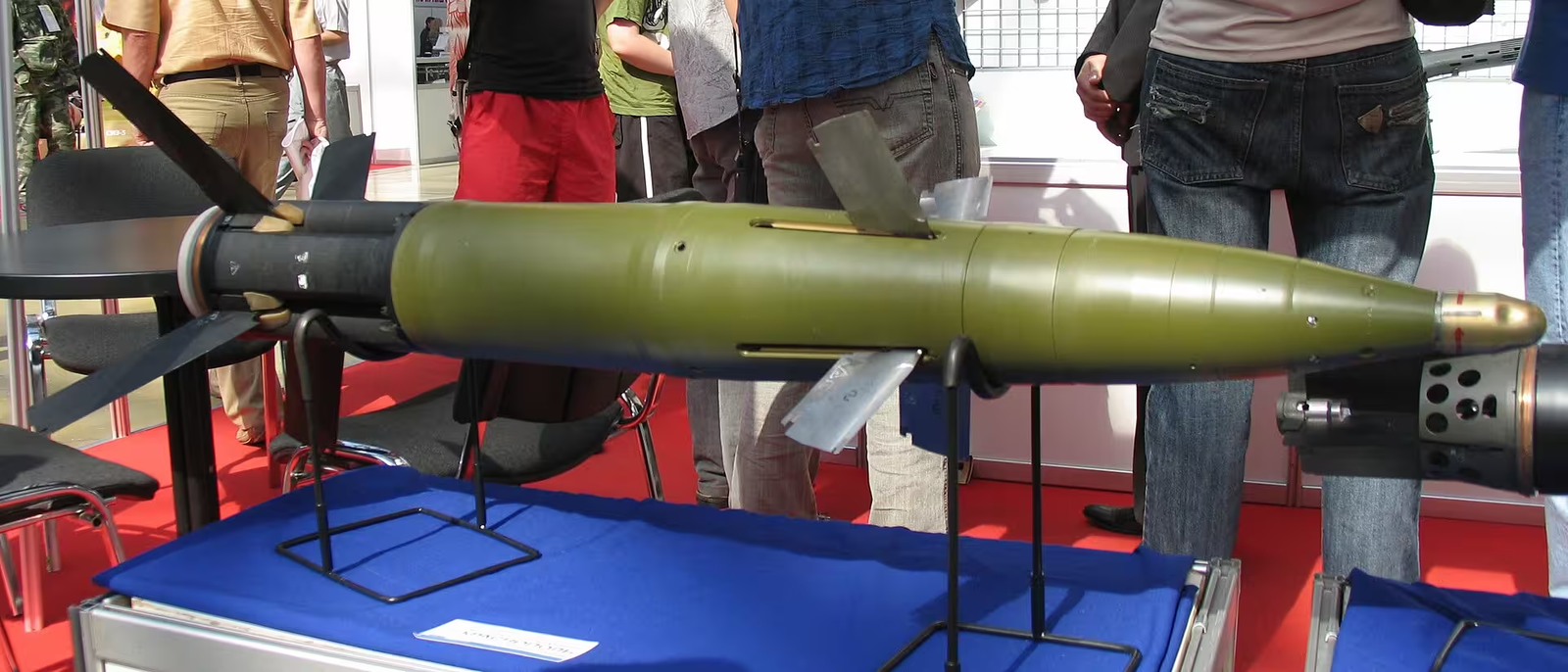
The Russian guided projectile "Krasnopol" for "Msta-S" howitzers surpassed Western counterparts in accuracy. The use of ammunition allows to turn self-propelled guns and towed howitzers from means of area suppression into a tool for pinpoint destruction, Rostec said.
The state corporation noted that the cross-country ability and mobility of the "Msta-S" allow it to move quickly, deploy in position, fire and leave.
Together with high automation, this allows the crew to complete a combat mission in 2–3 minutes.
Rostec enterprises have increased the production of guided ammunition "Krasnopol" many times over. At the same time, the use of guided projectiles, in turn, reduces the consumption of conventional ammunition many times over.

The system consists of a guided high-explosive fragmentation projectile caliber 152 mm and a laser target designator rangefinder for guidance. The projectile is compatible with a wide range of artillery pieces, including self-propelled howitzers "Msta-S", "Msta-SM", "Malva" and "Hyacinth-K".
Earlier it was reported that against the manufacturer of Krasnopol missiles and Pantsir-M air defense systems a claim for 86.2 million rubles was again filed.
Read more materials on the topic:
- Sniper duet: high-precision Krasnopol projectiles combined with Orlan-30 scouts
- Repeatedly destroyed Leopard and Abrams: the Krasnopol projectile became the terror of Western tanks
- The accuracy of "Krasnopol-M2" thanks to illumination from the Orlan-30 UAV reached 100%
Never miss our newsAdd this site to your preferred sources to see us more oftenAdd on Google

















