A rare 1979 VAZ-2103 is up for sale in Tambov, with a price tag reaching two million rubles - a truly impressive sum. A distinctive feature of the car is its interior, finished in brown leatherette. The technical equipment includes a 1.3-liter engine with 69 horsepower and a 4-speed manual transmission. According to the readings, the car's mileage is quite low - only 13,437 kilometers.
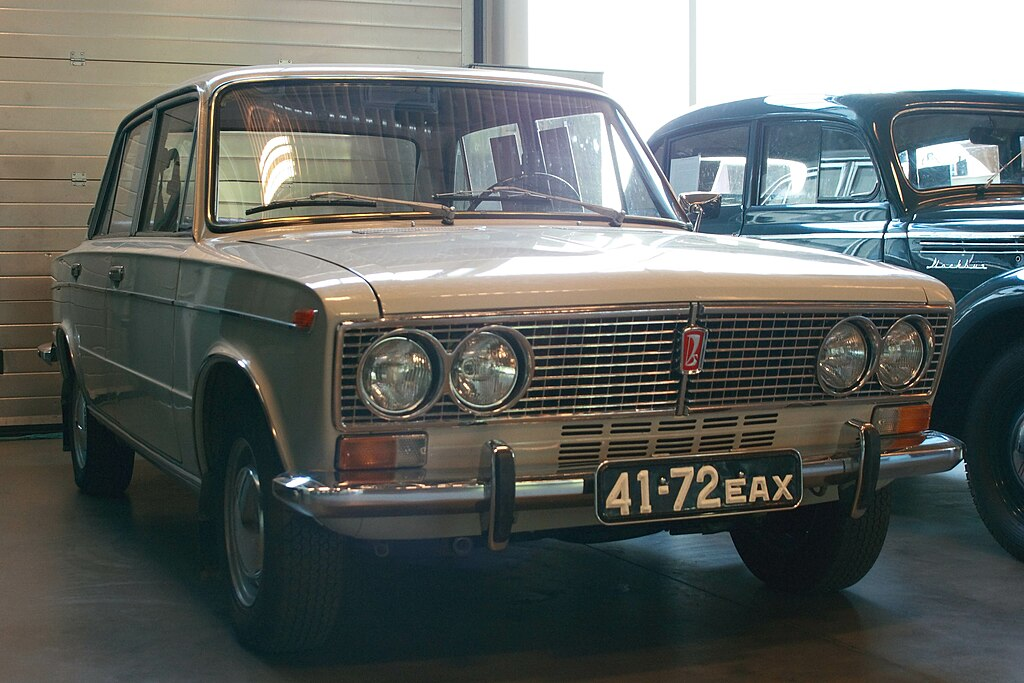
According to the seller, the car is a collector's item because the body and interior have been preserved in perfect condition.
The VAZ-2103 was positioned as a more prestigious model of the Soviet automotive industry, developed on the basis of the Fiat 125, unlike the VAZ-2101, which was based on the Fiat 124. In the seventies, the VAZ-2103 was widely in demand and sold for 7,500 rubles, which was two thousand more than the cost of the basic version.
The "Troika", as its owners affectionately called it, was a symbol of status and prosperity. Acquiring such a car was considered a great success, as demand for it significantly exceeded supply. Queues for the VAZ-2103 stretched for years, and people often resorted to connections or overpaid speculators to get the desired car.
Earlier, www1.ru reported that acivilian heavy-duty truck "Ural NEXT" has been prepared for service in the Russian army.
Read more materials:
Now on home

Start of deliveries scheduled for 2027

Over 51,000 new motorcycles were sold in Russia in 2025

The car will take at least a year to assemble

The application's audience has reached 20 million users

The model will be included in the list of cars for taxis, price - from 2.25 million rubles

All parking lots of the "Administrator of the Moscow Parking Space" are connected to the service

The cars will be supplied to the Moscow Transport Service Directorate
Deliveries to India may begin in 2028
The technology provides automated search for all types of defects in power units

The plane flew 500 km, accelerating to 425 km/h

The plant stated that the information about the termination of purchases for models 6 and 8 is not true
Scientists are using the "Ekran-M" installation