The unique Russian multipurpose fast research reactor (MBIR), being built in Dimitrovgrad, will become a platform for scientists from 15 countries, Rosatom reported.
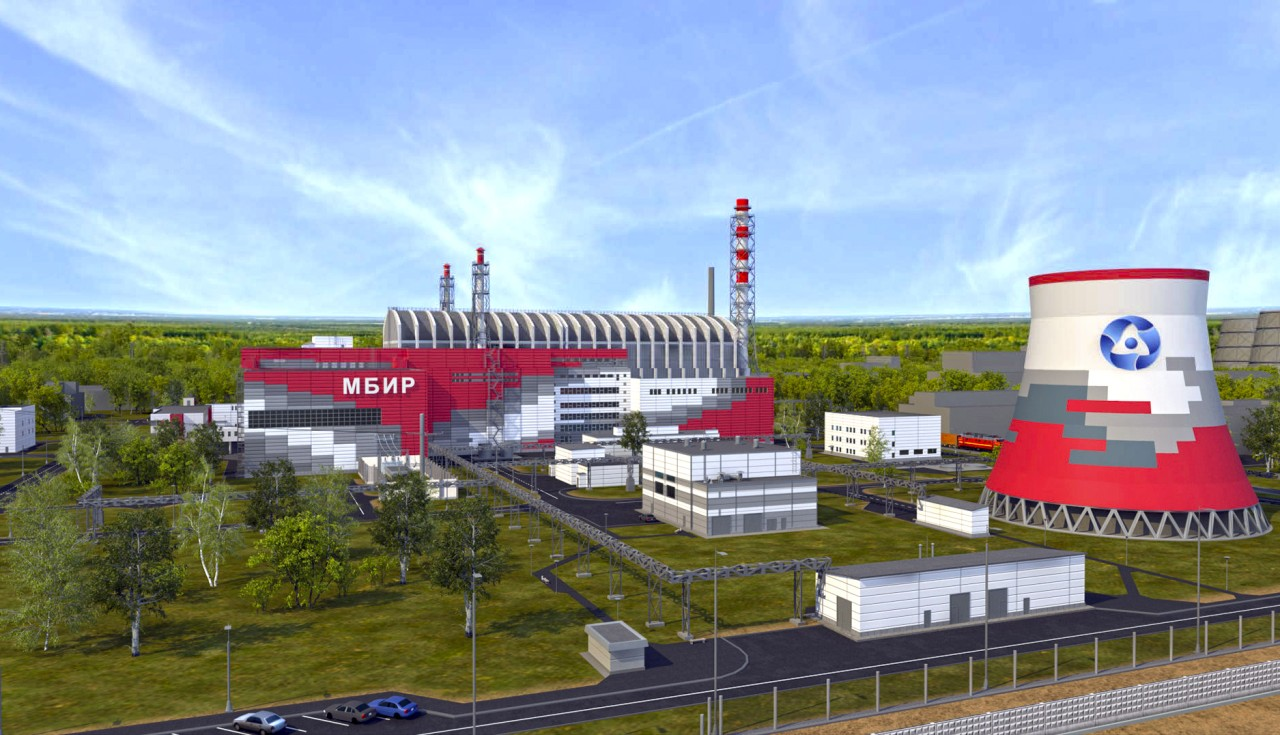
The creation of an international research center is an important step in the development of fundamental science and applied research. The joint work of scientists from different countries will allow us to solve global scientific problems, develop new areas of research and create innovative technologies.
The MBIR is scheduled to be commissioned in 2028 and will become the most powerful research reactor in the world. The unique capabilities of this reactor are designed to develop nuclear energy technologies of the future. With its help, scientists will be able to accelerate and substantiate the creation of safe fourth-generation energy systems.
The reactor is designed for conducting reactor and post-reactor tests, as well as developing advanced technologies and materials in the field of nuclear energy.
Some MBIR characteristics:
- reactor type — fast neutron;
- thermal power — 150 megawatts;
- electrical power — 55 megawatts;
- fuel — mixed uranium-plutonium oxide.
Read more materials:
- Bakanov's Plan: Head of Roscosmos announced that in the next 10 years Russia will build and launch about 300 rockets
- Doubling the production of solar battery elements for the space industry is planned at the Krasnodar enterprise "Saturn"
- A plant for the production of reinforcing steel was opened in Kamchatka: it could potentially reduce the cost per square meter of housing in the region
Now on home

Start of deliveries scheduled for 2027

Over 51,000 new motorcycles were sold in Russia in 2025

The car will take at least a year to assemble

The application's audience has reached 20 million users

The model will be included in the list of cars for taxis, price - from 2.25 million rubles

All parking lots of the "Administrator of the Moscow Parking Space" are connected to the service

The cars will be supplied to the Moscow Transport Service Directorate

Deliveries to India may begin in 2028

The technology provides automated search for all types of defects in power units

The plane flew 500 km, accelerating to 425 km/h

The plant stated that the information about the termination of purchases for models 6 and 8 is not true

Scientists are using the "Ekran-M" installation