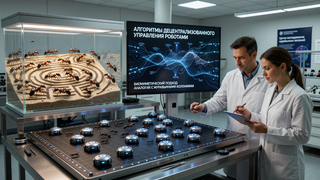
Neiry's subsidiary, "NeuroHorns," has completed the second phase of an experiment to implant neurostimulators into the brains of cows. Five cows were operated on. All animals survived, and the procedure took about 30 minutes.
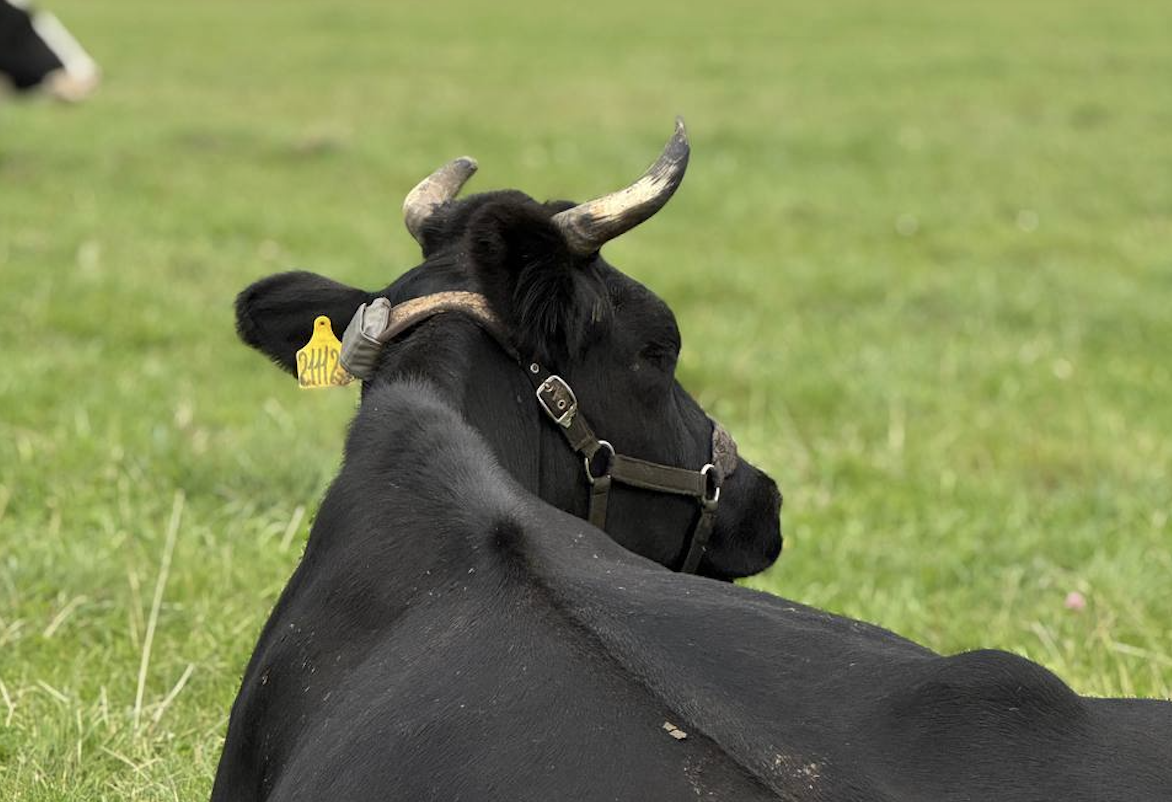
Neurostimulation is aimed at improving the health and activity of animals: improving appetite, reducing stress and increasing milk yield. According to preliminary data, the technology helps to steadily increase milk yield. The experiment was carried out in a mobile neurosurgical operating room developed by NeuroHorns. The equipment allows procedures to be carried out without significant changes to the infrastructure of farms.
During the operations, the cows remained conscious and did not experience discomfort. After the electrodes were installed, the animals quickly returned to their normal lives on the farm. The implants are fixed on the back of the head, and the electrodes penetrate into the areas of the brain responsible for appetite, stress and reproductive function. The system selects stimulation modes automatically, for example, to restore appetite when it decreases.
In the future, the company plans to reduce the implantation time so that the procedure can be performed by veterinarians on site.
Read more materials on the topic:
Neuroimplants for cows: Russian startup Neiry seeks to increase milk yield
Fighting depression and stress: Russian company Neiry has created headphones to improve mood
Never miss our newsAdd this site to your preferred sources to see us more oftenAdd on Google