Scientists from Perm Polytechnic University have created a building material from phosphogypsum that is resistant to moisture and mold. The development, published in thejournal "PNRPU Bulletin. Applied Ecology. Urban Development," allows for the recycling of industrial waste into durable building products.
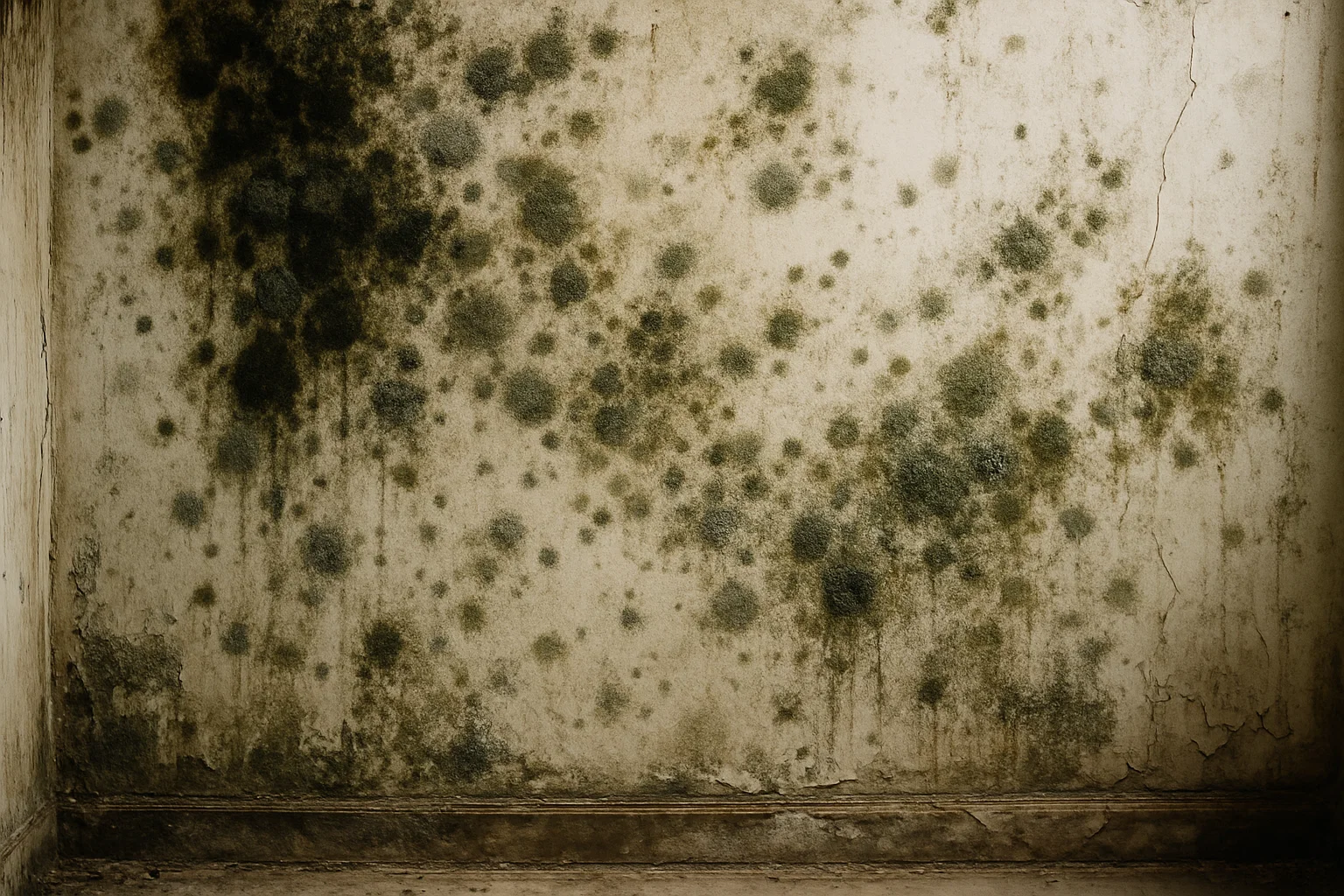
The development includes additives such as the pore-forming agent IA 1215 and calcium-containing carbonates, which give the material a slightly alkaline environment (pH 8.0) unfavorable to mold. The technology allows reducing the volume of phosphogypsum storage, accumulated in Russia over 140 million tons, and increasing the service life of building products by more than two times compared to analogues.
Phosphogypsum is a byproduct of phosphoric acid production; about 14 million tons of it are generated annually in Russia, but only 15% is recycled. The new material, reinforced with organomineral additives, retains its strength at humidity up to 85% and resists biocorrosion. Tests have shown that modified samples are practically unaffected by mold even under high humidity and a temperature of 30°C. For comparison, ordinary gypsum collapses at 60-65% humidity.
Mold is a common problem in residential buildings, causing allergies and respiratory diseases. It arises from high humidity in poorly ventilated rooms, such as bathrooms and kitchens, where traditional materials like drywall and wallpaper become a breeding ground for fungi. The new material is suitable for the production of blocks, panels, and plaster, especially for rooms with high humidity.
Read more materials on the topic:
Optical fiber helped PNRPU scientists detect a cockroach by sound
Never miss our newsAdd this site to your preferred sources to see us more oftenAdd on Google

















