Translated with AI from the Russian original.
Russian Railways has begun field tests of an on-board safety system created specifically for future high-speed railways. The Smolensk — Krasny Bor section was chosen as a test site, where a prototype of the Russian train traffic control system is deployed. To test the technologies in real conditions, one of the "Sapsan" trains was temporarily relocated from St. Petersburg.
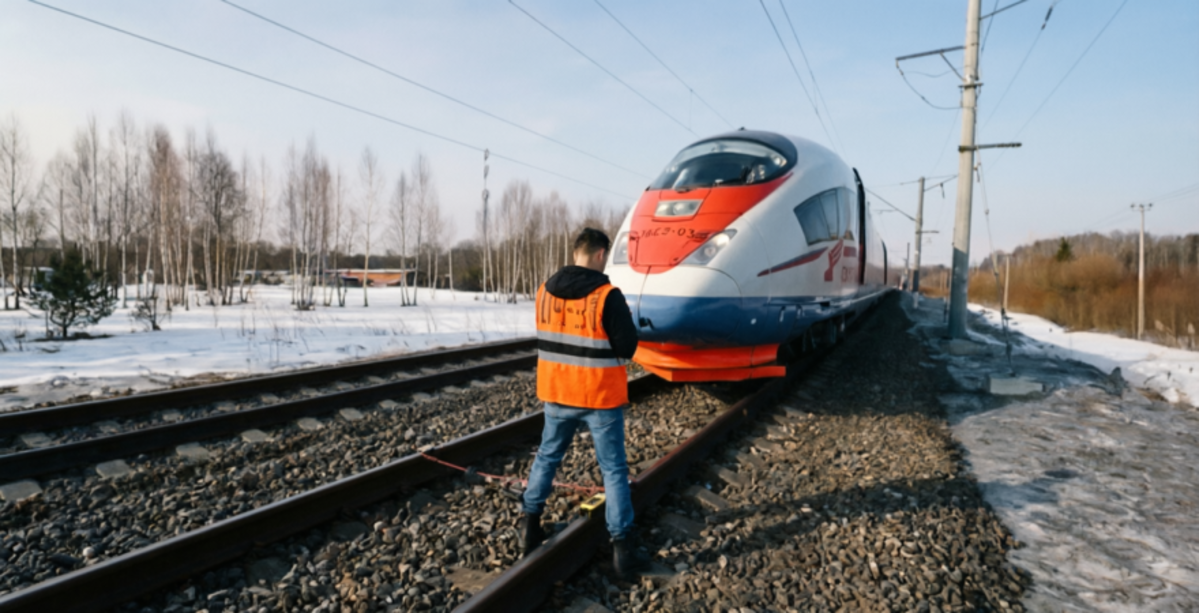
The development, designated SOB-400A, was prepared by specialists from NIIAS. The complex consists of approximately ten interconnected modules that are mounted directly in the cabin and technical compartments of the train. The main advantage of the new product is receiving movement data from the infrastructure via two frequency channels simultaneously. This allows the system to more accurately determine the location of the train and maintain safe intervals even at speeds exceeding 250 km/h.
Currently, engineers are analyzing how the on-board system interacts with the ground equipment of the RSTDCS. Following the results of this stage, it is planned to move on to testing on the basis of a new high-speed train, where not only safety but also the auto-driving function will be tested — the ability of the train to automatically maintain a given mode of movement.
Read more on the topic:
Never miss our newsAdd this site to your preferred sources to see us more oftenAdd on Google

















