Scientists from TSUAB have developed a new composition for 3D printing of houses up to seven meters high. Structures created with its help are not inferior in strength and rigidity to those made of traditional materials.
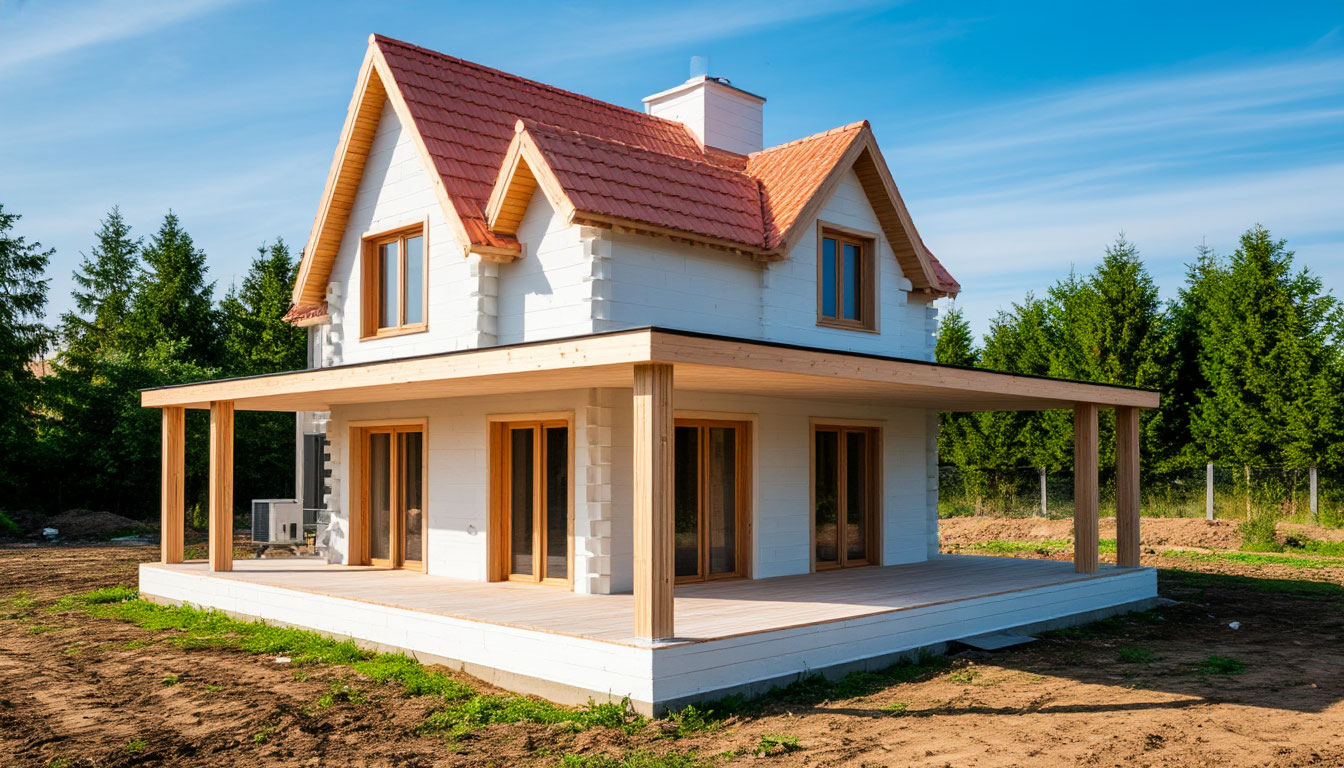
In the modern world, 3D printing is becoming an alternative to traditional construction using manual labor and specialized equipment. Thanks to this method, it is possible not only to ensure safer construction of residential buildings and outbuildings, but also to reduce the number of workers on the construction site, the Tomsk State University of Architecture and Building (TSUAB) reported.
One of the key problems when using this technology is the choice of the optimal composition of "ink", which differs significantly from traditional concrete mixes. The printing mixture must have sufficient viscosity and fluidity for pumping, and also provide the necessary structural strength after hardening.
3D printing technology allows printing one- and two-story buildings with dimensions up to 20 x 8 x 14 meters. The mixture we created has all the necessary properties for printing such objects, while it is produced from local raw materials: sand, cement and waste from Siberian enterprises.
Scientists from TSUAB have developed a mixture for printing houses using marble chips - a by-product of crushing rocks, as well as ash formed at thermal power plants when burning coal. This new construction solution has already been launched into industrial production by the university's industrial partners.
Marble chips and ash make up 10 mass percent of the printing mixture and provide rigidity and strength to the resulting structure, Sorokina explained. According to these parameters, houses printed with the new building mixture are not inferior to those built from traditional materials, while they surpass them in environmental friendliness.
Read more on the topic:
Первые российские криостаты для квантовых компьютеров представили в России
Прецизионные приборы из Крыма заменили аналоги из США и Японии в самолётах SSJ-100 и МС-21
Now on home

Start of deliveries scheduled for 2027

Over 51,000 new motorcycles were sold in Russia in 2025

The car will take at least a year to assemble

The application's audience has reached 20 million users

The model will be included in the list of cars for taxis, price - from 2.25 million rubles

All parking lots of the "Administrator of the Moscow Parking Space" are connected to the service

The cars will be supplied to the Moscow Transport Service Directorate

Deliveries to India may begin in 2028

The technology provides automated search for all types of defects in power units

The plane flew 500 km, accelerating to 425 km/h

The plant stated that the information about the termination of purchases for models 6 and 8 is not true

Scientists are using the "Ekran-M" installation