Translated with AI from the Russian original.
Shells for Russian artillery pieces began to be delivered by combat robots on a tracked chassis with remote control. The novelty helps to maintain the camouflage of the crew on the ground and remain in a firing position for a long time.
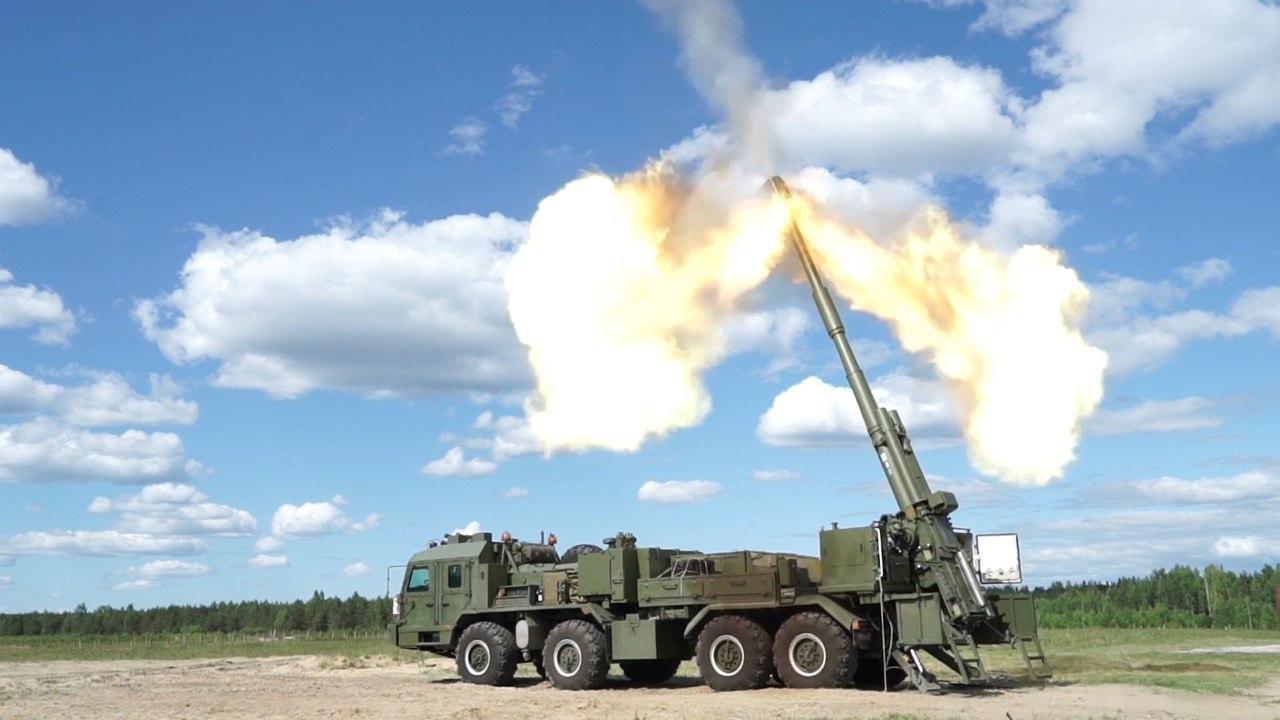
Robot operators see the maneuvers of the device in real time thanks to the video image coming from the camera. This measure allows you to remotely control its operation using the remote control.
Military expert Yuri Lyamin explained that the new robotic system will facilitate the work of artillerymen, since the drone is small and can travel a long distance without attracting attention.
It is much more difficult to detect and destroy than a car, buggy or even a motorcycle, which are often used to deliver ammunition. It is also important that covert movement will help keep the positions of our artillery secret until the self-propelled guns open fire.
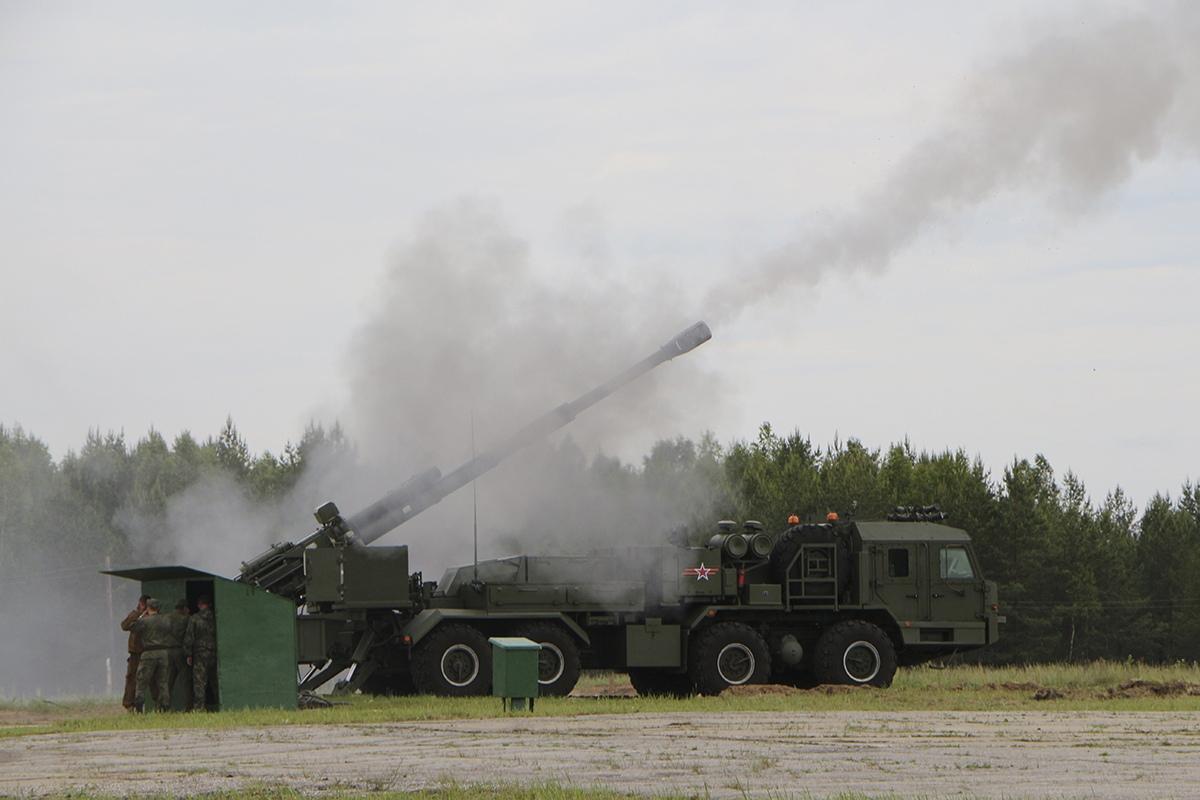
Robotic systems with electronic warfare (EW) equipment also operate at the firing positions of howitzers. The equipment of unmanned aerial vehicles allows blocking the frequency ranges used by FPV drone operators.
Read more materials:
Foreign customer was not satisfied with the color of the Russian Su-34E fighters
Named the key Russian combat aircraft
Su-27 fighter drove away the American F-15 from the Tu-22M3 bomber: a video appeared
Never miss our newsAdd this site to your preferred sources to see us more oftenAdd on Google

















