At the Baikonur Cosmodrome, preparations for the launch of the Progress MS-32 transport spacecraft have been completed. The assembled Soyuz-2.1a rocket has already been sent to the launch site, where the launch will take place in the near future. The flight will be an important step in providing the International Space Station (ISS) with the necessary resources. It will take place on September 11.
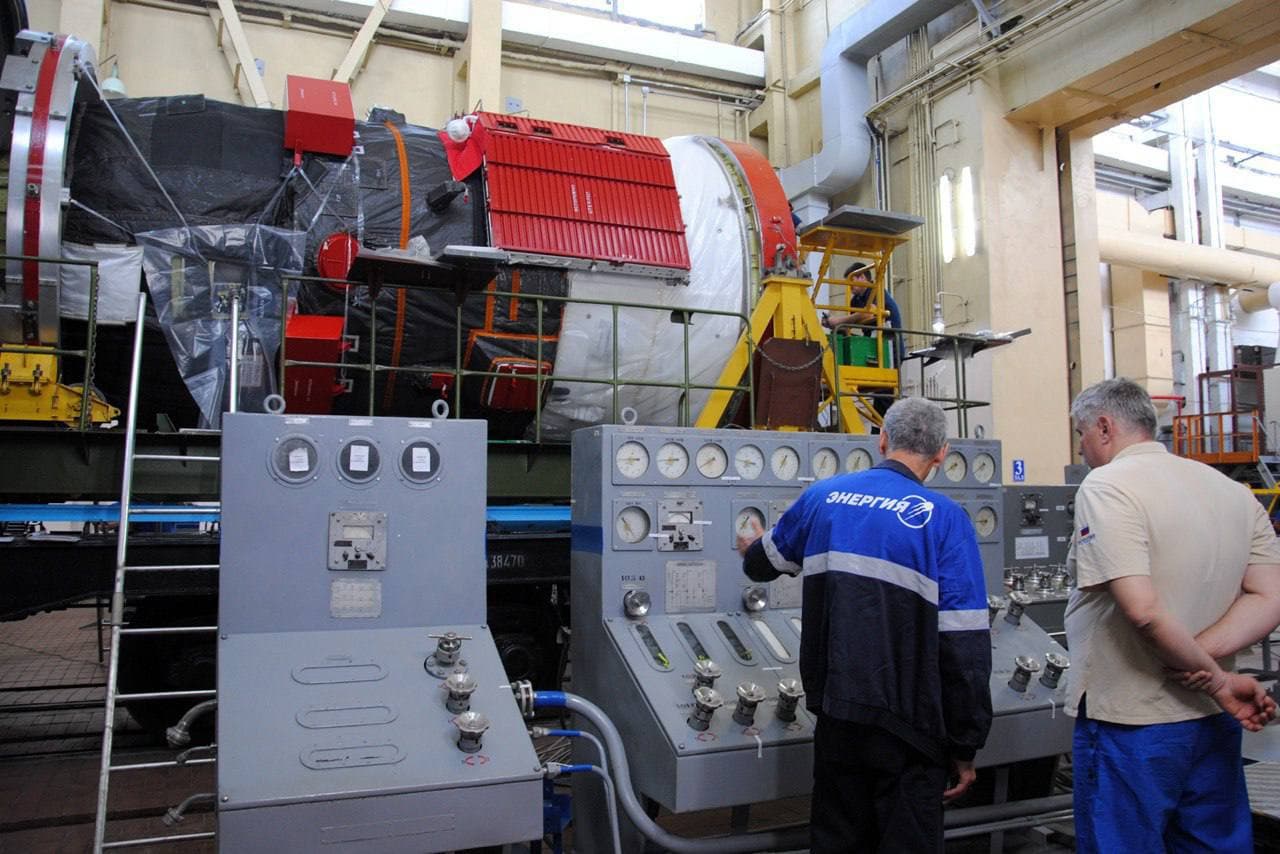
The Progress MS-32 spacecraft is designed to deliver 2516 kg of cargo to the ISS. The main part of this cargo, exceeding 2100 kg, includes fuel, water and food supplies, as well as equipment necessary for the crew to work and maintain life support systems. These resources are vital for maintaining the long-term operation of the station and the comfortable stay of astronauts.
Before being sent into orbit, Progress MS-32 underwent a series of tests, which included checking the functioning of all onboard systems and solar panels, as well as refueling. The ship is fully ready to fulfill its mission.
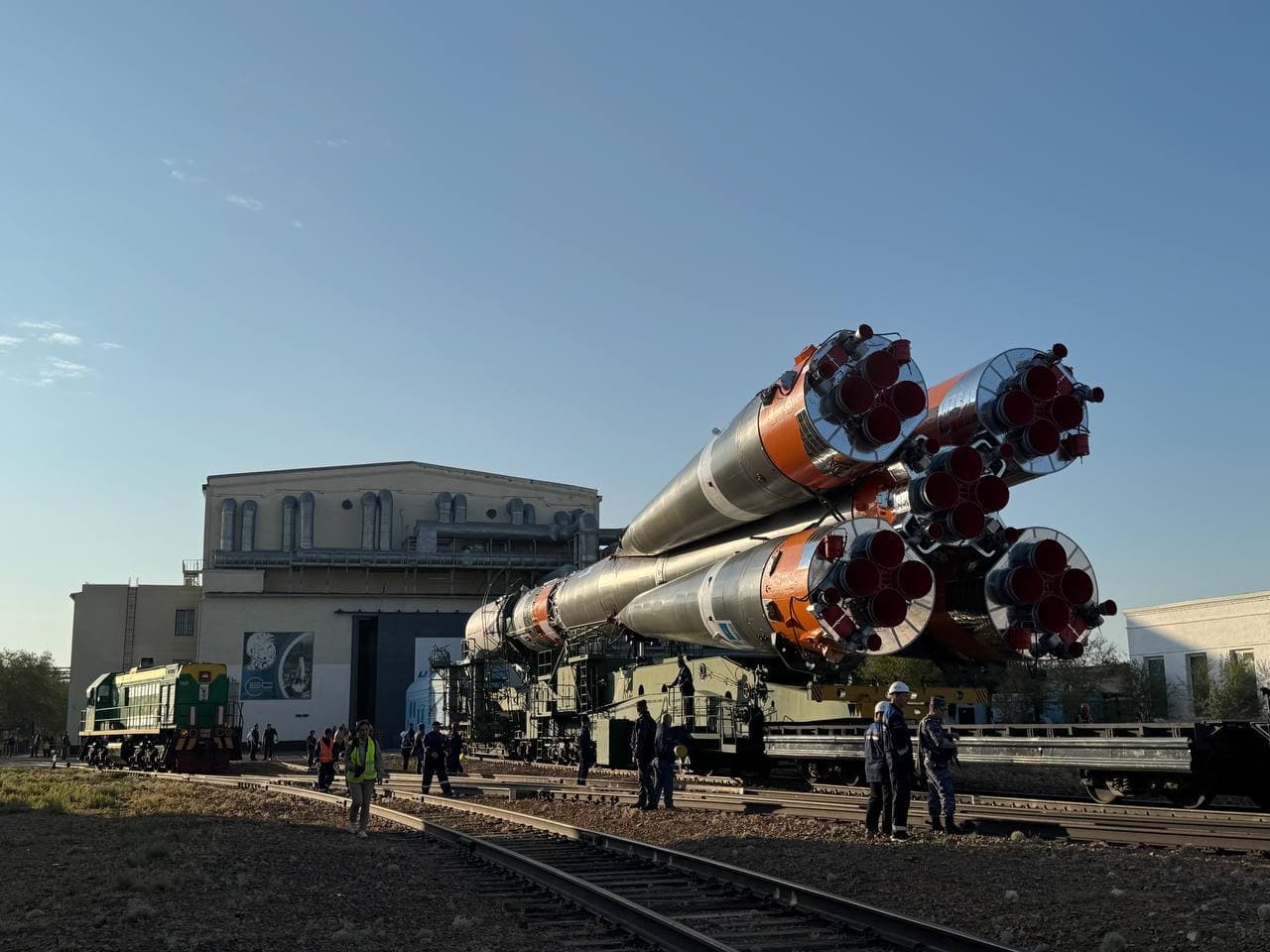
The launch of Progress MS-32 will be the 185th flight in the history of the Progress series and another step in the ISS supply program. After completing the delivery of cargo, the ship will be undocked from the station, enter the atmosphere and burn up, and its non-combustible elements will fall into the ocean. The process has become a standard procedure for spacecraft that have completed their missions.
Read more on the topic:
Solar panels passed the test: "Progress MS-32" is preparing for launch
Now on home

Start of deliveries scheduled for 2027

Over 51,000 new motorcycles were sold in Russia in 2025

The car will take at least a year to assemble

The application's audience has reached 20 million users

The model will be included in the list of cars for taxis, price - from 2.25 million rubles

All parking lots of the "Administrator of the Moscow Parking Space" are connected to the service

The cars will be supplied to the Moscow Transport Service Directorate
Deliveries to India may begin in 2028

The technology provides automated search for all types of defects in power units
The plane flew 500 km, accelerating to 425 km/h

The plant stated that the information about the termination of purchases for models 6 and 8 is not true

Scientists are using the "Ekran-M" installation
Articles
-
Russian An-124 "Ruslan" Stuck in Canada for 4 Years and Accrues Millions in Fines
26 Jan 2026
-
Coaxial Propellers: How Counter-Rotation Increases Turboprop Engine Efficiency
25 Jan 2026
-
Kazan Aviation Plant Breaks Old System: Tu-214 to be Assembled Like Cars
25 Jan 2026
-
How Engineers and Technicians Are Paid Today in the Russian Aviation Industry: An Overview with Figures
24 Jan 2026