Specialists from the Moscow Aviation Institute (MAI) have developed and implemented an innovative methodology for testing spacecraft. This technology allows for a deeper assessment of the operability of satellites in extreme conditions and significantly extends their service life to 10-15 years or more.
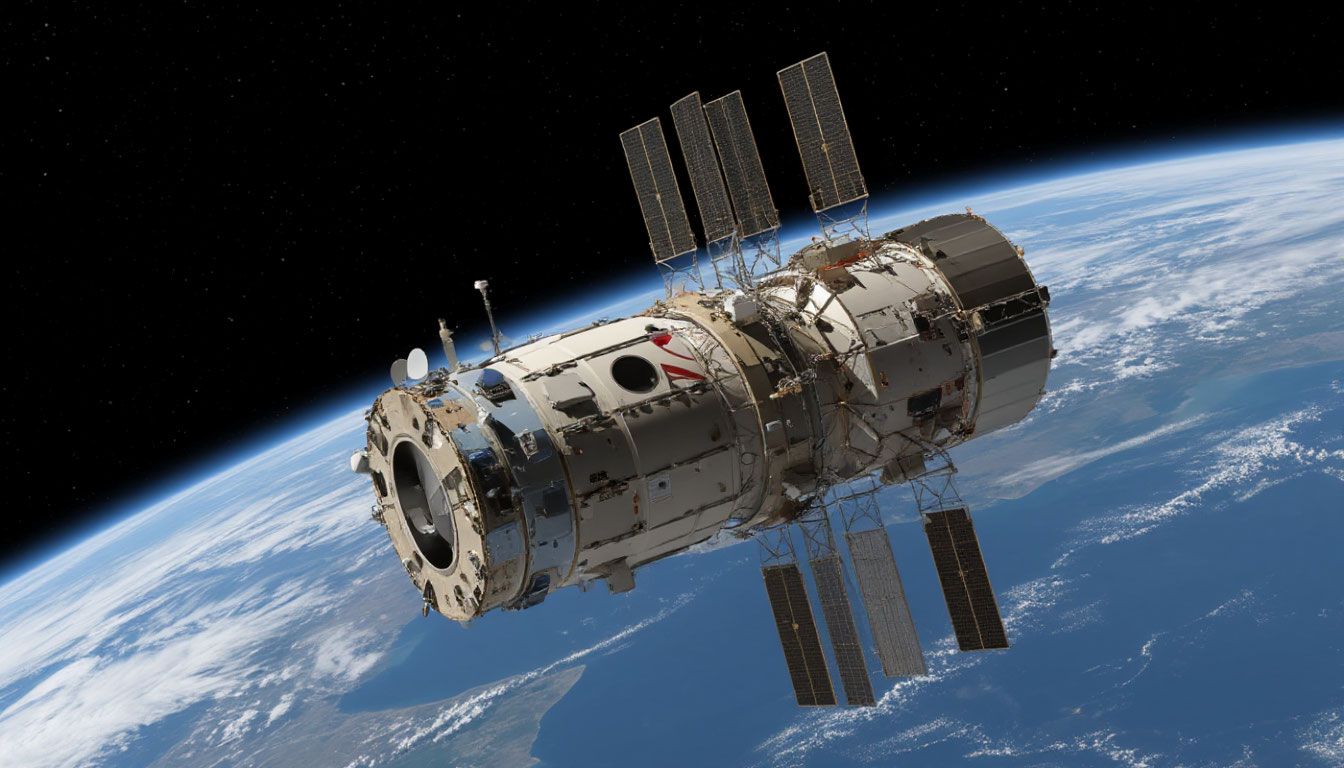
The new methodology helps to ensure that the design solutions are correct and that the devices will be able to operate without failures even in difficult space conditions. During the tests, scientists assess how solar panels and on-board equipment withstand the effects of high-energy particles, plasma from electric propulsion engines, and other factors. It is on the basis of the data obtained that methods and means of protection are developed, which are then incorporated into the design of satellites.
Three vacuum chambers with a volume of 2 to 16 m3 are used for testing. These chambers are designed to recreate space conditions on Earth. As part of the Priority 2030 program, it is planned to modernize the chambers, which will expand their functionality and increase the accuracy of measurements.
At MAI, according to representatives of the institute, the new methodology and specialized programs are already being used to perform calculations and tests for orders from industrial enterprises. At the same time, work continues to improve the methodology, which in the future should increase the reliability and durability of Russian satellites.
Earlier www1 reported thatthe production of the Mozhaets-6 satellite has been completed, which will become part of the Russian orbital group
Read more on the topic:
A World War II fighter plane was raised from the bottom of a lake in Kamchatka
The new DP2D train was tested on a difficult section near St. Petersburg
Now on home

Start of deliveries scheduled for 2027

Over 51,000 new motorcycles were sold in Russia in 2025

The car will take at least a year to assemble

The application's audience has reached 20 million users

The model will be included in the list of cars for taxis, price - from 2.25 million rubles

All parking lots of the "Administrator of the Moscow Parking Space" are connected to the service

The cars will be supplied to the Moscow Transport Service Directorate

Deliveries to India may begin in 2028

The technology provides automated search for all types of defects in power units

The plane flew 500 km, accelerating to 425 km/h

The plant stated that the information about the termination of purchases for models 6 and 8 is not true

Scientists are using the "Ekran-M" installation