Specialists from Bauman Moscow State Technical University have developed polymer composite materials that increase the resistance of drones to impact loads by 20%.
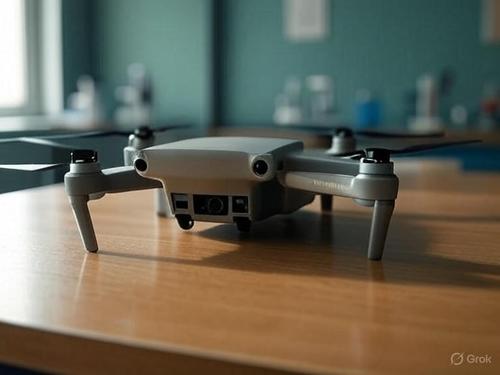
The developers intend to launch small-scale production of improved drone bodies.
We have created polymer composite materials based on thermoplastic binders. Such bodies will be more durable.
The strength of the drone's body is critical under high loads, especially during frequent takeoffs and landings, as well as during operation in harsh climatic conditions.
The molding of such products occurs instantly upon cooling. Epoxy, polyester, vinyl ester, and phenolic binders, which are widely used now, are relatively brittle. They need several hours to harden.
The new materials can improve the performance characteristics of drones.
Earlier www1.ru reported that an ultralight titanium power plant for hydrogen drones was developed in Sakhalin.
Read more on the topic:
Ryazan Radio Engineering University is developing new optical communication modules for UAVs
Domestic software for controlling drones via cellular networks was created at SibGUTI
Never miss our newsAdd this site to your preferred sources to see us more oftenAdd on Google