The Engineering Chemical-Technological Center (IHTC) at Tomsk State University is preparing for the serial production of alkenyl succinic anhydride (ASA). This substance is used for sizing paper and cardboard, improving their resistance to moisture. The start of production is scheduled for the end of 2025.
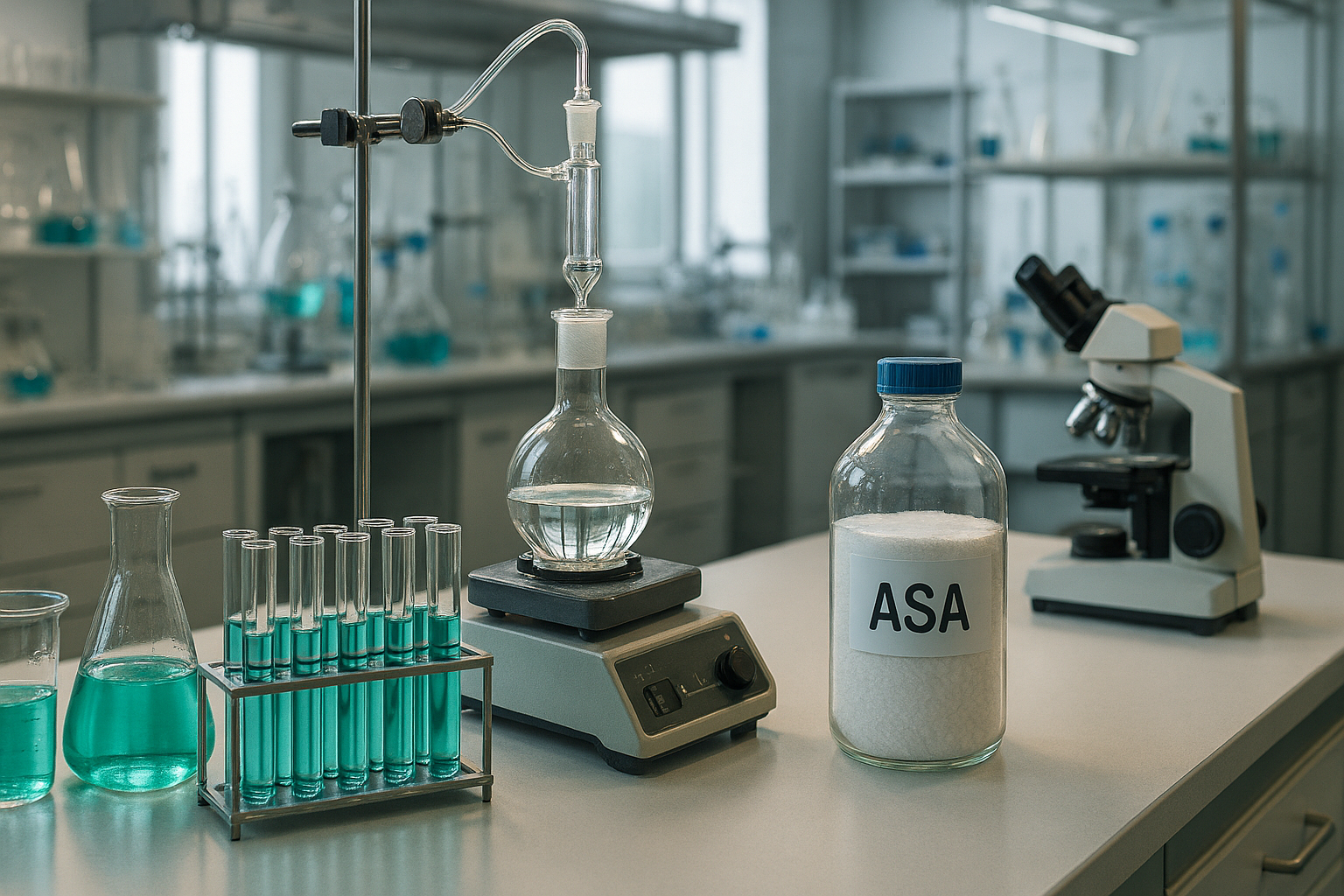
ASA is a viscous amber-colored liquid that is also used in the production of epoxy resins, lubricants, and surfactants. Previously, the main supplier of ASA to Russia was the Finnish company Kemira, which occupied 70% of the market. After the cessation of supplies in 2022, prices for imported adhesive rose, and the share of costs for adhesive bases in the cost of paper products increased from 17.5% to 48%.
Currently, the pulp and paper industry uses a supply of adhesive purchased earlier from abroad. Since March 2022, Kemira (Finland), which previously occupied 70% of the market, has stopped direct deliveries of ASA to Russia, which increased imports from alternative suppliers from the USA, Greece, and China, and the average statistical cost of ASA has increased sharply. The latter led to an increase in the share of expenses from 17.5% to 48% on adhesive bases in the total cost of pulp and paper production.
The capacity of the pilot production is 150 tons per year, but if there is demand from consumers, it can be scaled up to 500, 1000 tons per year or more.
IHTC technology uses Russian raw materials, which reduces the cost of production. Several companies have already expressed interest in the products. It is planned to produce 750 tons of ASA by the end of 2026. At the same time, specialists are working on expanding the range and reducing the cost. The issue of environmentally friendly waste disposal is also being addressed.
IHTC was created on the basis of TSU and is engaged in the implementation of scientific developments in production. The center has implemented more than 600 projects, including 30 productions in different cities of Russia.
Read more materials on the topic:
TRINITI and MEPhI are creating a training center for thermonuclear energy
Ryazan Radio Engineering University is developing new optical communication modules for UAVs
Ceramics with controlled electrical resistance developed by scientists of the SSC RAS, DSTU and SFU











