TVEL, a company within the Rosatom State Corporation, has manufactured a pilot batch of tenth-generation gas centrifuges (GC-10) for uranium isotope separation.
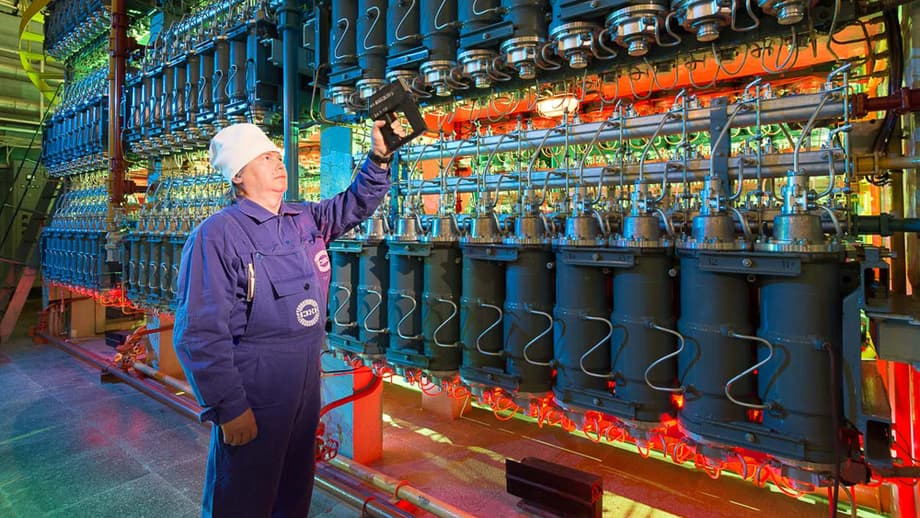
In terms of technical characteristics, the new model surpasses all previous centrifuges used at Rosatom enterprises.
A gas centrifuge is a device that, through rapid rotation (over 1000 revolutions per second), separates the lighter uranium-235 isotope from the heavier uranium-238. Gaseous uranium hexafluoride, a compound of uranium with fluorine, is used to feed the material into the centrifuges, which facilitates the separation process. This technology is considered the most efficient for producing nuclear fuel.
The development of the GC-10 is a historic achievement of our designers, technologists, and production workers. The GC-10 is another step forward
The GC-10 will undergo testing at one of TVEL's plants, and after successful tests, it will be put into mass production.
Read related materials:
KMZ recreated a complex gearbox for an industrial centrifuge using reverse engineering
TVEL completed a six-year modernization of low-enriched uranium production in Zelenogorsk
Now on home

Start of deliveries scheduled for 2027

Over 51,000 new motorcycles were sold in Russia in 2025

The car will take at least a year to assemble

The application's audience has reached 20 million users

The model will be included in the list of cars for taxis, price - from 2.25 million rubles

All parking lots of the "Administrator of the Moscow Parking Space" are connected to the service

The cars will be supplied to the Moscow Transport Service Directorate

Deliveries to India may begin in 2028
The technology provides automated search for all types of defects in power units

The plane flew 500 km, accelerating to 425 km/h

The plant stated that the information about the termination of purchases for models 6 and 8 is not true
Scientists are using the "Ekran-M" installation