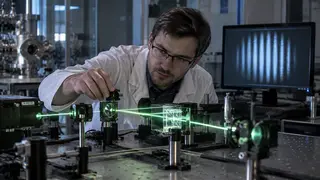
Scientists from Kazan Federal University (KFU) have developed an innovative method for measuring the temperature of microscopic objects using luminescent thermometry. The technology is based on the use of nanoparticles containing cerium (Ce³⁺) and terbium (Tb³⁺) ions, which allow for highly accurate temperature determination in the range of 0 to 200°C for objects a few micrometers in size.
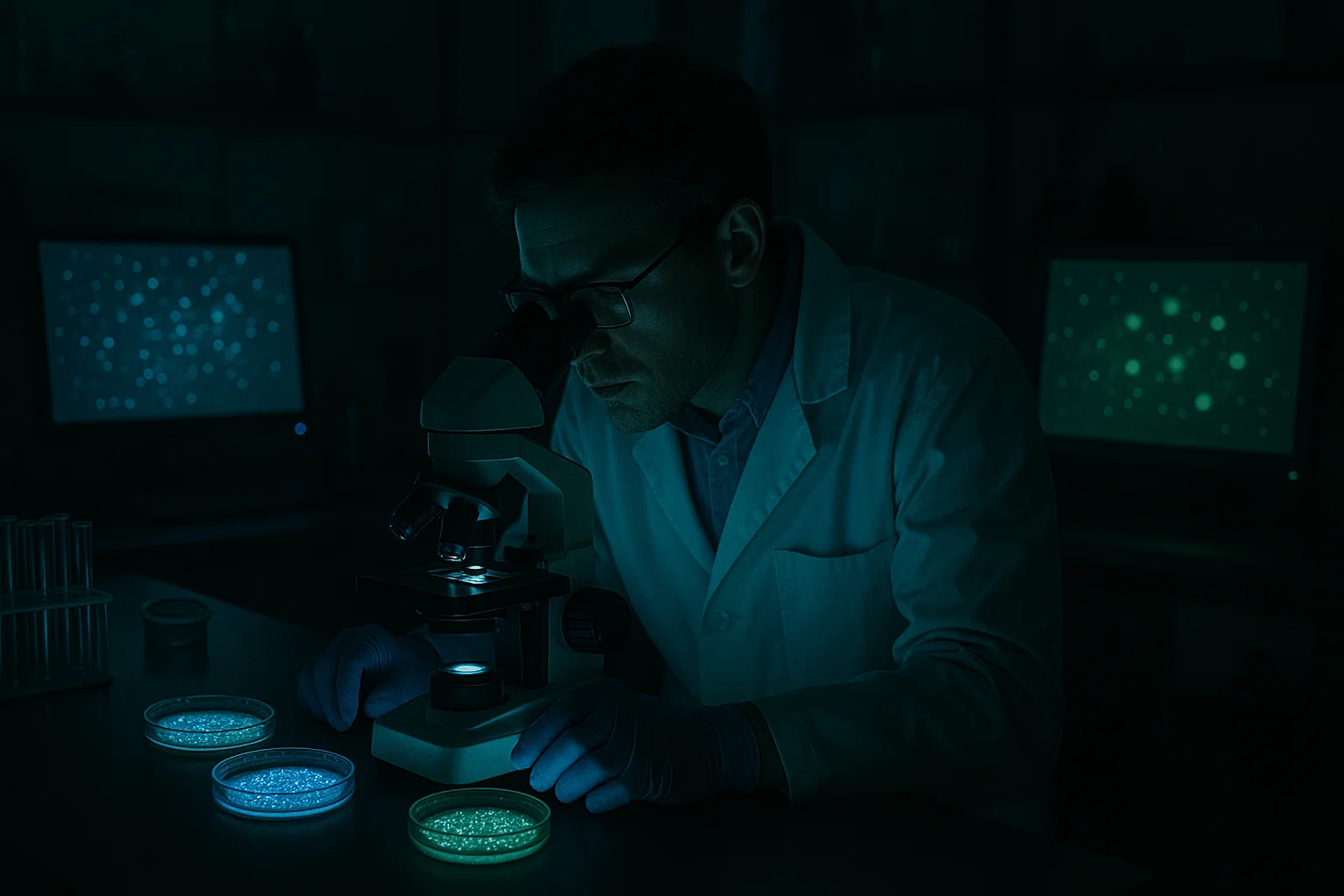
The development is particularly important for microelectronics, where temperature control is critical for the stable operation of miniature devices. In addition, the method can be applied in the space industry and biomedicine, including bioimaging and photodynamic therapy.
Our work consists of studying the mechanisms of temperature sensitivity of the spectral-kinetic characteristics of these phosphors. It has been shown that the obtained materials possess very competitive sensitivity values.
The new method can significantly improve the control of temperature regimes in microchips, as well as increase the accuracy of medical procedures involving ionizing radiation.
Read also related materials:
Unique laboratory for growing cells for disease research opens in Tomsk
Antimalarial drug may be key to treating rare genetic diseases: new discovery by Kazan scientists
Russian chemists learn to control the color of rare earth element luminescence
Never miss our newsAdd this site to your preferred sources to see us more oftenAdd on Google