Translated with AI from the Russian original.
The Institute of Physical and Technical Problems (IFTP, part of Rosatom), together with representatives of the space industry, has developed a new small-sized device designed to simulate space radiation on Earth. This device will allow testing the stability of microelectronics in spacecraft in conditions as close as possible to real ones.
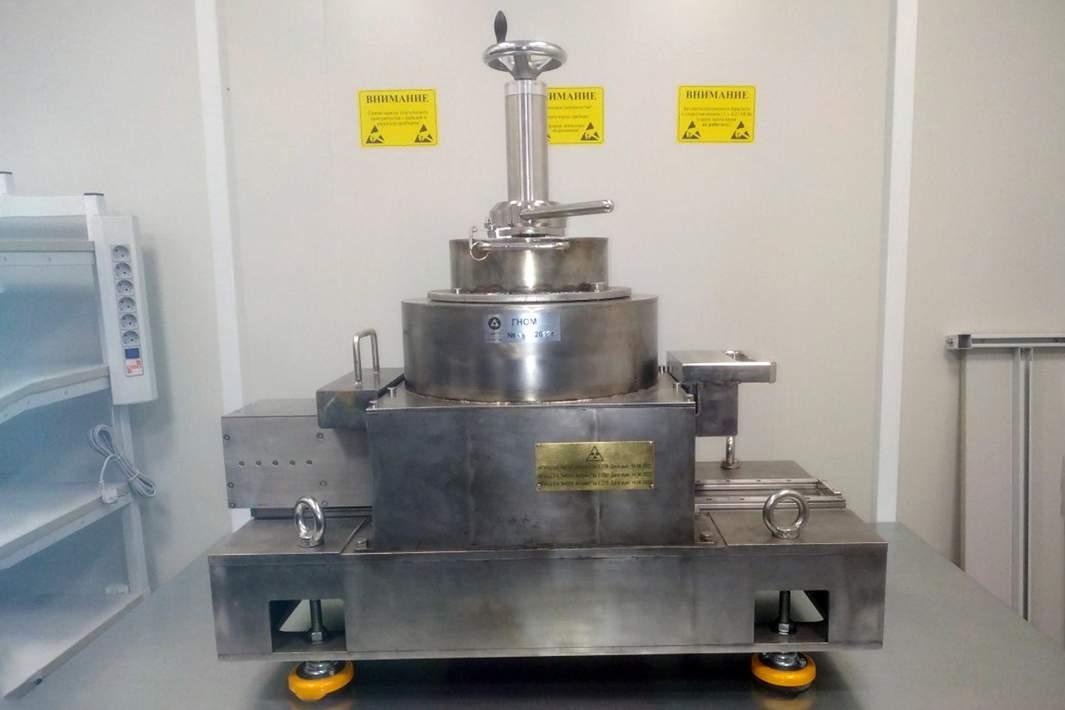
The device includes a low-intensity source of gamma quanta that simulate the effects of electrons and protons in outer space, and a chamber where the sample under study is placed. Cesium-137 isotope is used as an active element. The energy of its radiation is 0.662 MeV.
According to Alexander Smirnov, the radiation dose rate in the device's chamber is 0.01 rad/s, which corresponds to space flight conditions. The volume of the test chamber is only 1 liter, and its dimensions are 10x10x10 cm. This makes the device convenient for use in small laboratories and design bureaus.
A key advantage of the new device is that it operates without being connected to the mains, since cesium-137 emits on its own. Previously, more bulky equipment or the use of isotopes with high radiation energy, such as cobalt-60, was required to check the radiation resistance of electronics. The new device offers a more economical and convenient option for preliminary tests.
Earlier www1.ru reported that Rosatom created a new high-precision mass spectrometer.
Read materials on the topic:
Will look into the past 10 million years ago: a chamber for an accelerator mass spectrometer was created in Novosibirsk
Will speed up research by 300 times: TPU created software for studying rocks using the SKIF CCP
A technology has been created in the Saratov region to increase oil and gas production
Never miss our newsAdd this site to your preferred sources to see us more oftenAdd on Google

















