A joint research group from Russia and China has developed innovative ceramic materials based on zinc ferrite (ZnFe₂O₄), which can become the basis for safe solid-state batteries.
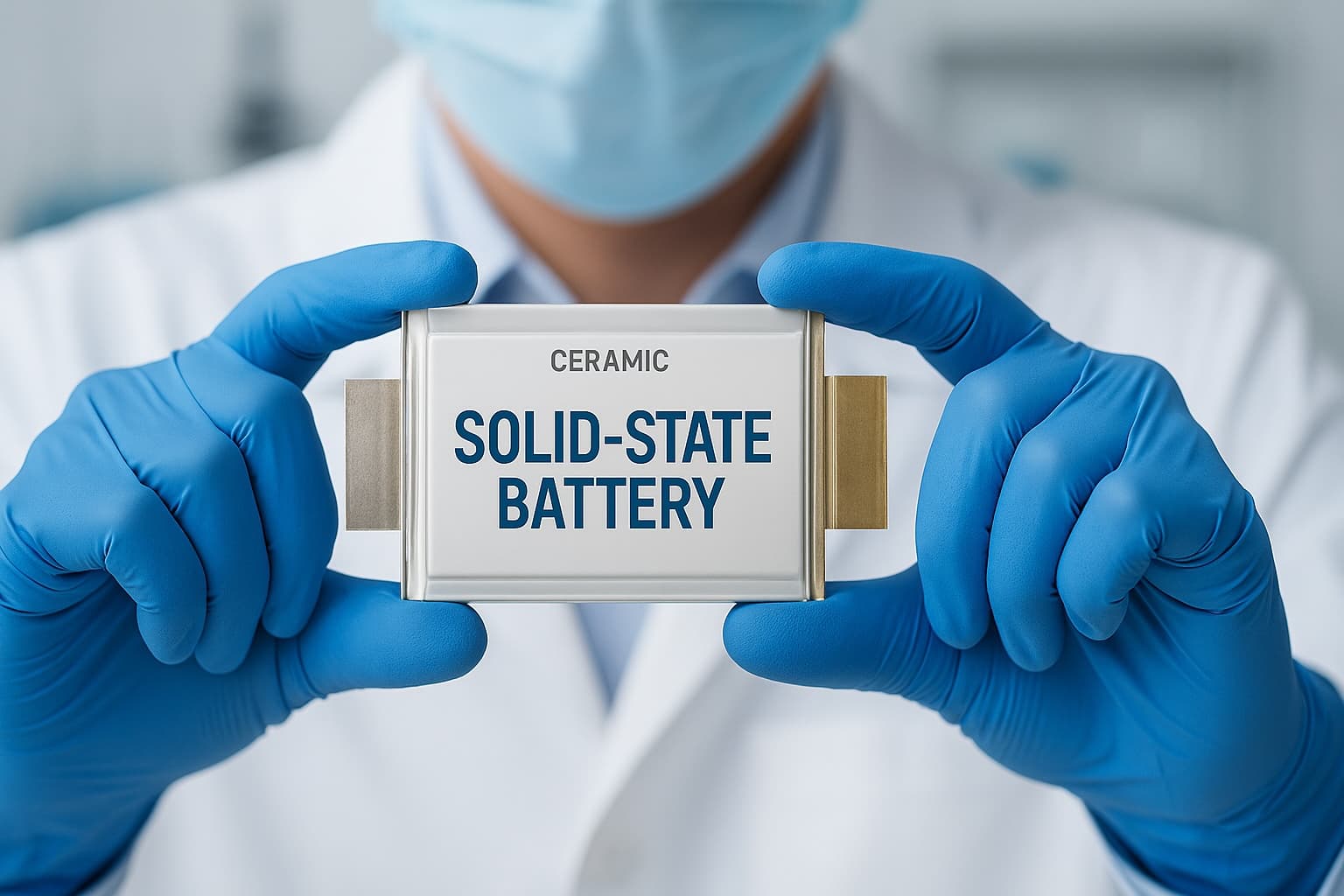
The project is being implemented with the participation of Sakhalin State University (SakhSU), Far Eastern Federal University (FEFU), and the Shanghai Institute of Ceramics. The new technology eliminates the use of toxic components and liquid electrolytes, reducing the risk of fire and increasing resistance to extreme temperatures.
Solid-state batteries based on synthesized ceramics are characterized by increased energy intensity and durability. Unlike traditional lithium-ion counterparts, they remain stable in temperature ranges from -40°C to +80°C, which is critical for use in Arctic zones and island territories. In addition, the absence of lead and other harmful substances makes them safe for disposal.
The technology opens the way to creating batteries for consumer electronics, electric vehicles, and energy storage systems in the renewable energy sector. The next step will be testing prototypes in real conditions. Scientists also plan to adapt the materials for use in flexible electronics and portable devices.
The transition to solid-state batteries solves two global problems: dependence on rare earth metals and environmental damage from toxic waste.
Read materials on the topic:
Universal solar batteries for the Arctic and space are being created in Russia
Nuclear "eternal battery": isotope for beta-voltaic energy sources was isolated in "Skolkovo"
Compact and powerful: new batteries for public transport have been developed in Moscow











