At the "Vostochny" Cosmodrome, active preparations are underway for the upcoming launch of the "Ionosphere-M" satellites No. 3 and 4. A key element of the mission will be the "Fregat" booster block, which will ensure the spacecraft are placed into the designated orbit.
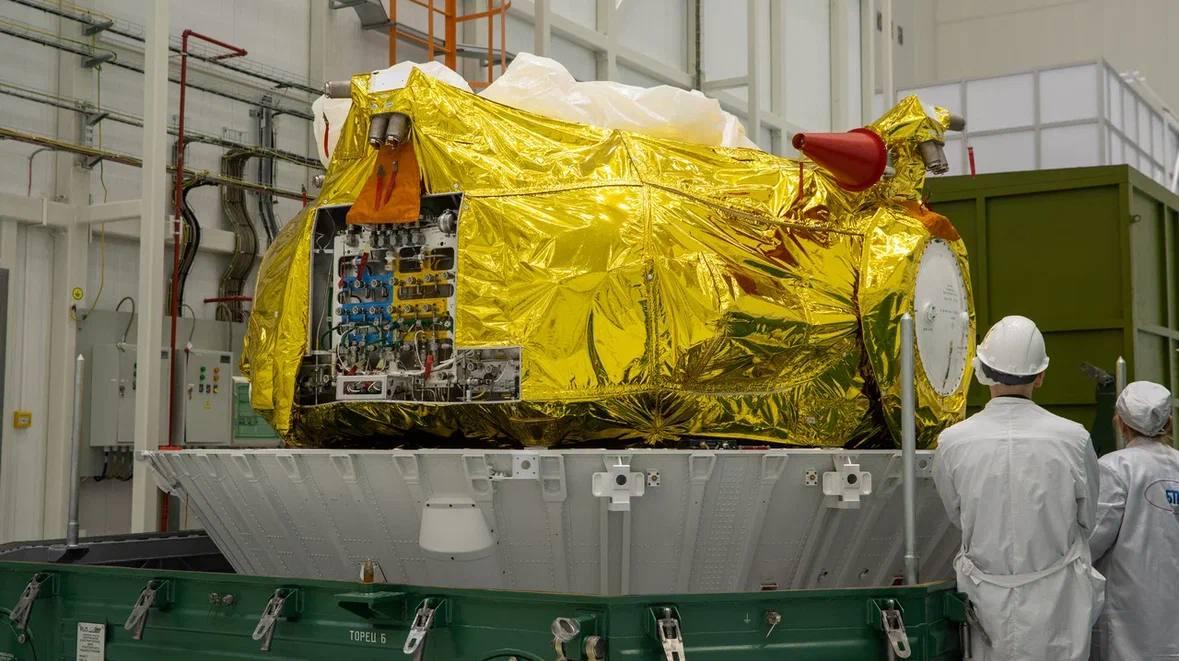
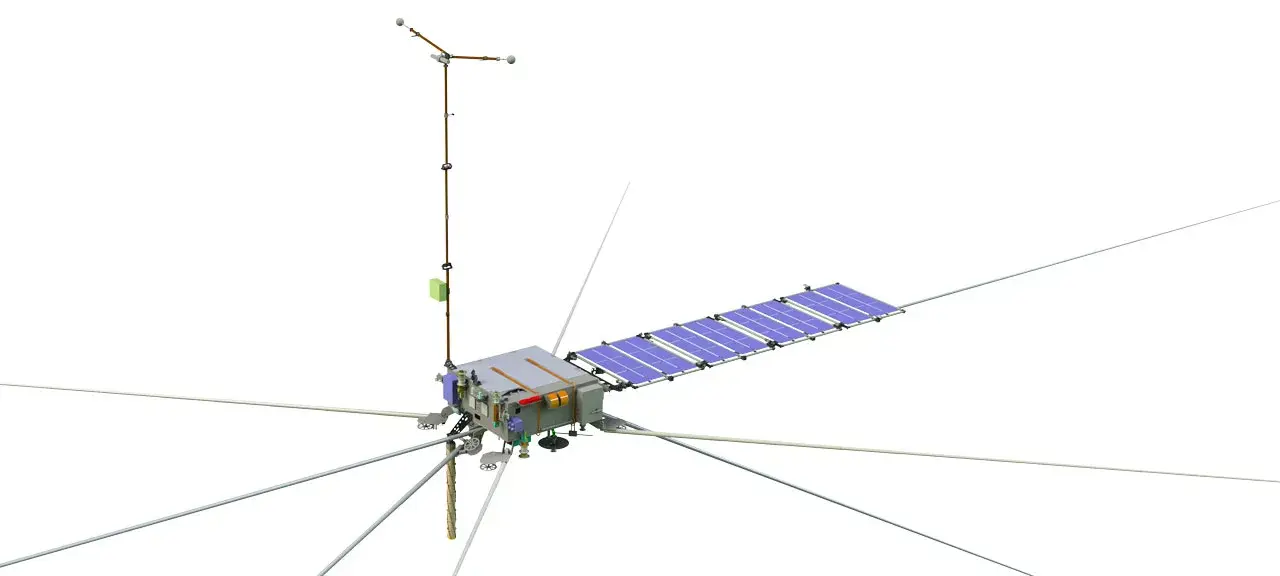
Ionosphere-M is a Russian satellite designed to study and monitor the Earth's ionosphere. It is part of a series of satellites designed to study the ionosphere and its impact on radio communications and navigation. It is a spacecraft that collects data on the state of the ionosphere, its electromagnetic parameters, and behavior under various conditions, which is important for radio communications, GPS, and other systems. The first two spacecraft were successfully launched in 2021.
Specialists have already unpacked the container with the "Fregat" and installed it at the work site. In the coming days, electrical and pneumatic-vacuum tests will be carried out to confirm the operability of all systems. These tests are critical for the successful completion of the mission.
After the tests are completed, the booster block will be filled with fuel components and compressed gases.
Read more on the topic:
New Russian satellites "Ionosphere-M" have entered electrical testing
"Roscosmos" is introducing a robotic complex for assembling RD-191 engines: it works without breaks
Never miss our newsAdd this site to your preferred sources to see us more oftenAdd on Google

















