Translated with AI from the Russian original.
On May 6, a massive mobile internet shutdown occurred in several Russian cities, including Kursk, Tula, Yaroslavl, and Saransk. The restrictions affected all telecom operators simultaneously. Authorities explained this as "preventive measures related to countering unmanned aerial vehicles."

The mobile internet shutdown caused serious inconvenience to residents. Taxi drivers in Tula, where communication disappeared in the afternoon, were forced to connect to Wi-Fi in cafes and beauty salons to receive orders. However, without working navigators, customers often "get lost" as soon as they go outside. Payment systems were also affected: mobile payment terminals stopped accepting bank cards, forcing customers to switch to cash payments.
The interruptions began around 11 a.m., and by the evening, communication was completely lost. The mobile internet shutdown also caused failures in ATMs, transport validators, online displays, and delivery services. The Yaroslavl administration confirmed that the restrictions were introduced to protect critical infrastructure from possible drone attacks.
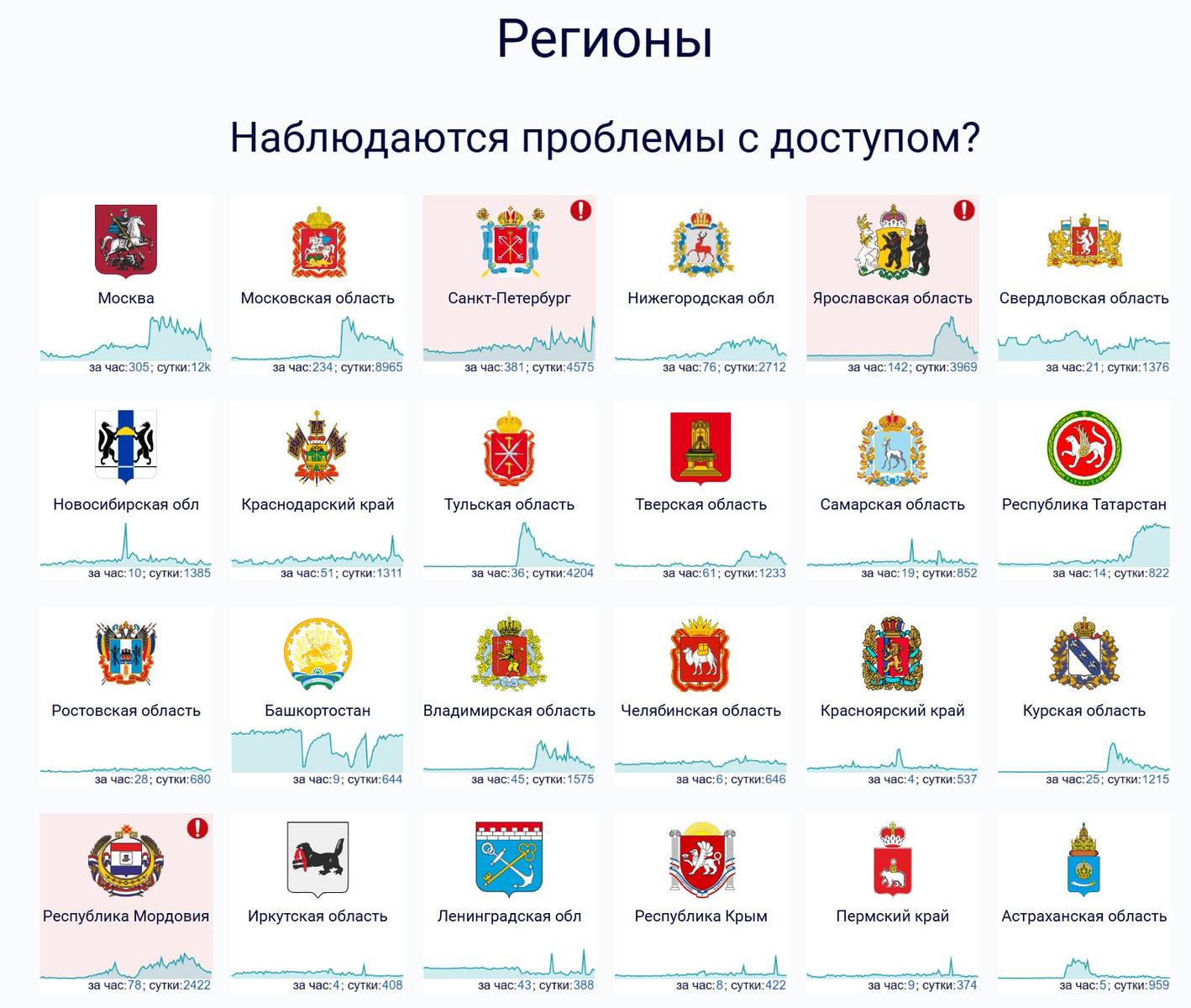
The mobile internet shutdown in several Russian cities has shown how much modern services depend on stable communication. The technical side of such restrictions, as well as their impact on people's daily lives, raise questions.
Read more on the topic:
3G is "dying" in Russia: telecom operators are abandoning outdated technology in favor of LTE
Mobile operators will be required to verify data on SIM card transfers
Large-scale failure in Yandex applications: even taxis are not working
Never miss our newsAdd this site to your preferred sources to see us more oftenAdd on Google

















