Scientists from the Federal Research Center for Integrated Arctic Studies named after Academician N.P. Laverov (FRC IAS) have discovered that changes in the Earth's magnetic field affect the baroreceptor reflex - a mechanism that regulates blood pressure and heart rate. This effect is especially pronounced in people with hypertension.
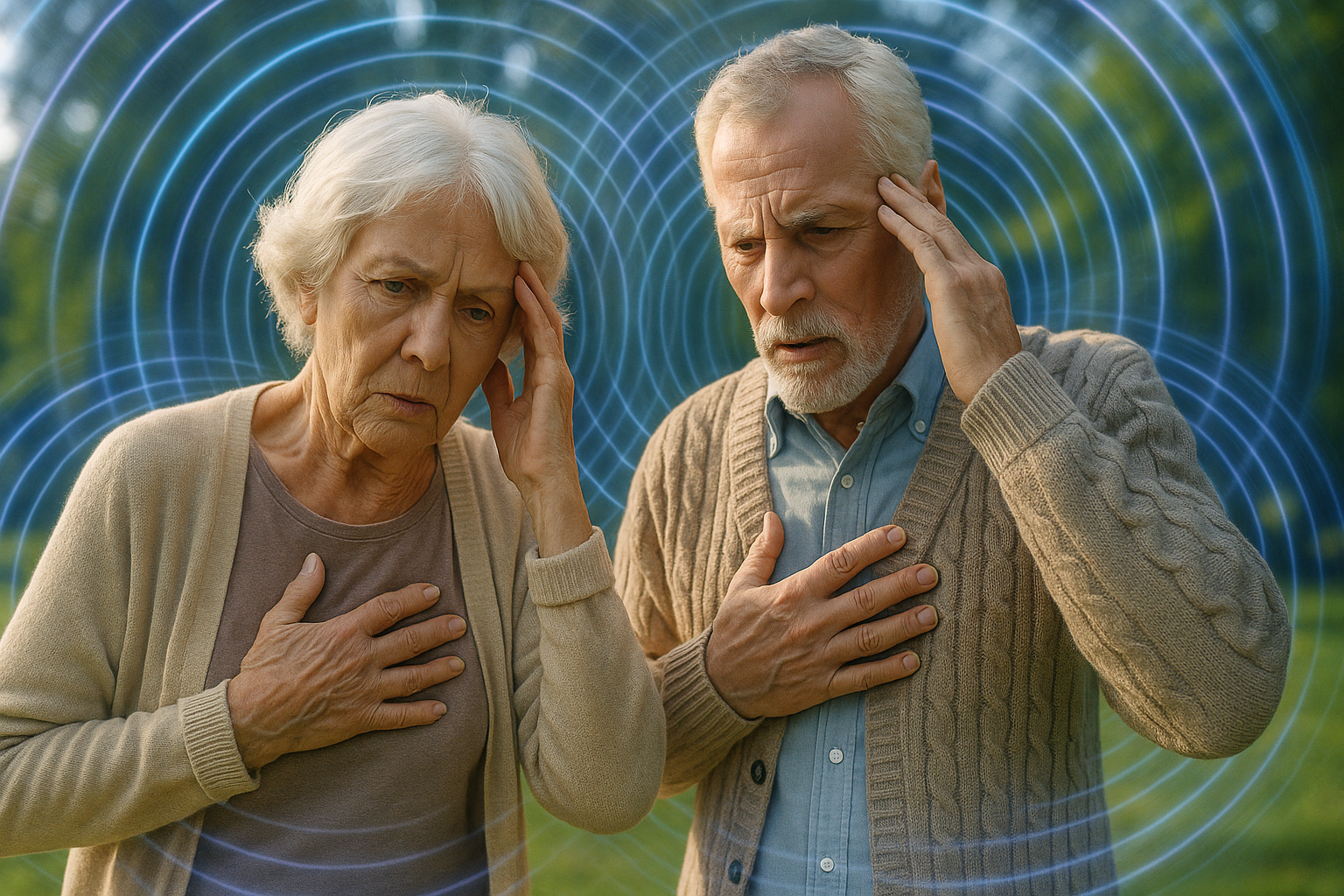
People with arterial hypertension showed a fairly pronounced synchronization of magnetic field and cardiac activity indicators, but synchronization of fluctuations in the indicator reflecting the baroreflex was practically absent. That is, in these people, the tension of cardiac activity increased as the magnetic field changed, in contrast to people with normal pressure. The increase in this trend means a certain risk of a hypertensive reaction during pronounced geomagnetic disturbances
The studies were conducted at the Rotkovets geobiosphere station in the Arkhangelsk region, where the Klimovskaya geomagnetic observatory is located. Scientists analyzed minute fluctuations in the magnetic field and their relationship to fluctuations in heart rate. It turned out that in healthy people, the baroreflex synchronizes with geomagnetic changes, mitigating their influence, while in hypertensive patients this mechanism works worse, which increases the risk of pressure surges.
And during magnetic disturbances, they may experience a "tension" in the stress index and a decrease in the mechanisms that resist heart tension and are regulated by the vagus nerve
The discovery of Arkhangelsk scientists may help in the development of new methods to protect the health of people sensitive to magnetic storms. A method for assessing the effect of geomagnetic fluctuations on the heart, created jointly with the developers of the "Varikard" device, has already been patented.
Read more on the topic:
Several magnetic storms are expected on Earth in May 2025: forecast of Russian astronomers
Hold on to your heads: magnetic storms have become 2.5 times more frequent compared to last year