Researchers from MISIS have developed a device capable of detecting the location of an inflammatory process in the body, even if the person is wearing clothes. People emit and reflect electromagnetic waves, including terahertz radiation with frequencies between radio waves and visible light. In the early stages of the disease, the temperature under the skin in the inflamed area rises.
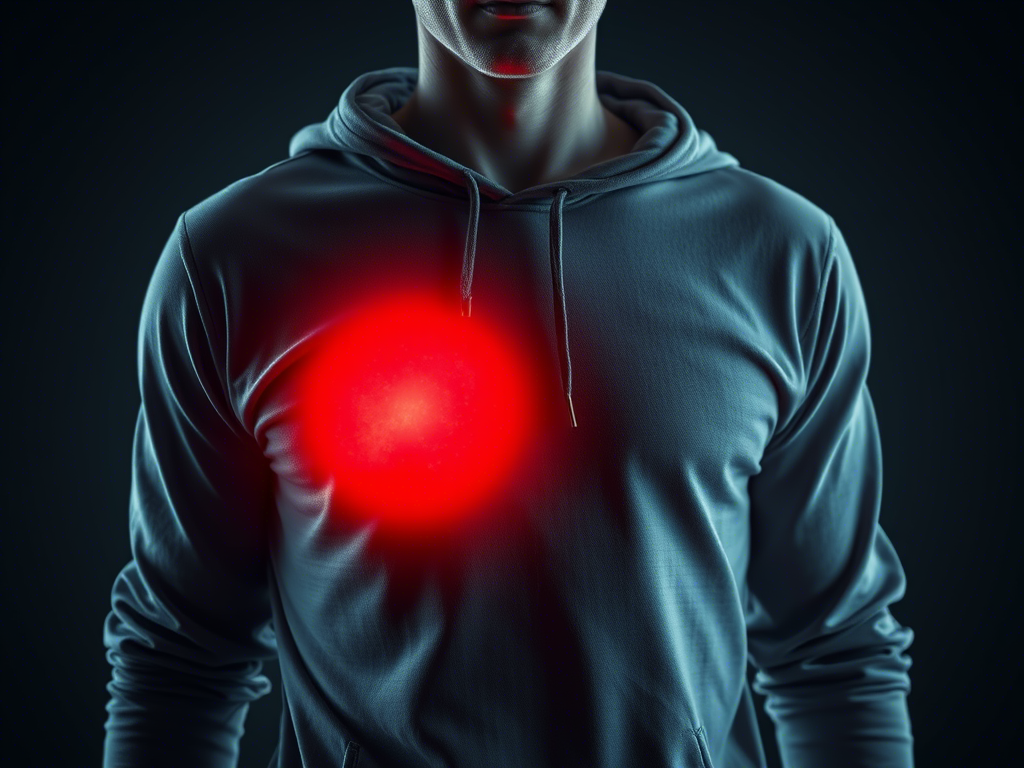
The university has developed and patented a unique detector that can detect even minor foci of elevated body temperature. This device operates in the terahertz range and can be used as a night vision device.
Unlike traditional methods, which only detect surface heating, the new detector can register temperature changes even through clothing. At the same time, the device does not emit harmful radiation, as in X-rays, but can record the slightest changes in skin temperature - one of the earliest symptoms of the onset of inflammatory processes.
Sergey Shitov, Doctor of Physical and Mathematical Sciences and head of the cryoelectronic systems laboratory, claims that the new device is capable of extracting the signal from background noise and displaying foci of inflammation. In combination with other diagnostic methods, such as magnetic resonance imaging and radiography, the new technology will provide medical professionals with additional information.
The research of MISIS scientists may form the basis of a new technology for thermal mapping of the skin. It is used for early detection and prevention of diseases, when symptoms have not yet manifested, and for accurate determination of inflammation. Several sensitive detectors can be integrated into the matrix of a medical device, which will allow simultaneous measurements at different frequencies.
Earlier, scientists from SPbPU created a digital model of the jaw to predict the performance ofdental implants. The technology makes it possible to "look" inside the jaw and simulate how the implant will behave depending on the type of bone tissue.
Read materials on the topic:
Students of PNRPU created prostheses of limbs that can be printed on a 3D printer