Roscosmos has proposed creating a unified platform for launching student space projects under the "UniverSat" program. The initiative aims to train a new generation of specialists in the space industry of the BRICS countries.

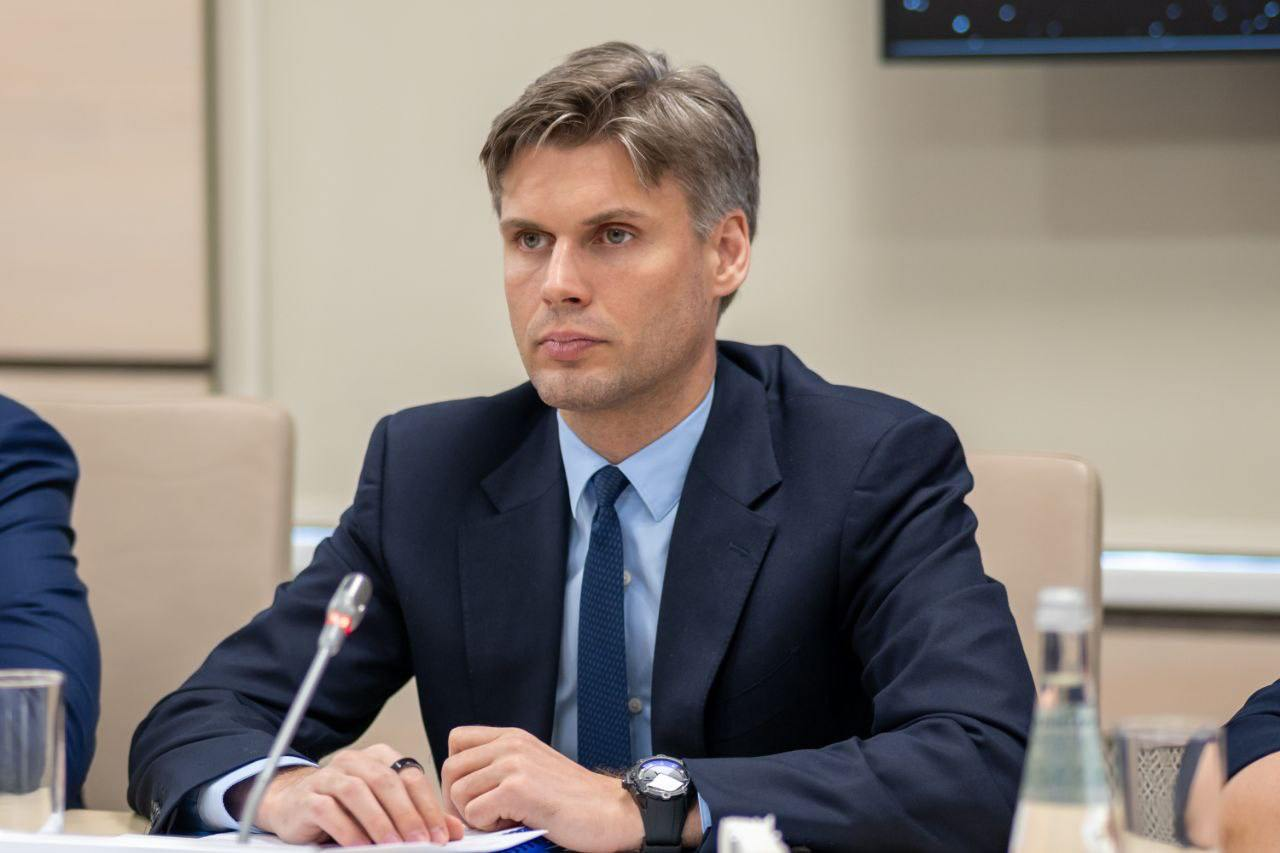
The head of Roscosmos, Dmitry Bakanov, presented a revolutionary idea at a meeting of space agencies of the BRICS countries. The essence of the proposal is to combine the efforts of students, scientists, and specialists to create and launch small spacecraft.
Over the past five years, 22 CubeSat meteorological satellites have been launched into orbit under the "UniverSat" program. Another six spacecraft are planned for launch this year alone.
The participating countries can jointly conduct fundamental and applied scientific research, implement engineering projects, and exchange experience in supporting technological entrepreneurship and startups in the space sector.
Dmitry Bakanov announced the possibility of developing joint educational programs in space technologies, navigation, Earth monitoring, near-Earth space, and space law. Training can be conducted both in person and remotely.
The program will include courses in spacecraft management, rocket engineering, as well as summer space schools with the participation of teachers from leading universities and scientists.
Read more on this topic:
Kenneth Bowersox from NASA: I hope Russians are proud of their space program
Head of Roscosmos Bakanov: Space National Project is nearing completion of development
A nuclear space program will appear in Russia as part of the national project