Russian unmanned aerial vehicles (UAVs) designed for operation in the Arctic have surpassed the development level of Northern European countries, according to a Swedish officer in an interview with the German publication Tagesspiegel. He emphasized that Russia is actively improving drone technologies, including autonomous control systems and reconnaissance capabilities, which is of interest to the technological community.
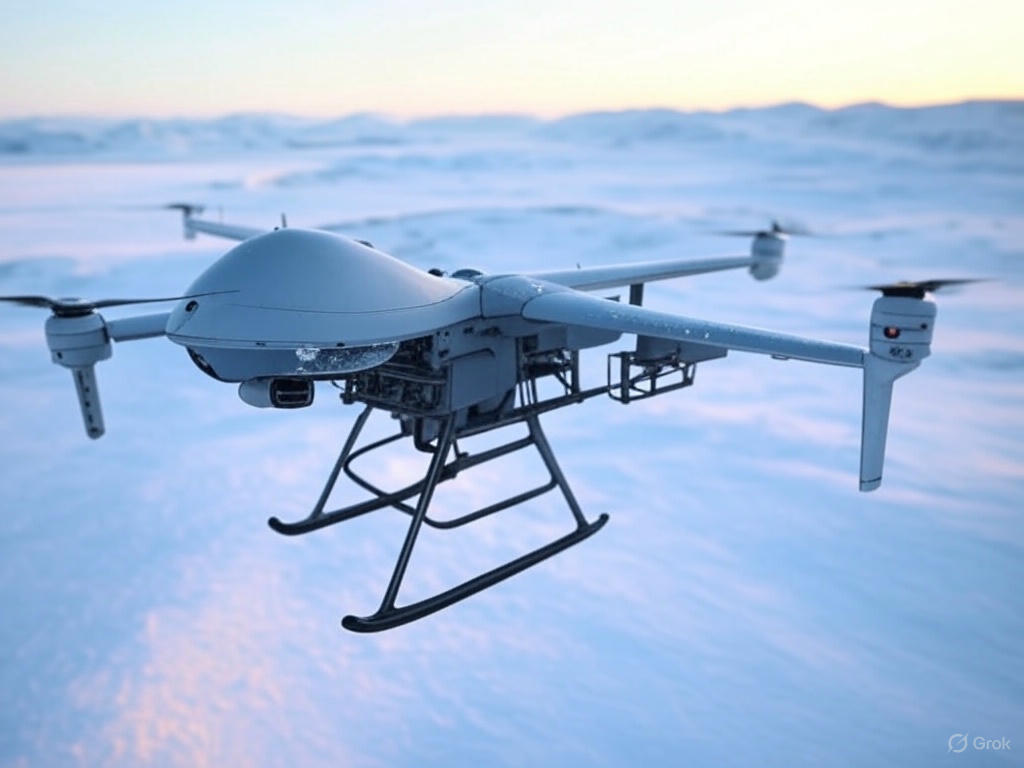
Russia is ahead of us in terms of development by about four to five years.
Among the key market players, the publication highlights the Russian company Zala Aero, which has been creating drones capable of operating at temperatures down to -40°C for several years. For example, one such device can stay in the air for about an hour even in extreme conditions. These technologies are actively used in Murmansk, where low temperatures are common.
At the same time, NATO countries face difficulties when testing their UAVs in northern latitudes. Sweden, Finland, and Denmark are investing significant funds in the development of similar systems. Finland, for example, purchased 2,000 drones from the French company Parrot, and Denmark allocated €400 million for the creation of long-range Arctic drones. However, as Tagesspiegel notes, climatic conditions remain a serious challenge for these projects.
Russian companies, such as Kronshtadt and ZALA Aero, are actively working on creating UAVs with advanced functions. For example, drones of the "Orion" and "Lancet" series use artificial intelligence for navigation and data analysis, which increases their accuracy and autonomy. According to sources, Russia is investing in the development of swarm technologies, allowing drones to interact in groups. This provides an advantage in the speed and scalability of production compared to European counterparts.
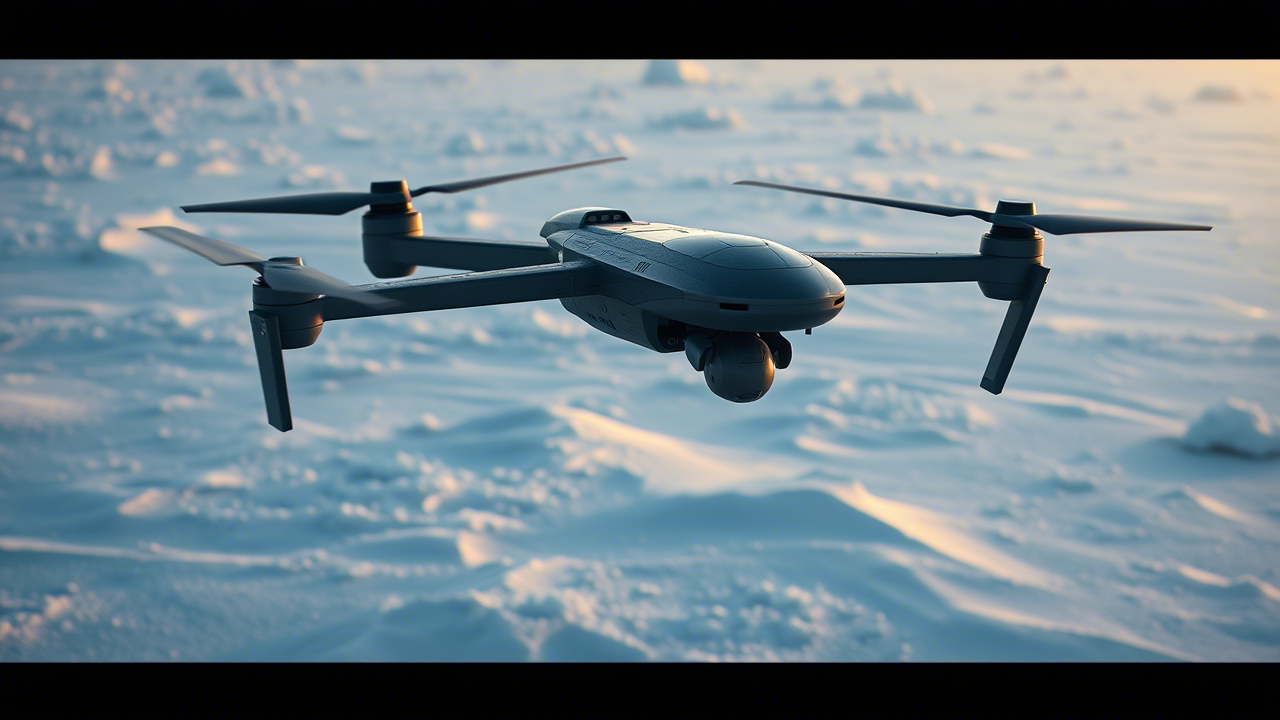
The Swedish expert noted that in Northern Europe, despite high-quality developments, the scale of production and integration of AI are lagging behind. NATO countries are "trying to catch up, but are increasingly failing due to the climate," while Russia is not only increasing production but also integrating advanced technologies. Nevertheless, the exact characteristics of Russian UAVs remain classified information, which makes a complete analysis difficult.
In Sweden, drone development is being carried out in cooperation between the National Defence Materiel Administration, the armed forces, and the Swedish Defence Research Agency.
In Finland, unmanned aerial vehicles have been actively used for two years, according to the publication. In 2023, the state purchased 2,000 drones from the French company Parrot for more than 2.5 million euros. These devices are capable of operating at temperatures below 30 degrees Celsius.
In 2025, Denmark plans to spend more than 400 million euros on the acquisition of Arctic unmanned aerial vehicles with increased flight range.
Read more on the topic:
Russia has sharply increased the production of Geran kamikaze drones
Russian craftsman creates a new type of reconnaissance drone with manual launch
Novosibirsk scientists test autonomous AI drone for delivering goods to remote areas
Never miss our newsAdd this site to your preferred sources to see us more oftenAdd on Google

















