The "Azimuth" manufacturing company, part of the "Rostec" Group, has provided the traffic police of the Ministry of Internal Affairs of one of the Russian republics with "BALKA" intelligent hardware and software systems (HSS) with photo and video recording. This innovative solution provides real-time traffic monitoring and records traffic violations.
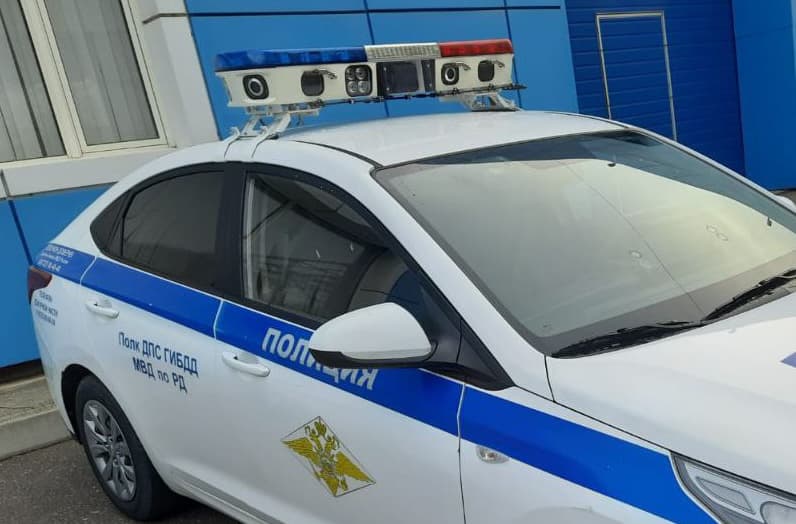
The system automatically detects speeding, records other offenses, and synchronizes with the Ministry of Internal Affairs databases. This makes it possible to quickly detect vehicles that are wanted.
Additionally, the system's functionality can be expanded with artificial intelligence modules that allow assessing road conditions, monitoring lighting systems and road signs, as well as the quality of road markings.
The elements of the HSS are mounted in a dust and moisture-proof housing, which is installed on the roof of patrol cars under flashing beacons.
The complex includes eight video cameras, a GLONASS navigation receiver, a radar module, an industrial computer, and a glass cleaning system. Control is possible remotely or via the "Azimuth" universal tablet installed in the patrol car.
Read more on the topic:
AI will wean you off typing messages while driving
In Moscow, a neural network will monitor unusual driver behavior
Now on home

Start of deliveries scheduled for 2027

Over 51,000 new motorcycles were sold in Russia in 2025

The car will take at least a year to assemble

The application's audience has reached 20 million users

The model will be included in the list of cars for taxis, price - from 2.25 million rubles
All parking lots of the "Administrator of the Moscow Parking Space" are connected to the service

The cars will be supplied to the Moscow Transport Service Directorate
Deliveries to India may begin in 2028
The technology provides automated search for all types of defects in power units
The plane flew 500 km, accelerating to 425 km/h

The plant stated that the information about the termination of purchases for models 6 and 8 is not true
Scientists are using the "Ekran-M" installation