AvtoVAZ spoke about the production of bodies for Lada cars.
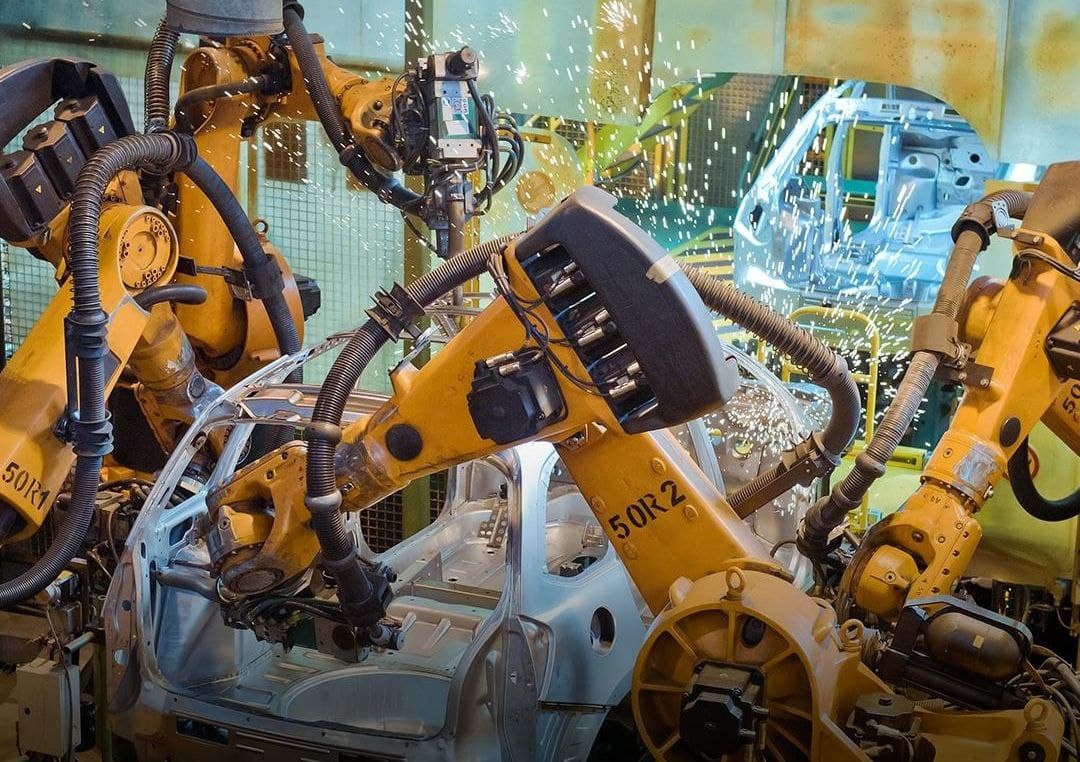
To create an average Lada car body, 600 kg of steel are used, and at the output it weighs about 400 kg. Approximately 200 kg are converted into scraps, which are recycled for further production.
The thickness of the metal in Lada bodies sometimes raises questions among consumers. The outer panels are made of sheets with a thickness of 0.6-0.8 mm. This often leads to criticism for the apparent fragility. "So, is the body made of foil? Bodies used to be different!"
However, the load-bearing elements responsible for safety are made of thicker sheets - from 1 to 1.5 mm and above, including high-strength steels. About ten types of steel are used in one body, differing in thickness, rigidity and coating. For example, on the Lada Vesta SW Cross model, the outer panels are made of galvanized steel, which gives them a light shade.
The body production process includes several stages - stamping, welding, painting and quality control. The geometry of the parts is checked at each stage, and the welds are tested using hydraulic pliers, tearing the metal to assess strength.
Earlierwww1.ru reported that AvtoVAZrestarted production of Lada Niva Travel with a leather interior.
Read materials on the topic:
AvtoVAZ clarified the situation with price increases for Lada
AvtoVAZ has started production of bodies for the latest Lada Niva Legend Sport model