By 2030, it is planned to deploy 292 active satellites of the Russian RASSVET system in near-Earth orbit, providing Internet coverage for remote regions of the country. The configuration has been approved by the government of the Russian Federation.
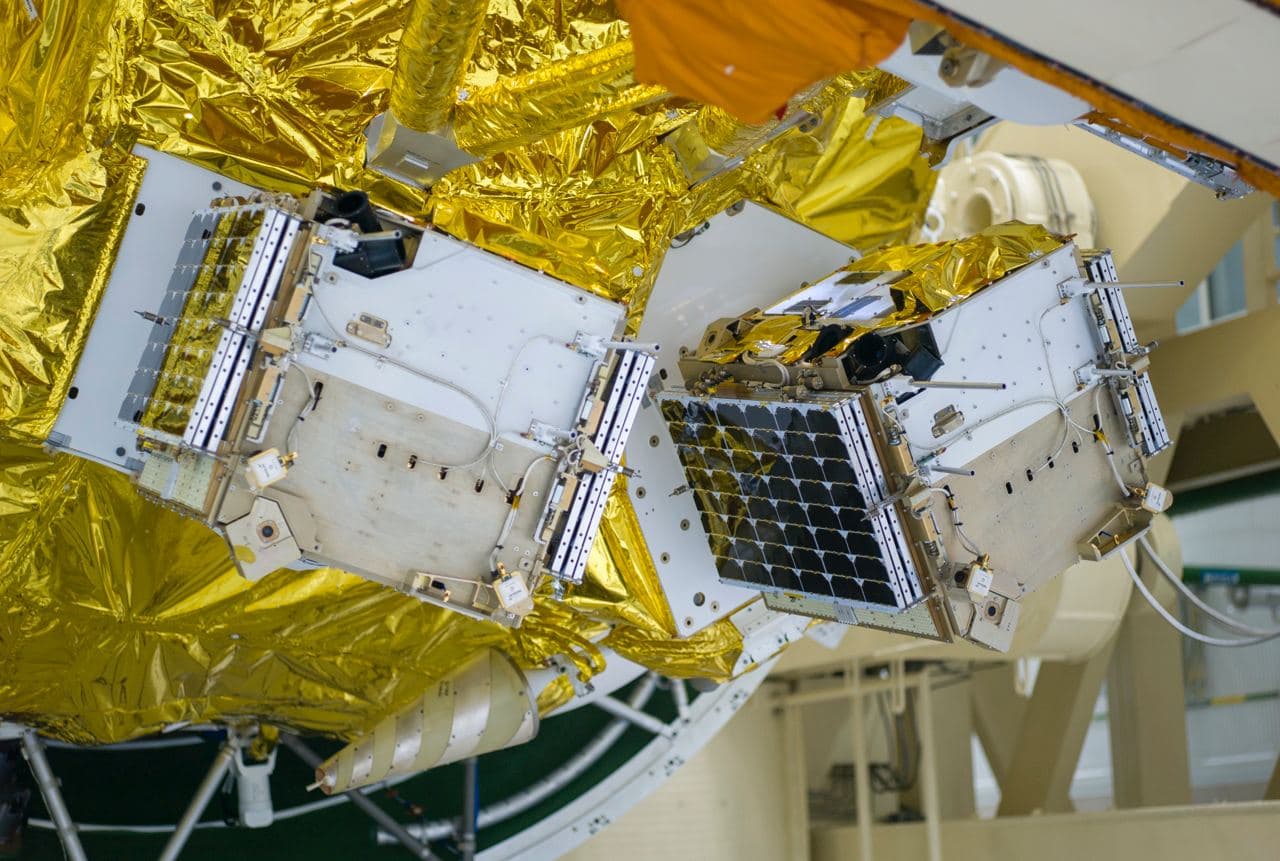
A reserve fund of 91 devices is intended to replace failed units, bringing the total number of launches to 383. The project, implemented by the company "Bureau 1440", will start in 2025, and by 2027 the main group should be put into orbit.
The satellites will operate at altitudes of 600 km (60° inclination) and 800 km (polar orbits), using inter-satellite communication in the 33/23 GHz bands. This configuration will cover the territory of Russia.
Experts note potential difficulties. Due to the low density of the orbital network - only 11-12 devices over the country at the same time - it will be necessary to use antennas with an increased diameter, which may increase the cost of user terminals.
The project is estimated at 445 billion rubles, of which 329 billion will be provided by the company, and 116 billion will come from the federal budget. This amount includes the cost of satellite production, the launch of 24 launch vehicles, and the orbital placement of the devices.
The active service life of RASSVET satellites is 5-7 years, which corresponds to world standards: similar Starlink and OneWeb also require regular updates.
Experts draw attention to the plans of "Bureau 1440" declared in the ITU. Thus, in addition to the current 383 devices, the company has reserved frequencies for 1350 satellites in inclined and 500 in polar orbits. This indicates a long-term strategy for expanding the system, although current agreements are limited to the basic configuration.
Read more materials on the topic:
Low-orbit breakthrough: Russia is preparing to launch a new generation satellite network by 2027
The company "Bureau 1440" has launched automated production of solar panels for satellites