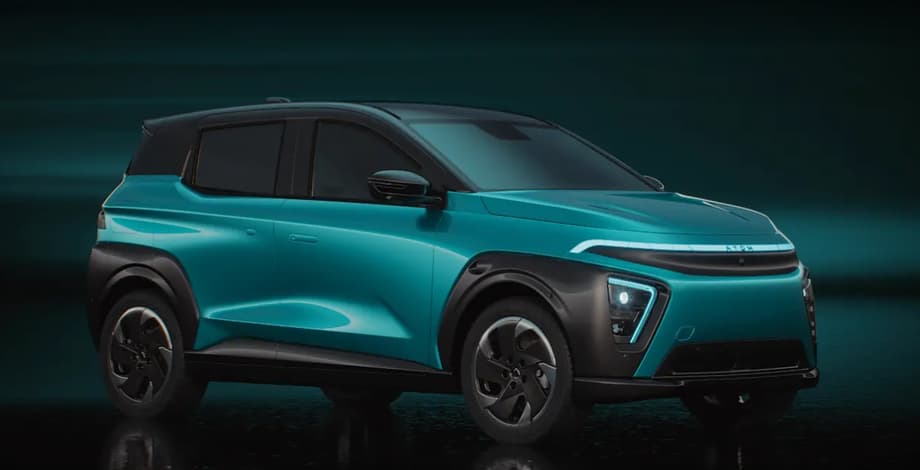
Bor Glass Factory (BZS) has officially become a supplier of glass for the Russian electric car "Atom". The manufacturer will offer innovative solutions, including a windshield with a wedge-shaped PVB film, which will allow projecting information directly onto the glass from the HUD augmented reality display.
The widescreen projection with an aspect ratio of 13:6 displays information without overloading the visual space. The image imitates an imaginary screen with a diagonal of more than 3 m in the driver's field of vision, which is perceived as located at a distance of about 12 m (like a road billboard).
In the standard configuration, the "Atom" glass will also receive a heating function, which will significantly increase comfort in cold weather.
The interior trim of the "Atom" will include 10 different types of artificial materials, including plastic, artificial leather and fabric. Two interior design options will be offered: dark and light.
To date, the "Atom" brand already has 105 thousand pre-orders from individuals and organizations, which indicates a high interest in the model. Prices for the electric car will vary from 2 to 4 million Rubles.
Earlier www1.ru reported that the newest Lada Iskra went on the road, footage of tests in real conditions under load appeared.
Read more materials:
A new pre-sanctioned Lada Vesta for 1.3 million rubles has appeared on sale in Russia
AvtoVAZ officially announced the start date for mass production of the new Lada Iskra
Now on home

Start of deliveries scheduled for 2027

Over 51,000 new motorcycles were sold in Russia in 2025

The car will take at least a year to assemble

The application's audience has reached 20 million users

The model will be included in the list of cars for taxis, price - from 2.25 million rubles

All parking lots of the "Administrator of the Moscow Parking Space" are connected to the service

The cars will be supplied to the Moscow Transport Service Directorate
Deliveries to India may begin in 2028
The technology provides automated search for all types of defects in power units

The plane flew 500 km, accelerating to 425 km/h

The plant stated that the information about the termination of purchases for models 6 and 8 is not true
Scientists are using the "Ekran-M" installation