Rostec has found a way to increase the strength of aircraft parts by 20%. UAC enterprises have begun producing parts with a bionic design, which borrows solutions suggested by nature for the power elements of the aircraft's airframe.
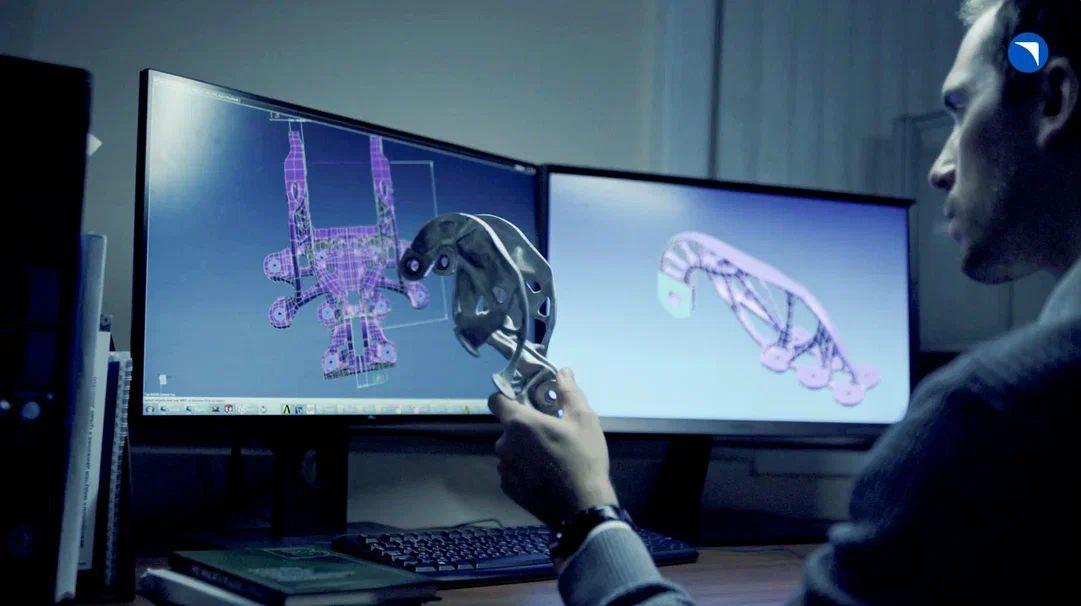
This approach is used in the design of components manufactured using additive technologies. These parts differ from traditional ones: they have branched and mesh structures resembling plants or mammalian bones.
One example of this approach is the bracket for the Su-57 aircraft, made by the Sukhoi Design Bureau. This is an aluminum part that looks more like a bone of a prehistoric animal than a regular part of a fifth-generation fighter. This bracket turned out to be 10% lighter than similar products made using traditional technologies, while its specific strength increased by 20%.
Bionic design, combined with additive technologies, saves expensive raw materials, including complex alloys and rare metals. It also leads to a reduction in material consumption by 10-30% in some cases, which has a positive effect on the cost of production.
Read more on the topic:
Unique technology of hollow fan blade for PD-14 developed in Russia
Rostec started developing a replacement for fighter pilots with artificial intelligence
Never miss our newsAdd this site to your preferred sources to see us more oftenAdd on Google

















