Russians are facing a wave of attacks not only on smartphones and laptops, but also on home personal computers. Kaspersky Lab warns that cybercriminals are interested in using the device for their own purposes. A home laptop or PC becomes part of a remote fraudulent botnet network.
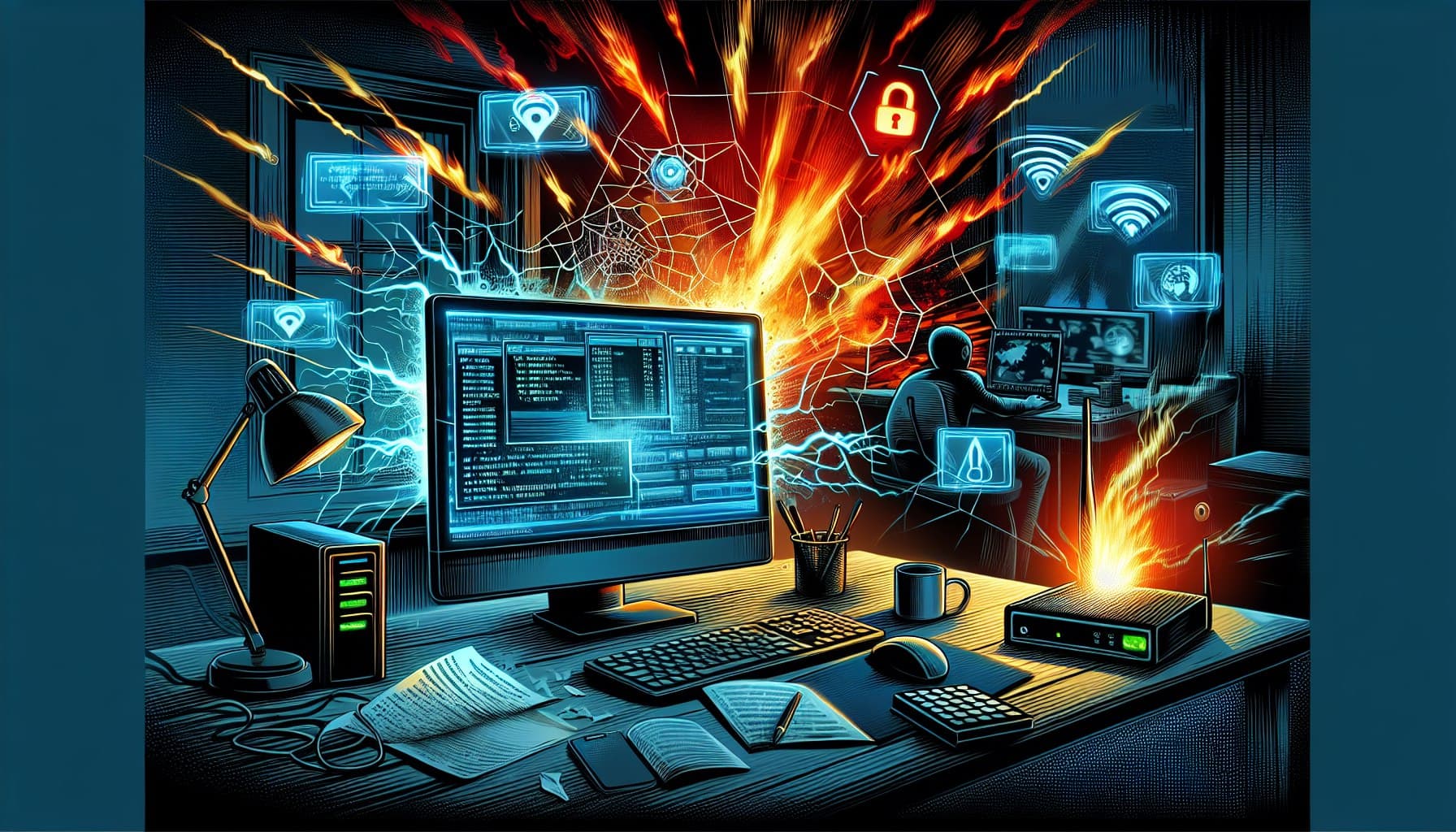
Attackers use various methods, such as phishing. They can send millions of emails offering to download and install malicious software. Such emails may use personal data (name, surname of the user) generated from stolen databases. When a person is addressed by name in an email, this increases the level of trust. When users download and install malicious files, their computers become part of a botnet - a network of infected devices. Out of tens of millions of emails sent, even a few thousand that users fell for and followed the links, installed programs, can provide attackers with access to valuable data. They can steal credit card information, bank details, and even gain access to corporate networks through home computers.
Hacked computers are used so that attackers can simulate working from a home device. For example, by redirecting network traffic through a hacked computer in Russia, cybercriminals can be in Asia or Europe, and create the appearance of accessing the Internet from a Russian home computer. The device owner will not know about this.
Cybercriminals also do not forget about stealing data from victims' devices. This is primarily banking data that users often save in browsers: it is stolen for financial fraud. They can also obtain other information stored on the device and in browsers: passwords from mailboxes, social networks, messengers, documents, photos.
Experts remind: you should not open suspicious emails, even if they address you by your first name and patronymic. You also cannot follow links in such emails. The rule also applies to messengers.
It is worth noting that fraudsters in letters and messagesmay pose as employees of the Ministry of Internal Affairs, the Prosecutor General's Office, the district court or another structure, and require you to fill out some form or document, by clicking on the link. At the same time, the victim can be intimidated in various ways, including criminal and administrative liability.
The main goal of fraudsters is to force the victim to click on the link in the message or email, steal their banking and other data, and gain access to the device. Lawyers advise: you cannot follow the links, you need to call back the government agency mentioned by the interlocutors. This should be done by phone number listed on the official website of such agency.
Read materials on the topic:
Be vigilant: top 3 most common fraudulent schemes in 2025
Fake RuStore infects Russian smartphones with a virus under the guise of Telegram Premium
Russians were told which password fraudsters will not be able to pick up