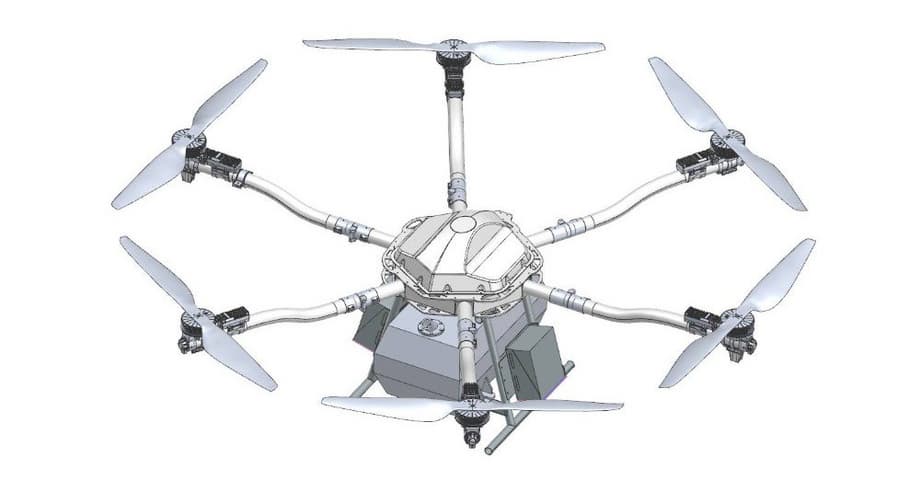
The Federal Air Transport Agency has approved the use of unmanned aerial vehicles with a multi-rotor design that can take off with a weight of more than 30 kilograms. These are the AHD-6 and Rubin A50 models. The type and developer certificates were received by VTS Jets.
The issuance of certificates for unmanned aircraft systems is an important step in strengthening the technological sovereignty of our country. This year, we have certified four drones at once.
Dobryakov emphasized that the company will continue to work to ensure that all certification procedures are as clear and convenient as possible for developers.
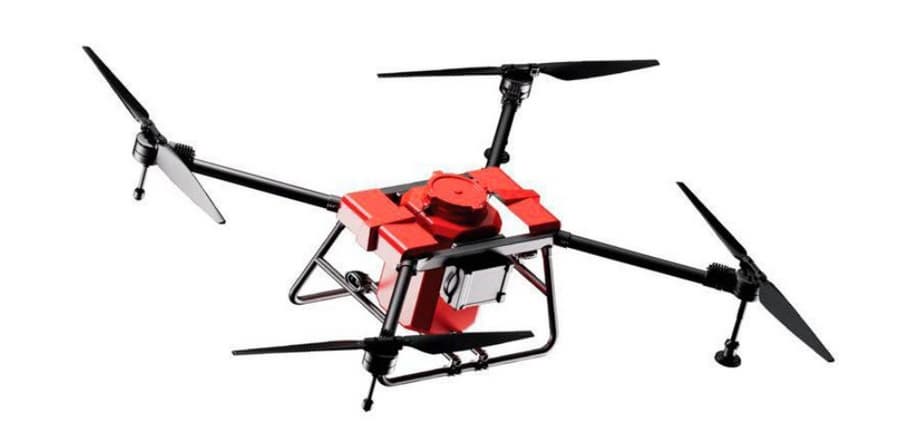
The AHD-6 and Rubin A50 UAS are designed for aviation-chemical and other works in agriculture at a height of up to 10 meters from the ground. These unmanned aerial vehicles can be equipped with a payload - a system for spraying liquid and solid chemicals.
The certificates that were issued are confirmation that the drones meet the requirements of the Federal Aviation Regulations. This means that they can fly and be in the general airspace.
Earlier, Russian President Vladimir Putin instructed the government todevelop unmanned aviation as soon as possible. This is necessary to ensure the country's technological leadership in this area.
Read materials on the topic:
Russia to Increase Drone Production Fivefold by 2030
Finds Sunken Ships, Studies the Seabed: What the New Russian Orkan Marine Drone Can Do
Russian Geoscan Drones with Quantum Magnetometers Have Learned to Find Gold Deposits
Now on home

Start of deliveries scheduled for 2027

Over 51,000 new motorcycles were sold in Russia in 2025

The car will take at least a year to assemble

The application's audience has reached 20 million users

The model will be included in the list of cars for taxis, price - from 2.25 million rubles

All parking lots of the "Administrator of the Moscow Parking Space" are connected to the service

The cars will be supplied to the Moscow Transport Service Directorate
Deliveries to India may begin in 2028
The technology provides automated search for all types of defects in power units
The plane flew 500 km, accelerating to 425 km/h

The plant stated that the information about the termination of purchases for models 6 and 8 is not true
Scientists are using the "Ekran-M" installation
Articles
-
Russian An-124 "Ruslan" Stuck in Canada for 4 Years and Accrues Millions in Fines
26 Jan 2026
-
Coaxial Propellers: How Counter-Rotation Increases Turboprop Engine Efficiency
25 Jan 2026
-
Kazan Aviation Plant Breaks Old System: Tu-214 to be Assembled Like Cars
25 Jan 2026
-
How Engineers and Technicians Are Paid Today in the Russian Aviation Industry: An Overview with Figures
24 Jan 2026