Russian engineers have adapted the lightly armored tracked vehicle "Plastun-SN" to counter autonomous or remotely controlled aircraft. This was reported by "Military Review".
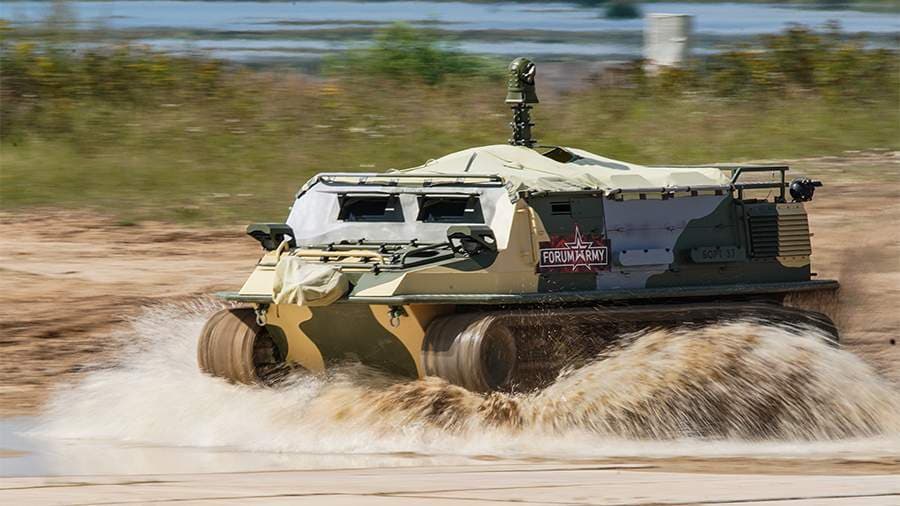
Powerful electronic warfare emitters and antennas have been installed in the rear of the vehicle, which are designed to prevent the approach of an air threat. In another configuration, the "Plastun-SN" is also equipped with a retractable lifting mast. A set of sensors is installed on its top, consisting of powerful ATM-75 optical cameras and RTR-900M IR systems. This equipment allows you to accurately determine the location of enemy drones.
The "Plastun-SN" is a multi-purpose vehicle weighing 4.6 tons, 4.8 m long, 2.5 m high and with a carrying capacity of 800 kg. It is equipped with a VAZ-21129 gasoline engine with a capacity of 106 hp, providing high cross-country ability, which works in tandem with a 5-speed manual gearbox and allows you to develop a maximum speed of 50 km/h.
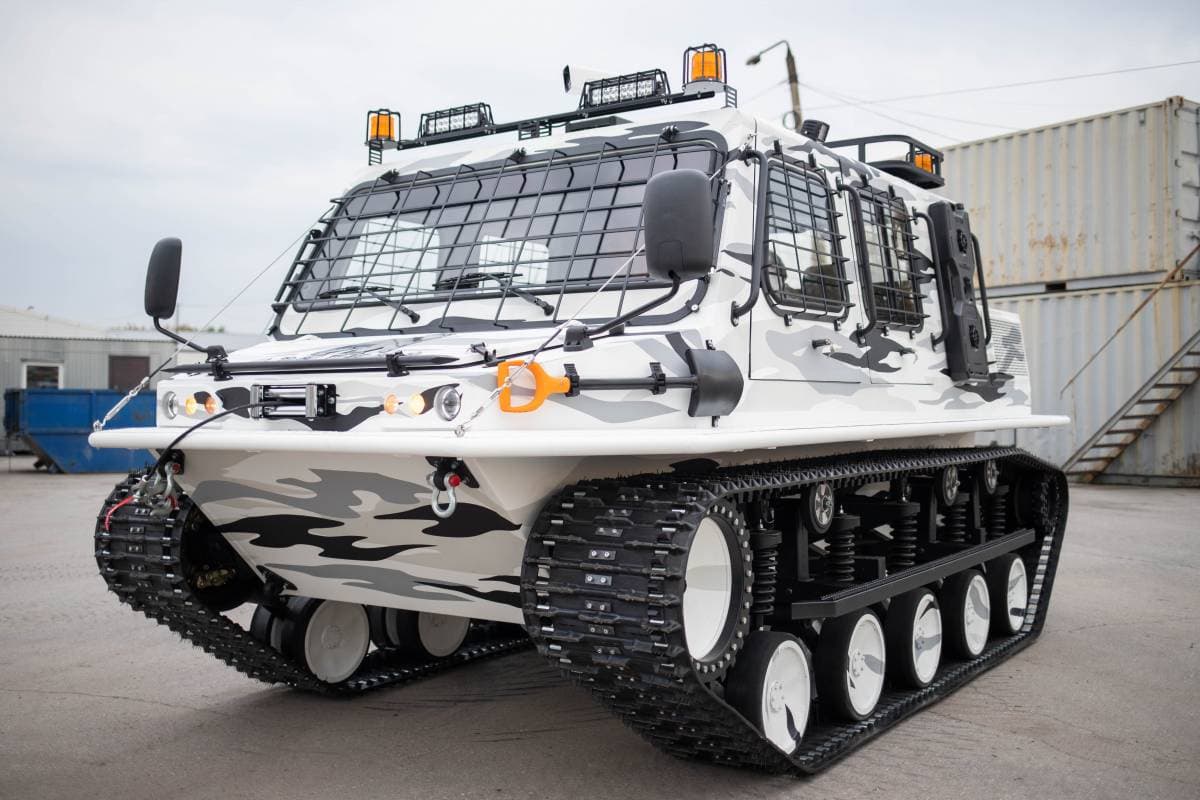
The "Plastun-SN" is a lightly armored all-terrain vehicle for evacuation. However, it can be used for other tasks, including reconnaissance and as a fire platform on which an 82 mm mortar is installed.
Earlierwww1.ru reported that in Russiadevelopedthe all-weather drone "Prygun-1". The drone was created for reconnaissance in the enemy's rear and flights in arctic conditions.
Read the materials on the topic:
"Krasnopol" against "Vampire": spectacular shots of the destruction of the Czech MLRS
Now on home

Start of deliveries scheduled for 2027
Over 51,000 new motorcycles were sold in Russia in 2025

The car will take at least a year to assemble

The application's audience has reached 20 million users

The model will be included in the list of cars for taxis, price - from 2.25 million rubles

All parking lots of the "Administrator of the Moscow Parking Space" are connected to the service

The cars will be supplied to the Moscow Transport Service Directorate
Deliveries to India may begin in 2028
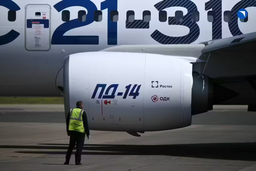
The technology provides automated search for all types of defects in power units
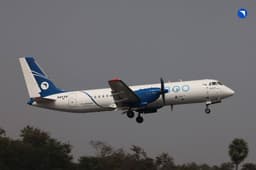
The plane flew 500 km, accelerating to 425 km/h

The plant stated that the information about the termination of purchases for models 6 and 8 is not true
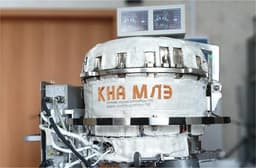
Scientists are using the "Ekran-M" installation