Translated with AI from the Russian original.
The Siberian Research Institute of Aviation named after S. A. Chaplygin (a "daughter" of the National Research Center "Institute named after N. E. Zhukovsky") announced flight tests of the second model of the Partisan unmanned aerial vehicle (UAV). This was announced by Sergey Sheifer, Head of the Department of Advanced Research at SibNIA, Head of the Partisan Project Laboratory.
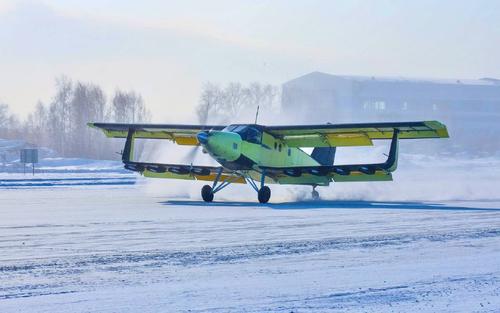
The creation of the UAV has been successfully completed.
The start of flight tests is scheduled for the spring of next year.
The drone is designed for use in extinguishing fires, transporting goods and passengers, rescue operations and in performing aviation and chemical work. "Partisan" is capable of taking off and landing on unprepared sites with dimensions of 50 by 50. Carrying capacity - up to 1000 kg, Maximum distance - up to 1000 km.
The first flight tests of the drone passed in February of this year. Now the developers are conducting additional tests to determine the maximum speed of the UAV.
Read materials on the topic:
Heavy Russian drone "Partisan" will be launched into series production in 2024
"Legioner" will be put on the conveyor: the company "Quiet Wings" will launch mass production of a cargo drone
"Motylek" with a unique engine: a heavy drone with an asynchronous engine was created in Zelenograd
Never miss our newsAdd this site to your preferred sources to see us more oftenAdd on Google

















