Russian electronic warfare (EW) systems on the front lines managed to cope with a counter-battery attack by the HIMARS system and divert the strike from the 2S43 "Malva" self-propelled artillery unit. As a result, damage to the domestic self-propelled gun was minimized, according to military expert Evgeny Damantsev.
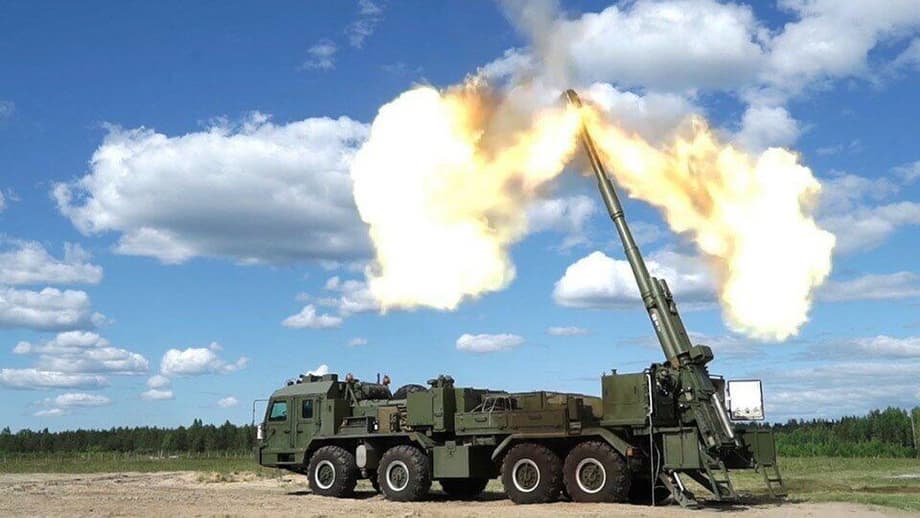
According to him, the EW unit increased the maximum circular error probable of the M30A1 GMLRS family shell from 35 to 50 meters.
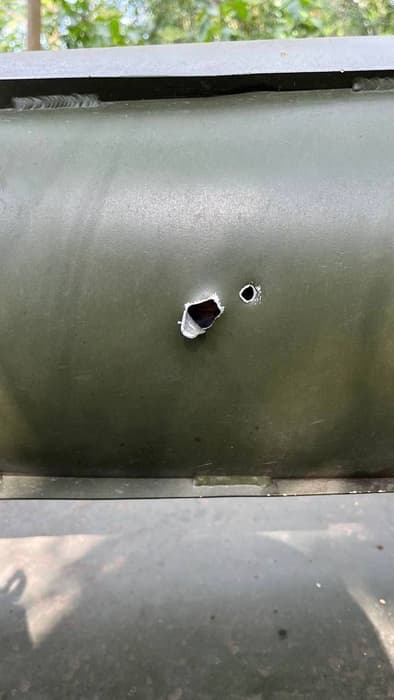
As a result, the munition went to the side, and the explosion of the shrapnel warhead with tungsten balls only slightly damaged some power elements of the self-propelled gun. The artillery part itself retained its operational condition, Damantsev noted.

Such a deviation may be due to the high efficiency of the EW equipment covering the "roaming" crew of the "Malva" self-propelled gun, operating in the L-band and suppressing the GPS-correction radio navigation channel of the GMLRS shell.
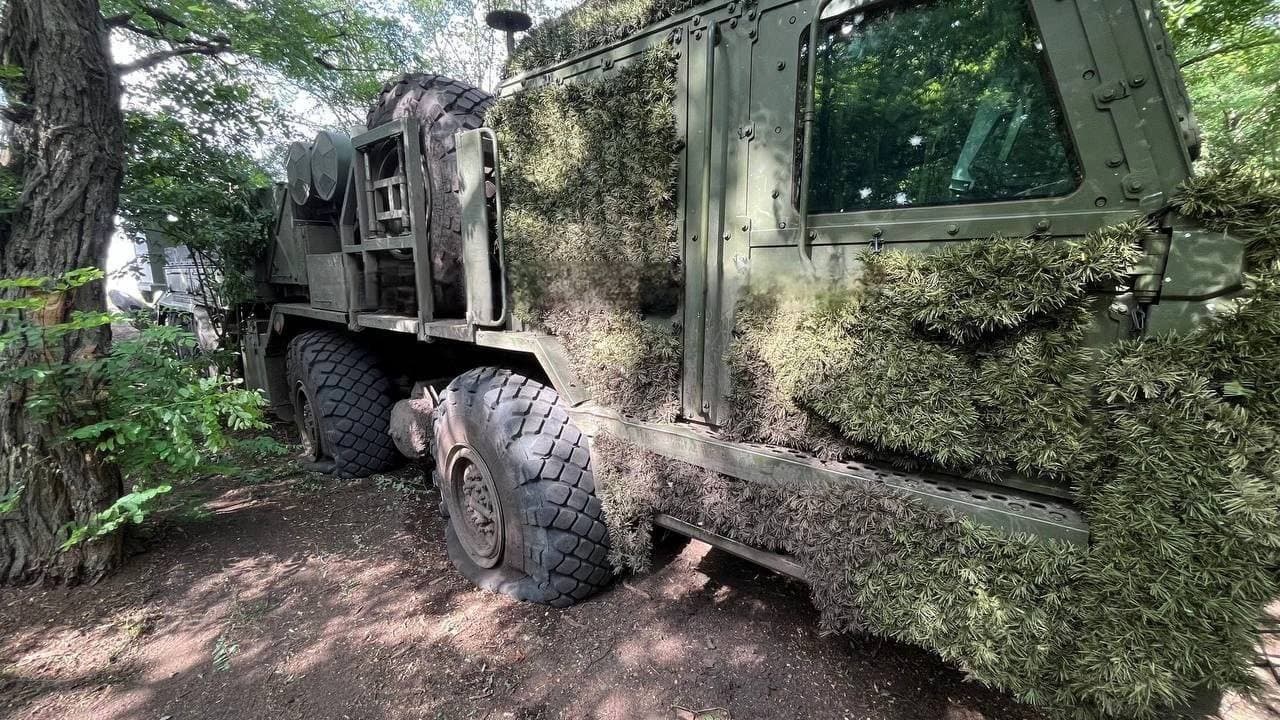
Earlier, www1.ru reported that the Russian TOS-1A "Solntsepek" flamethrower received a dome protection against enemy FPV drones.
Read materials on the topic:
Strength and power: Russian MiG-29K fighters will be able to carry Kh-59MK2 and Kh-38MTE missiles
Now on home

Start of deliveries scheduled for 2027

Over 51,000 new motorcycles were sold in Russia in 2025

The car will take at least a year to assemble

The application's audience has reached 20 million users

The model will be included in the list of cars for taxis, price - from 2.25 million rubles

All parking lots of the "Administrator of the Moscow Parking Space" are connected to the service

The cars will be supplied to the Moscow Transport Service Directorate
Deliveries to India may begin in 2028
The technology provides automated search for all types of defects in power units
The plane flew 500 km, accelerating to 425 km/h

The plant stated that the information about the termination of purchases for models 6 and 8 is not true
Scientists are using the "Ekran-M" installation
Articles
-
Russian An-124 "Ruslan" Stuck in Canada for 4 Years and Accrues Millions in Fines
26 Jan 2026
-
Coaxial Propellers: How Counter-Rotation Increases Turboprop Engine Efficiency
25 Jan 2026
-
Kazan Aviation Plant Breaks Old System: Tu-214 to be Assembled Like Cars
25 Jan 2026
-
How Engineers and Technicians Are Paid Today in the Russian Aviation Industry: An Overview with Figures
24 Jan 2026