In June 2024, Iskra Technology launched mass production of GPON technology home subscriber gateways at its production site in Yekaterinburg. This was announced by the company's press service last week.
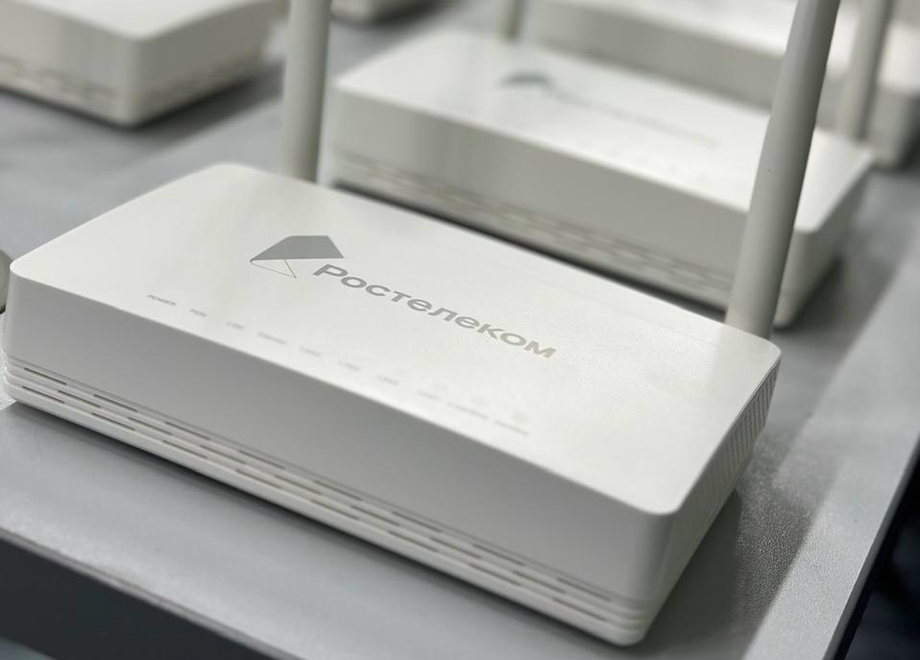
The production of subscriber routers is being implemented in cooperation with PJSC Rostelecom. The aim of the project is not only to meet the growing demand for high-tech equipment, but also to create new jobs. The current production capacity of the enterprise allows to produce several hundred thousand routers per year.
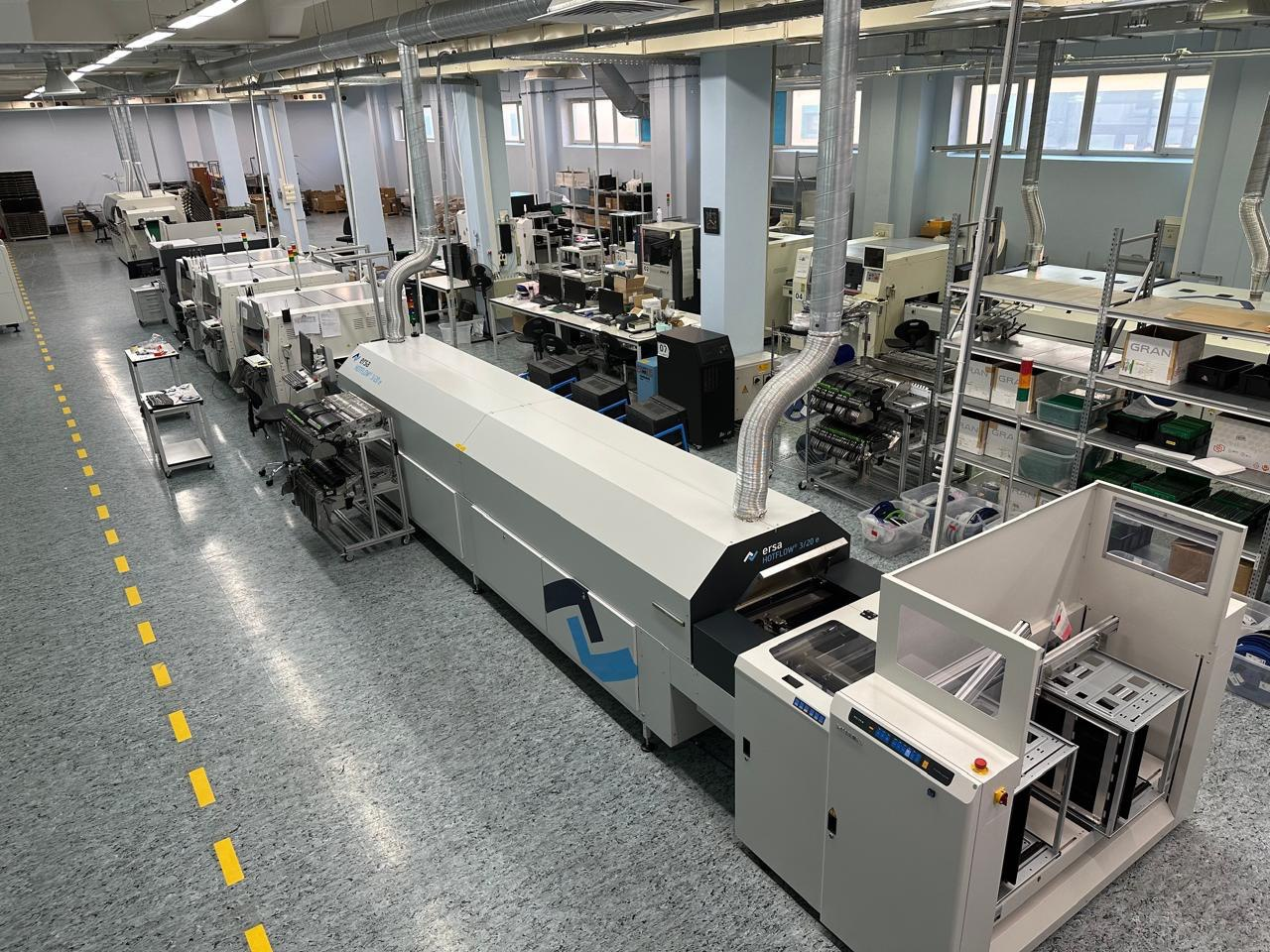
We are proud that our company is making a significant contribution to the development of the domestic telecommunications industry. Creating production in Russia allows us not only to expand the use of domestic electronic component base, but also contributes to the creation of new jobs and strengthening the technological sovereignty of the country.
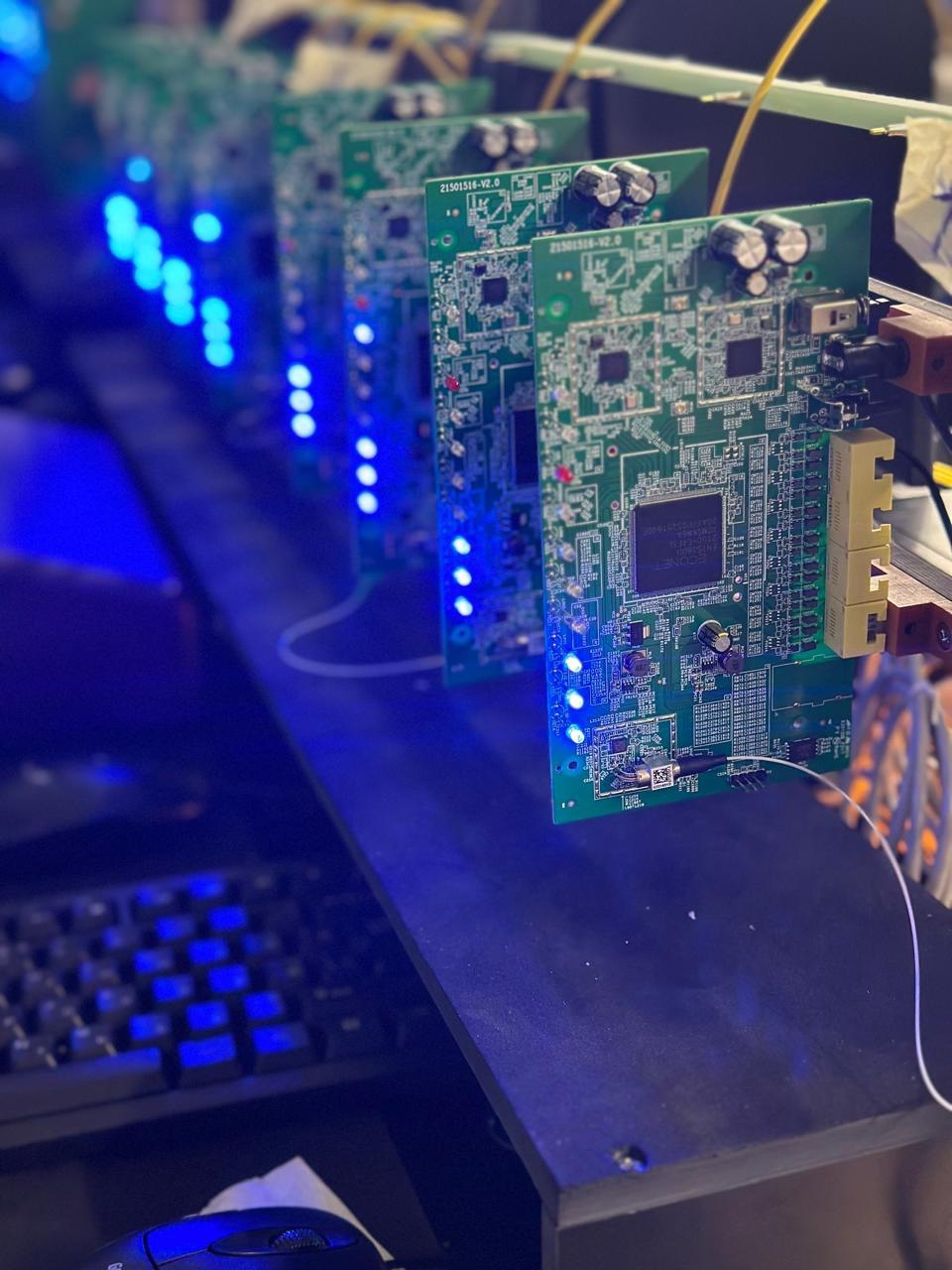
GPON (Gigabit Passive Optical Network) technology plays a key role in modern communication networks, providing high data transfer rates and connection stability. The development of GPON router production in Russia opens up new opportunities for strengthening the domestic market and reducing dependence on foreign suppliers in the context of sanctions.
Read more on the topic:
Aquarius to start producing Russian corporate Wi-Fi routers
Now on home

Start of deliveries scheduled for 2027

Over 51,000 new motorcycles were sold in Russia in 2025

The car will take at least a year to assemble

The application's audience has reached 20 million users

The model will be included in the list of cars for taxis, price - from 2.25 million rubles

All parking lots of the "Administrator of the Moscow Parking Space" are connected to the service

The cars will be supplied to the Moscow Transport Service Directorate

Deliveries to India may begin in 2028

The technology provides automated search for all types of defects in power units

The plane flew 500 km, accelerating to 425 km/h

The plant stated that the information about the termination of purchases for models 6 and 8 is not true
Scientists are using the "Ekran-M" installation