Translated with AI from the Russian original.
Specialists from the Cyclone Research Institute (part of the Ruselectronics holding) have created a neural network for optical means of detecting unmanned aerial vehicles (UAVs). The development will increase the range of drone detection by 40%, the company's press service reported.
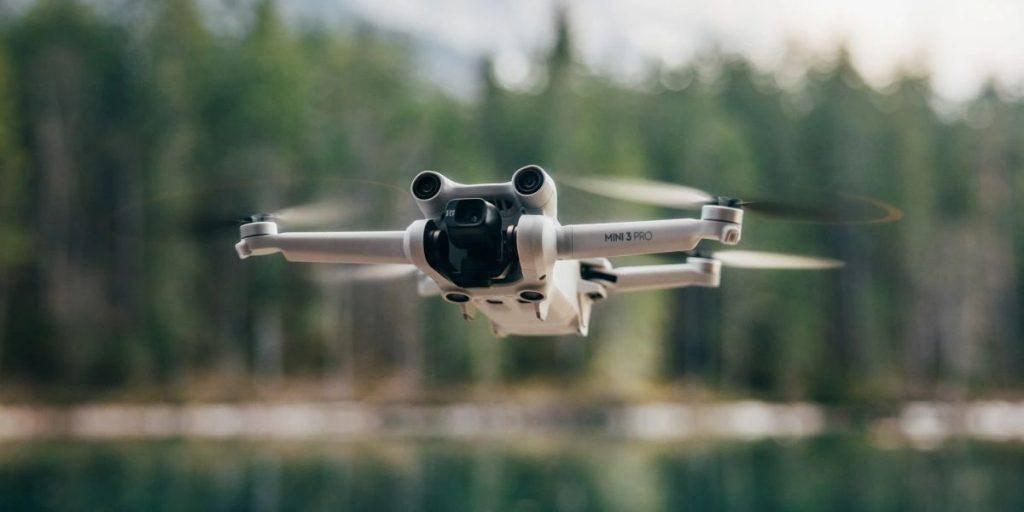
The neural network detects a drone in advance, classifies the model, and transmits data to the operator to assess the threat and take action. The innovation allows the anti-drone system to be switched to autonomous operation.
The new development is a symbiosis of several optimized neural networks. It is more effective in detecting UAVs compared to other analogues.
According to our approximate estimate, the created neural network, compared to similar IT solutions, is capable of increasing the range of UAV detection systems by approximately 40%. This technology can be used at various critical infrastructure facilities, as well as to protect private territory from illegal border violations.
The new UAV detector received high marks from experts. It won a prize at the "Digital Transformation Leaders" competition.
Earlier, www1.ru reported that the Tamerlan system for protecting objects from UAV attacks was created in Russia.
Read materials on the topic:
Project "Krylo" - An Analogue of NATO Systems: Chechen Developers Have Learned to Calculate Approaching Drones
AI Will Put Enemy Drones into a "Stupor": Russia Has New Complexes to Protect Objects from UAVs
Never miss our newsAdd this site to your preferred sources to see us more oftenAdd on Google

















