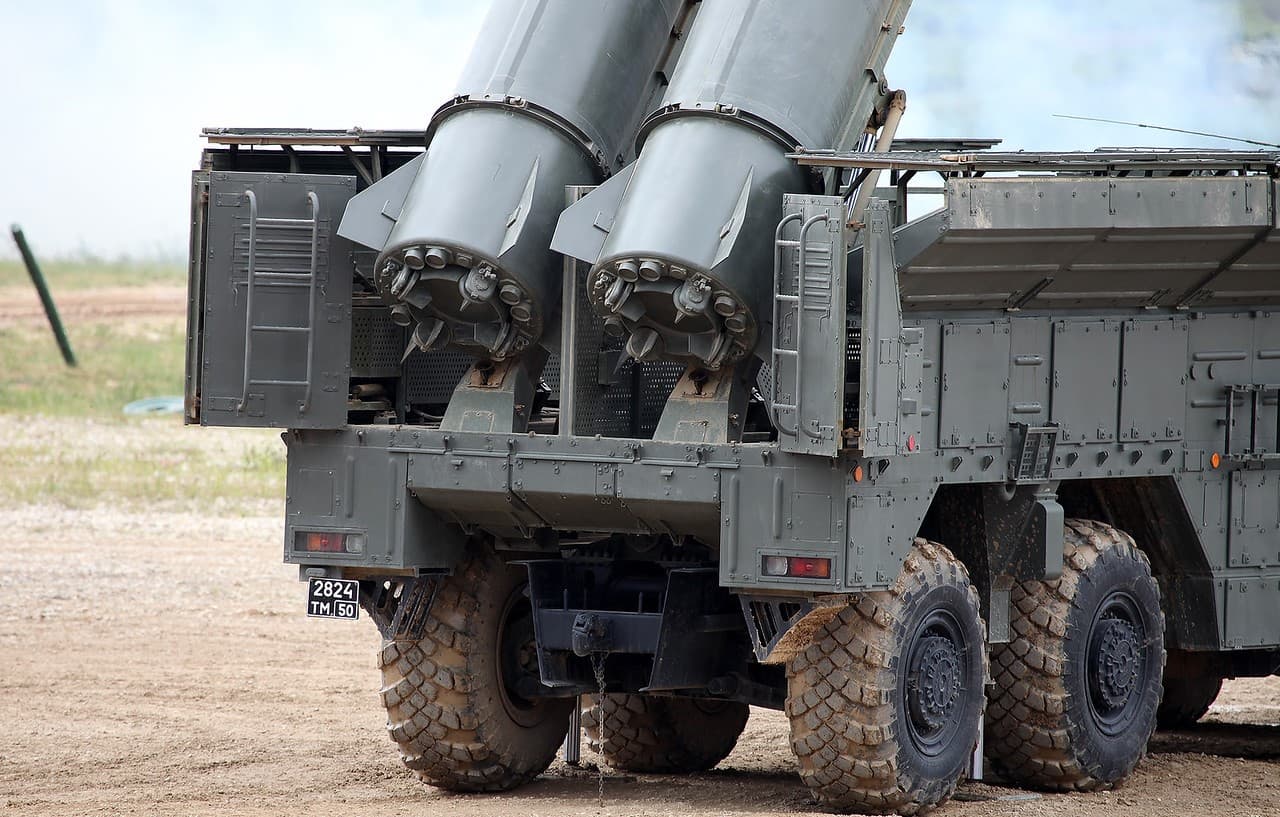
Russian military forces are using Iskander-M operational-tactical missile systems (OTRK) in exercises with non-strategic (tactical) nuclear weapons. The main feature of this weapon is a complex system of electronic warfare and counteraction to anti-missile defense (AMD) systems. This was stated by military expert Sergei Ptichkin.
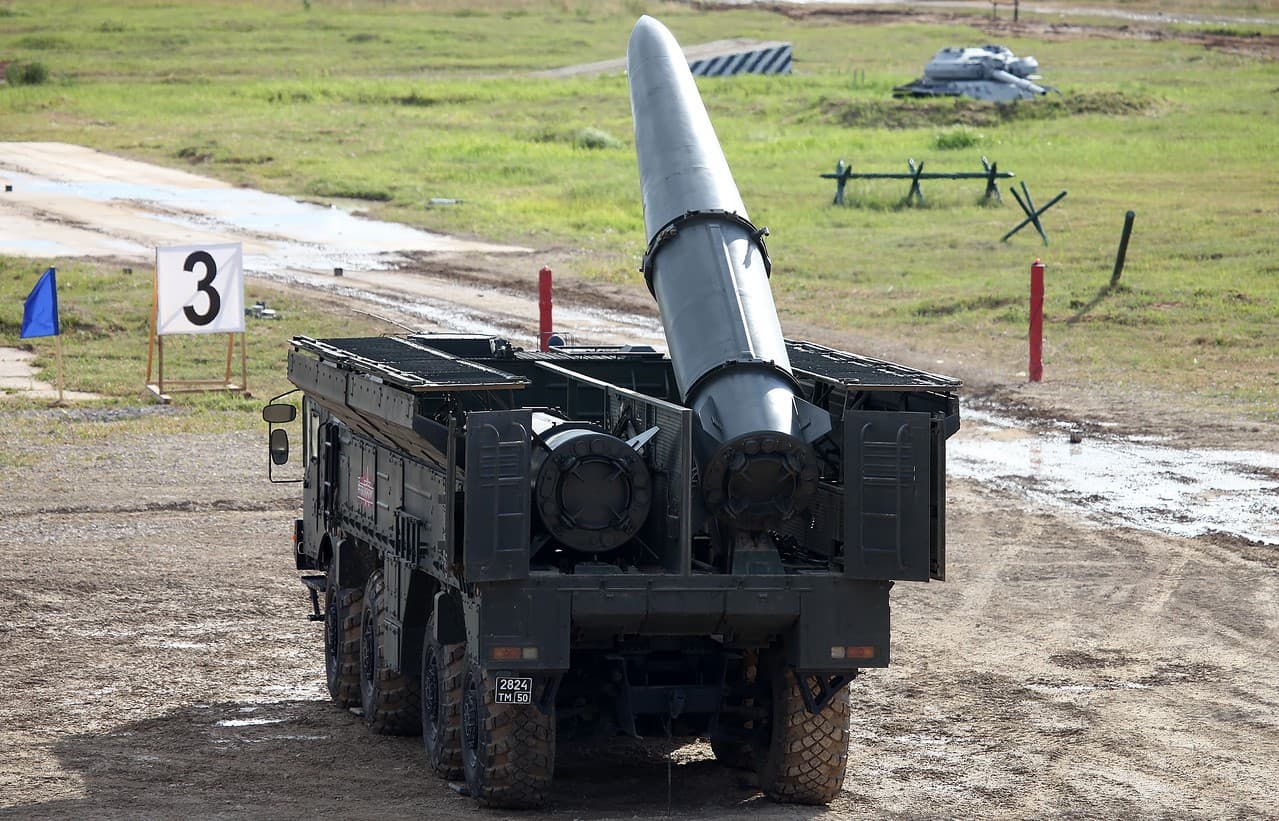
The Iskander-M OTRK replaced the Osa OTRK, which was considered the best complex in the world in the 1980s. US authorities secured the inclusion of a missile with a range of 400 km in the Treaty on the Elimination of Intermediate-Range and Shorter-Range Missiles (INF Treaty, signed between the US and the USSR in December 1987). The document also provided for the elimination of missiles with a range of more than 500 km.
However, during the 1990s, Russian engineers developed a new OTRK. It was named Iskander and entered service in the 2000s. At the same time, engineers were immediately warned that nuclear warheads were not provided for the complex.
We were entering, as it seemed, an era of global friendliness, new nuclear weapons were no longer needed. Alas, reality turned out to be not so good-natured.
Modernization of the Iskander-M OTRK for nuclear warheads
Later, the Russian Ministry of Defense decided to refine the complex. And in 2011, the Iskander-M OTRK, for which a nuclear warhead was provided, began to be supplied to the troops. The modernized weapon had unique characteristics.
There is no equal to it in the world. The modernized complex can fire both cruise and ballistic missiles
Features of the Iskander-M OTRK:
- missile flight altitude - 50 km
- missile range - 500 km
In the final section of the trajectory, the missile goes into a steep dive and hits the target, the deviation from the point of impact does not exceed a meter. This accuracy is ensured by inertial and optical guidance systems.
In addition, the missile creates false targets, similar to those possessed by strategic Yars. Its missile defense counteraction system displays a chain of false targets, among which is the missile itself. Enemy radars see many targets flying at the same speed. When the warhead enters the dense layers of the atmosphere, an electronic warfare module also flies behind it, diverting enemy interceptor missiles.
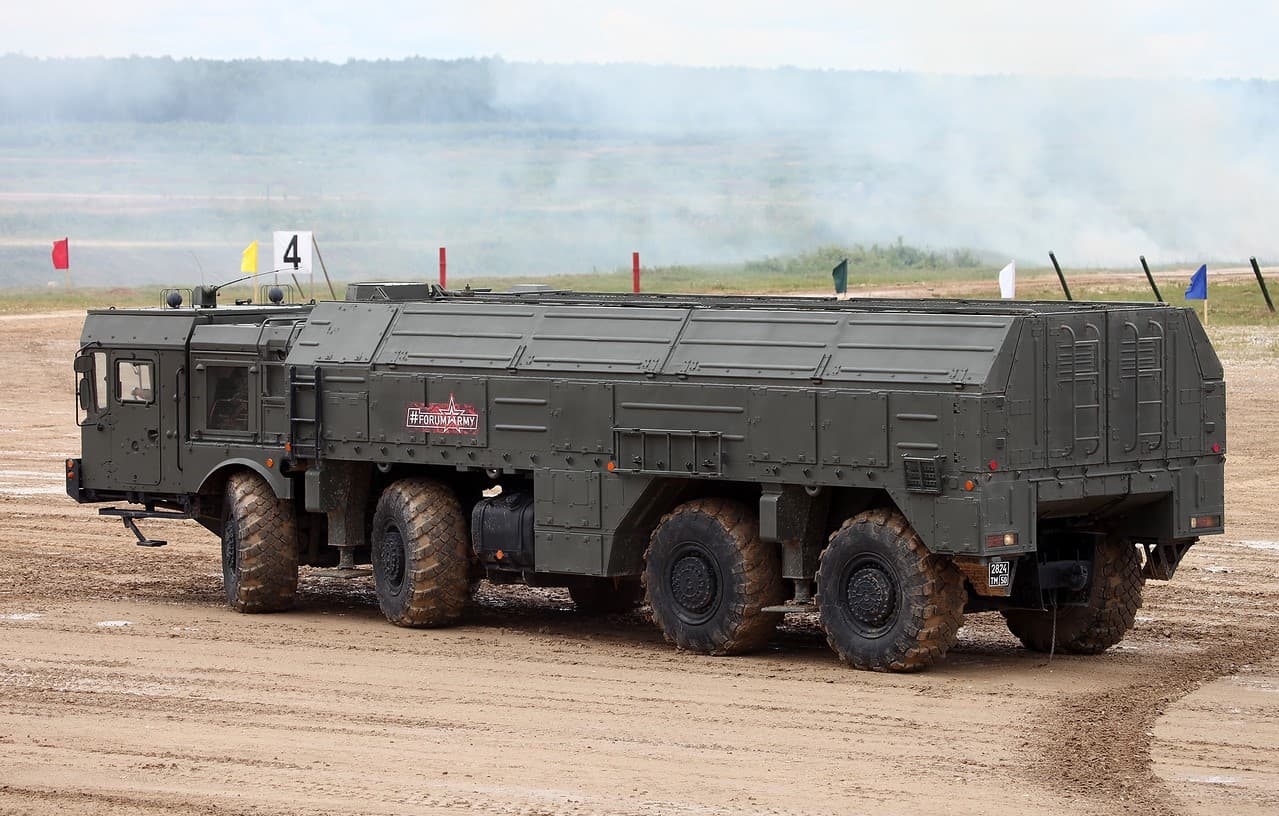
The warhead flies at hypersonic speed and reaches the target, completely eliminating it. The high-precision Iskander-M missile can also hit an aircraft carrier. Therefore, it is considered a major threat, including to the fleet.
Read more on the topic:
The first stage of exercises on the use of non-strategic nuclear weapons has begun in Russia
Which countries have conducted nuclear exercises in the past week
The US was frightened by the Russian Antei submarines carrying Poseidon drones with nuclear warheads











