Translated with AI from the Russian original.
UAC has patented a "smart" drone that works both in tandem with a military aircraft and independently, drawing conclusions about whether to strike or not.
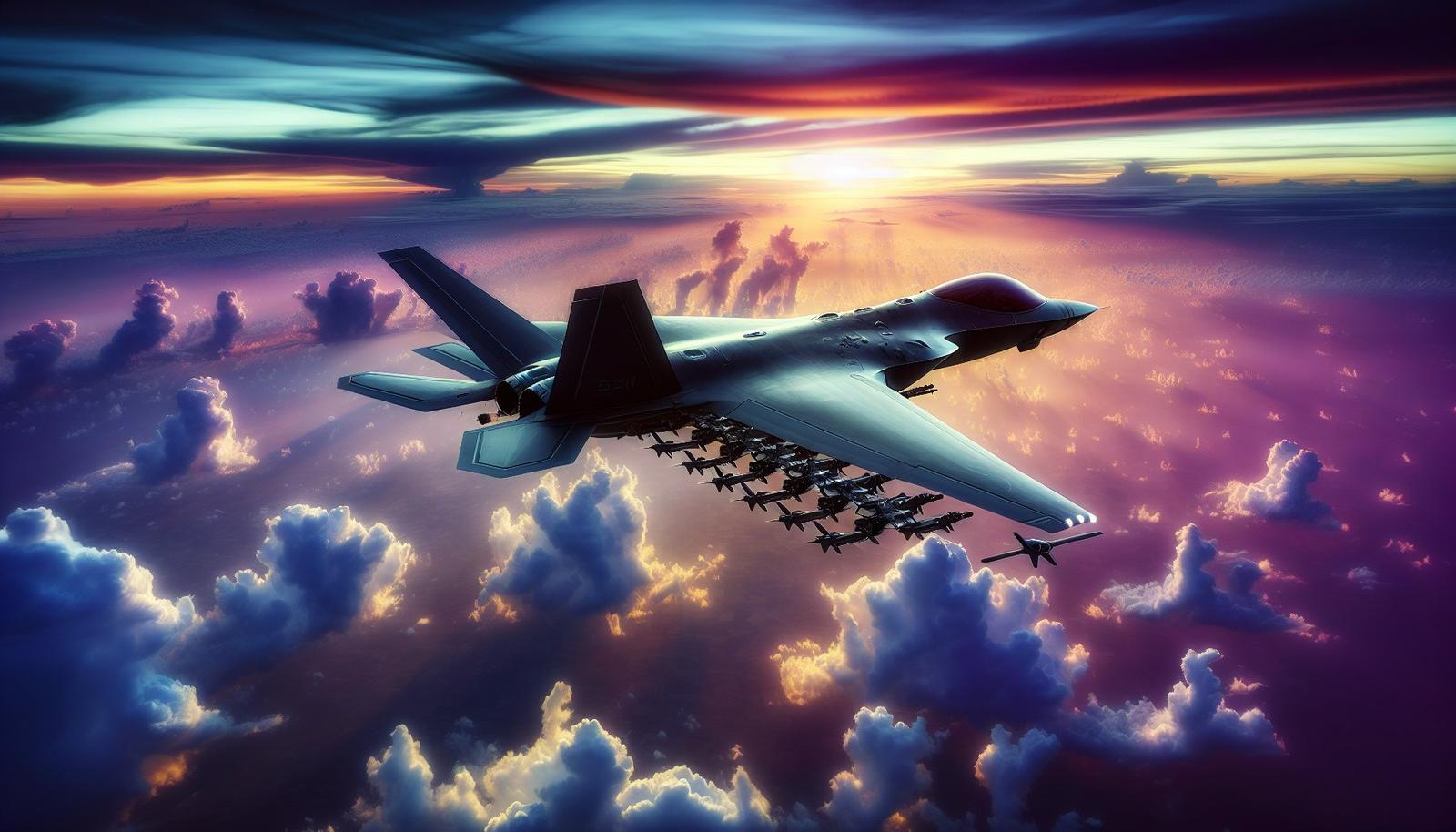
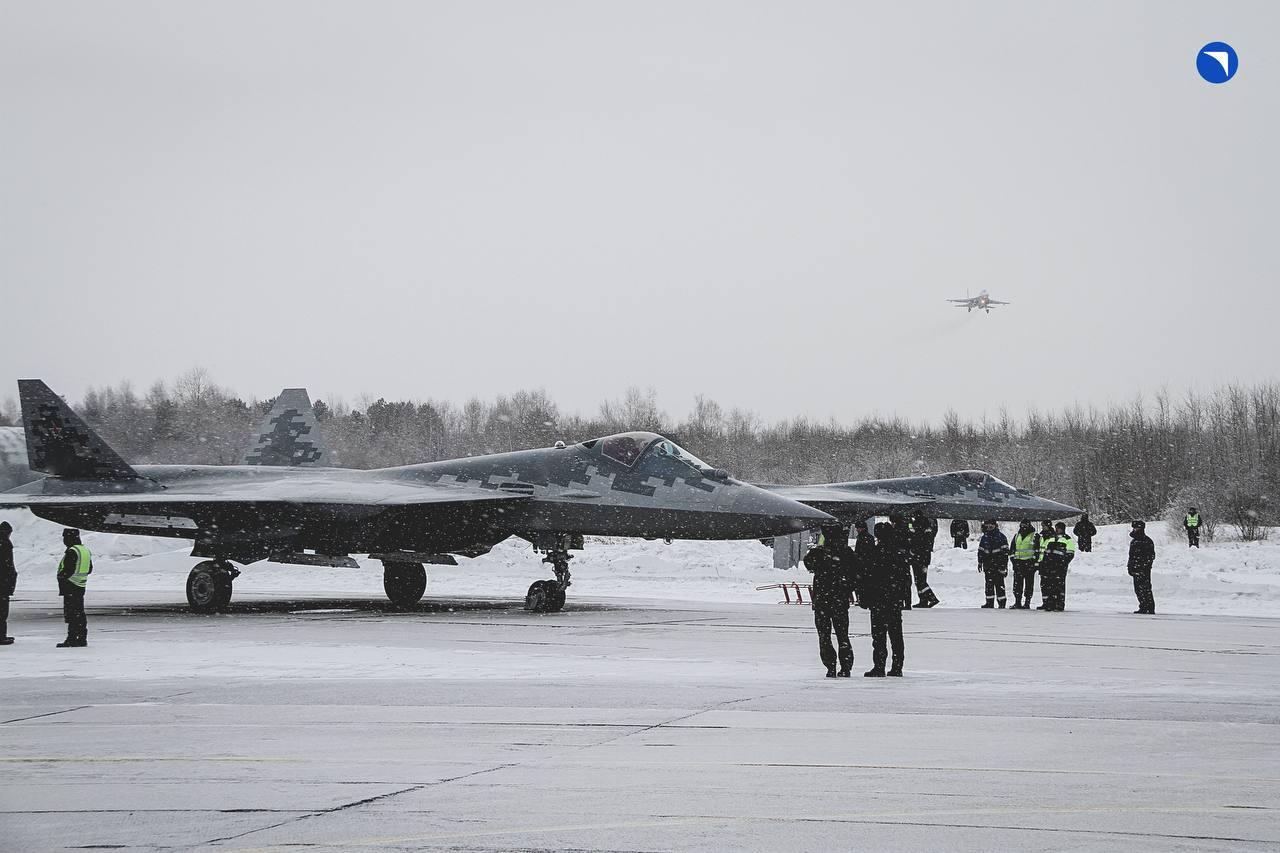
It has long been known that Russian designers are developing such a symbiosis of aviation and unmanned technology. In particular, the Okhotnik strike drones will soon be able to work in tandem with military fighters,which have in their arsenal guided missiles and bombs, as well as unguided bombs in the internal compartment and on the suspension. Serial assembly of the Okhotniks will begin in the second half of 2024 by specialists at theChkalov Novosibirsk Aviation Plant. In December 2023, the Sukhoi Design Bureau alreadyshowed the concept of its kamikaze drone, which will reinforce the Su-57 fighter by attaching to its external suspension. And in February 2024, the scientific director of the State Research Institute of Aviation Systems (GosNIIAS), Evgeny Fedosov,said that manned aircraft and drones as wingmen will be included in the Russian combat aviation group of the sixth generation.
However, in the previously announced versions, the drone obeyed the carrier aircraft or acted as its support in the air independently of the aircraft. In the case of UAC, according to the Telegram channel "Bespilot", the "smart" drone arrives at the work site on the external suspension of the carrier aircraft, is dropped from it, and then can independently make decisions about attacking an object that fits the specified characteristics. For the attack, it has a warhead: a high-explosive charge, a high-explosive fragmentation charge, a high-explosive fragmentation incendiary charge, or a cumulative charge.
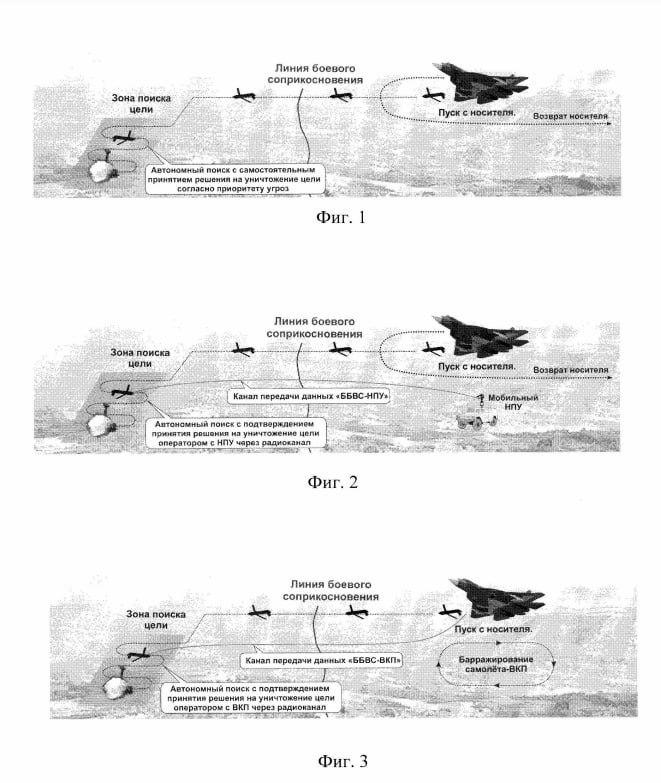
After separation, the drone maintains communication with both its carrier aircraft and the operator via control. The drone's own "brains", if you rely on them, are an on-board intelligent search and guidance system based on trained neural networks.
It docks with the drone's optical system, which consists of a camera that operates in the visible or infrared wavelength range. Another version of the drone is also possible: its optical system has the form of a whole system of universal cameras that can operate in both ranges. Target detection and recognition by the cameras will be possible at any time of the day and in any meteorological conditions.
Before attacking a ground control point or an air command post, the drone transmits reconnaissance information about the detected targets, telemetry information about its operability and coordinates, and video footage of the target before it is hit. More detailed characteristics of the drone are not yet available.
Read more on the topic:
Neutralizes even "Petals" - Rostec showed the modernized MGR-4 "Shmel"
"Keep your powder dry": Russia has launched a program to repair military airfields
Thousands of leaflets and shells - Russian drones have been taught to drop a new cargo
Never miss our newsAdd this site to your preferred sources to see us more oftenAdd on Google

















