The new contact poster option on Apple devices with iOS 17 has been found to be vulnerable to scammers. The vulnerability was discovered by the development team of Yandex's automatic caller ID.
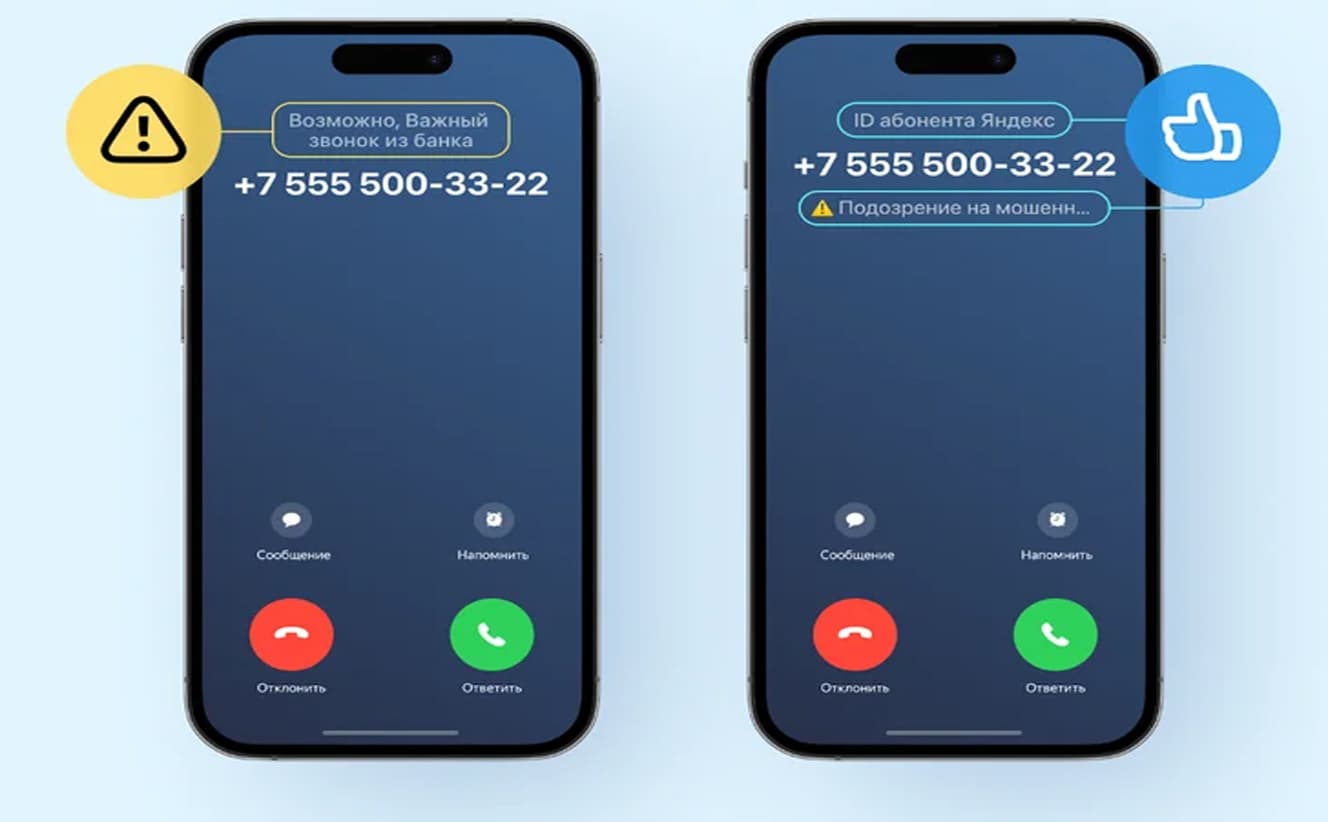
That is, scammers can write "Bank Security Service" or "General Prosecutor's Office" instead of their first and last name, put the bank's logo or the emblem of a government authority as an image, and start calling victims.
The identifier's hint that this number is suspicious does not work immediately. Databases of unwanted contacts with scammers' numbers are not formed instantly. But you can check a suspicious number through Yandex. To do this, you need to open information about it in the call list, click "Share Contact" and select "Check in Yandex".
Yandex developers have already reported the situation to Apple. They have proposed their solution to eliminate this potential iOS 17 vulnerability. It's simple: not everyone will be able to see the user's poster, but only his contacts from the phone book. Until the vulnerability is eliminated, users need to be more vigilant.
Visually, the posters and hints of the automatic caller ID in the Yandex application with Alice differ from each other. If you see the caller ID data, the screen will indicate which application provided it (in the case of our service). If there is no application name, it means that the potential interlocutor himself indicated information about himself, which may be false. Also, iOS 17 adds a "Possibly" or "Maybe" mark before the poster - this will also help distinguish the attacker's inscription from the caller ID data
Smartphone owners are also reminded that they should not answer suspicious calls. If you do pick up the phone and are still talking, never tell the caller your passport details and confirmation codes from SMS.