Translated with AI from the Russian original.
When comparing the Russian BMP-3 with the Bradley, the conversation almost always comes down to armor, guns, and electronics. But there is one feature that much better shows the difference between the military schools of Russia and the USA.
"Pervyy Tekhnicheskiy" explains why the BMP-3 can immediately ford a river by swimming, while the Bradley requires special engineering preparation for this. Spoiler – the reason is not in technology.
The river as part of the battlefield
Soviet designers created the BMP for a large-scale war in Europe, where troops would have to overcome hundreds of rivers, canals, and water obstacles. Therefore, buoyancy became a mandatory requirement even at the design stage.
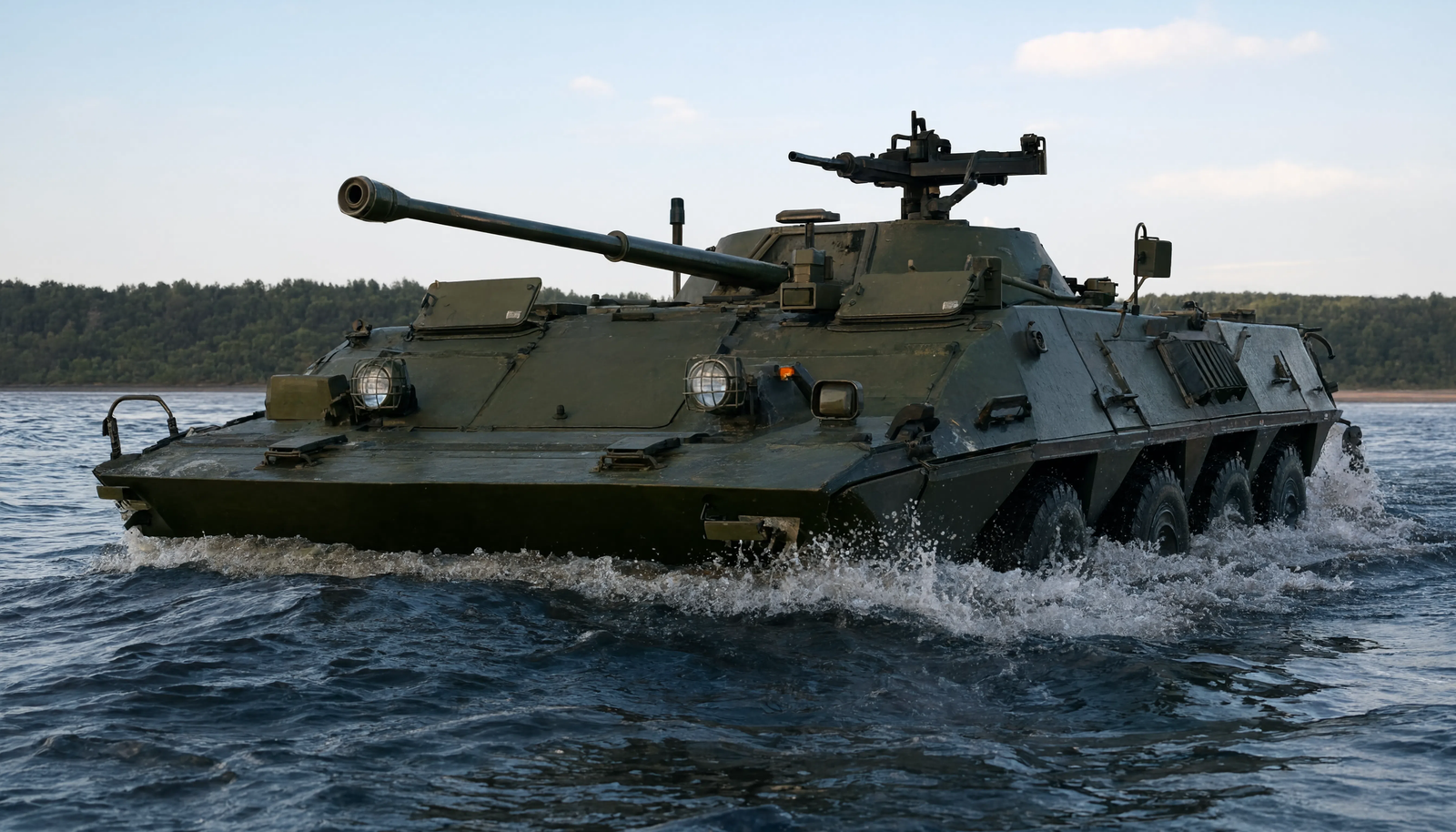
The BMP-3, weighing about 18.7 tons, received a sealed hull, water jets, and the ability to move on water at speeds up to 10 km/h with virtually no preparation.
Moreover, the vehicle is capable of firing even while afloat, which remains a rare capability for armored vehicles of this class.
Why Americans chose armor
The USA had a different task. The American army expected to fight with complete air superiority and the presence of developed engineering units. Therefore, Bradley designers focused on crew protection.
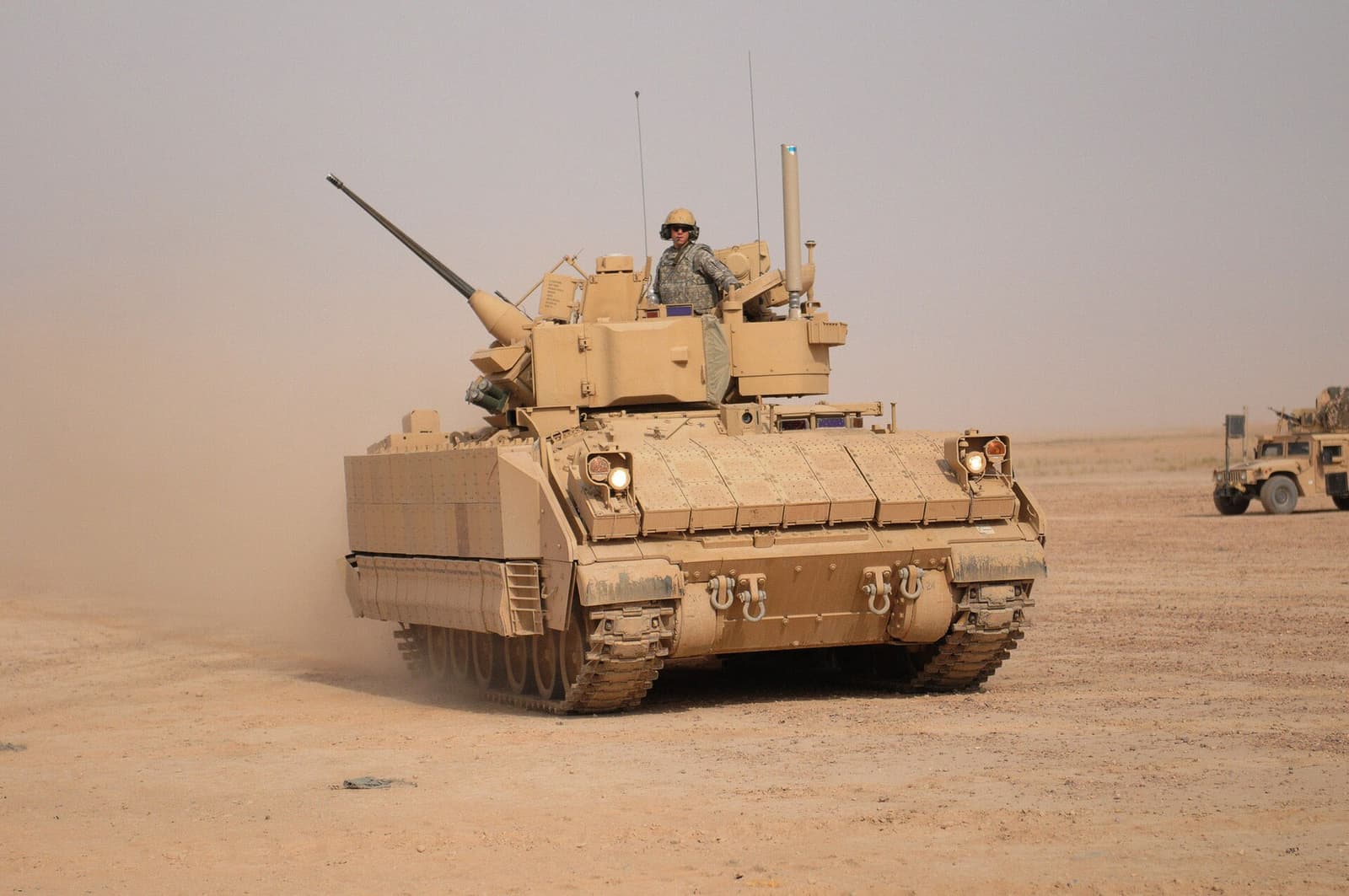
Additional armor came at the cost of weight. While the BMP-3 weighs less than 19 tons, the Bradley in various versions has long exceeded 30 tons.
As a result, the American vehicle received better protection, but effectively lost the ability to independently overcome serious water obstacles.
Who was right decades later
Some consider buoyancy a relic of the Cold War, others remind that bridges and crossings become primary targets for strikes. After all, if a bridge is destroyed, floating equipment retains freedom of maneuver where heavy vehicles are forced to wait for engineers.
Therefore, the BMP-3's ability to float is not a technical whim of the designers. It is a legacy of Soviet military doctrine, in which the speed of advance and the ability to instantly ford a river were considered no less important than armor thickness.
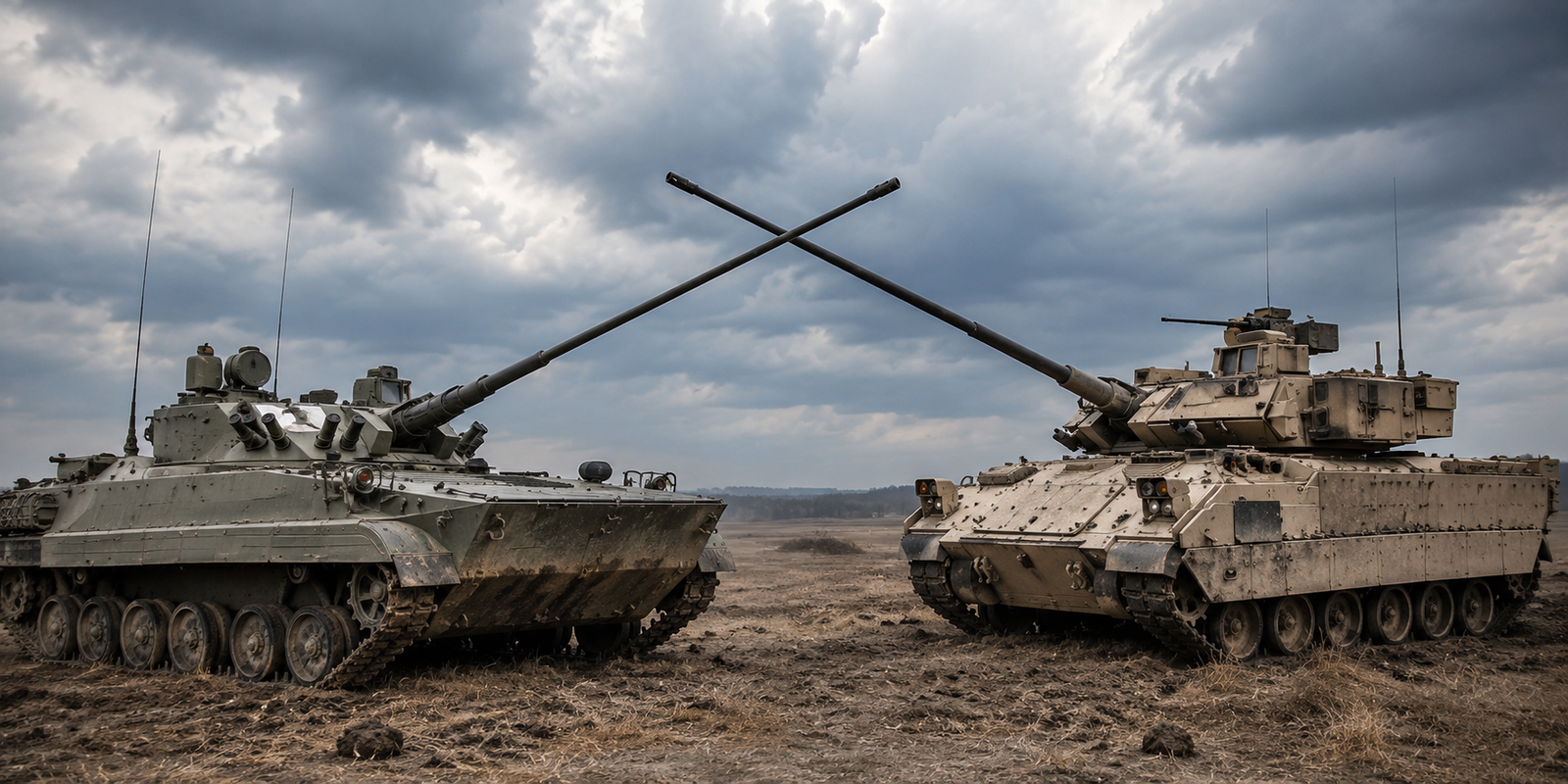
That is why the Russian vehicle still confidently stays on the water, while its American competitor prefers to stay on shore.
Read more on the topic:
Never miss our newsAdd this site to your preferred sources to see us more oftenAdd on Google











Comments (4)