The Tu-22M3 remains one of the most famous long-range aircraft in Russia. Despite the age of its design, this supersonic missile carrier is still considered a dangerous carrier of long-range weapons and regularly appears in the news.
"Pervy Tekhnichesky" answers the three most popular questions about this aircraft.
How many Tu-22M3s does Russia have left?
According to open sources, the Russian Aerospace Forces have several dozens of combat-ready Tu-22M3s. Foreign experts usually estimate the fleet at approximately 55–60 aircraft of various modifications, but official information is classified.
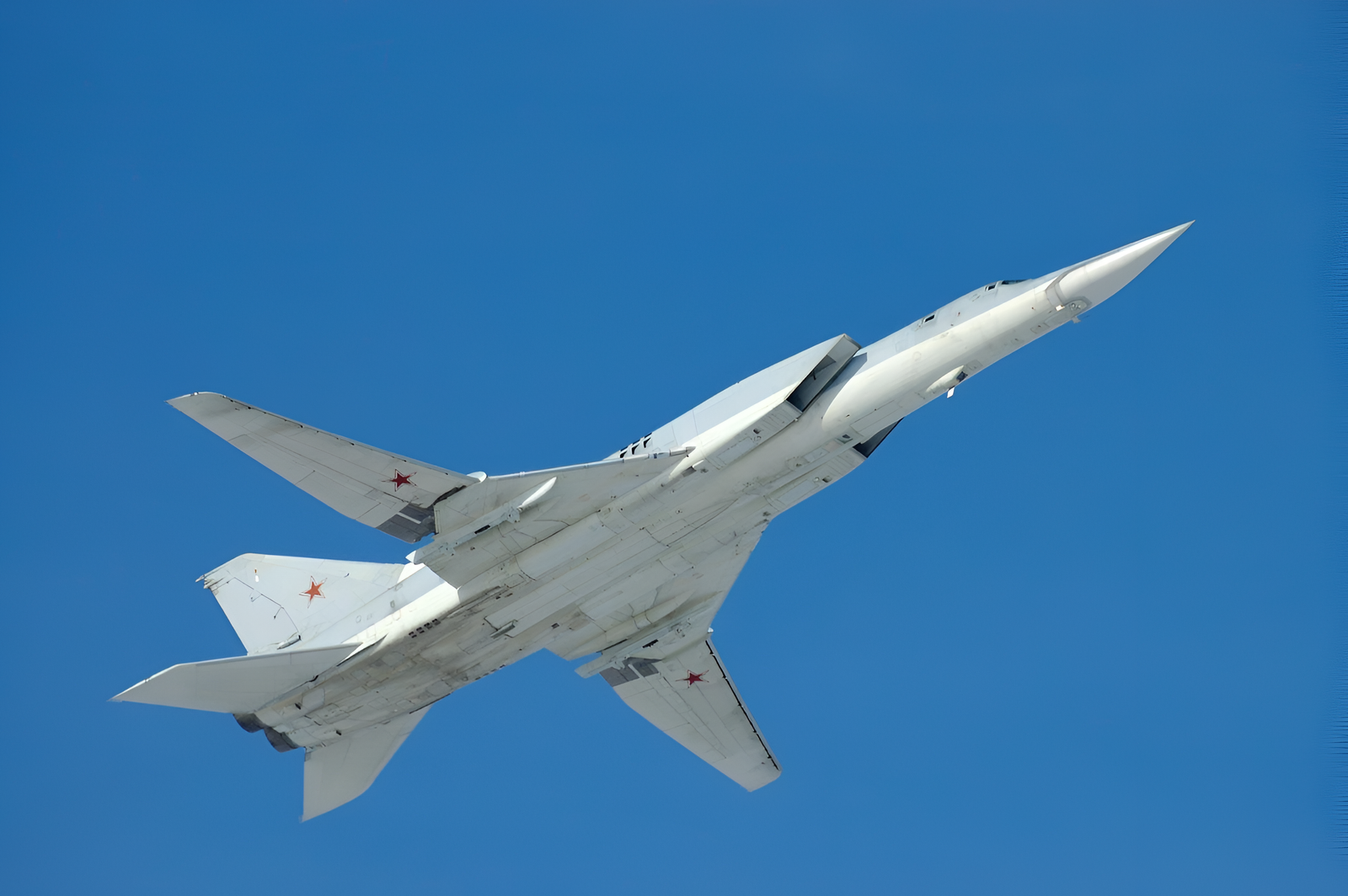
Some aircraft are undergoing modernization to the Tu-22M3M level. The updated version received modern avionics, new communication systems, and expanded capabilities for using high-precision weapons.
Despite the emergence of more modern projects, the Tu-22M3 remains an important element of long-range aviation due to its high speed and large combat load.
What missiles does the Tu-22M3 carry?
The aircraft's main weapon is heavy supersonic missiles.
Initially, the Tu-22M3 was designed for the Kh-22 anti-ship missile, capable of hitting large naval targets at long distances. Later, a more modern Kh-32 missile appeared with increased range and improved protection against air defense systems.
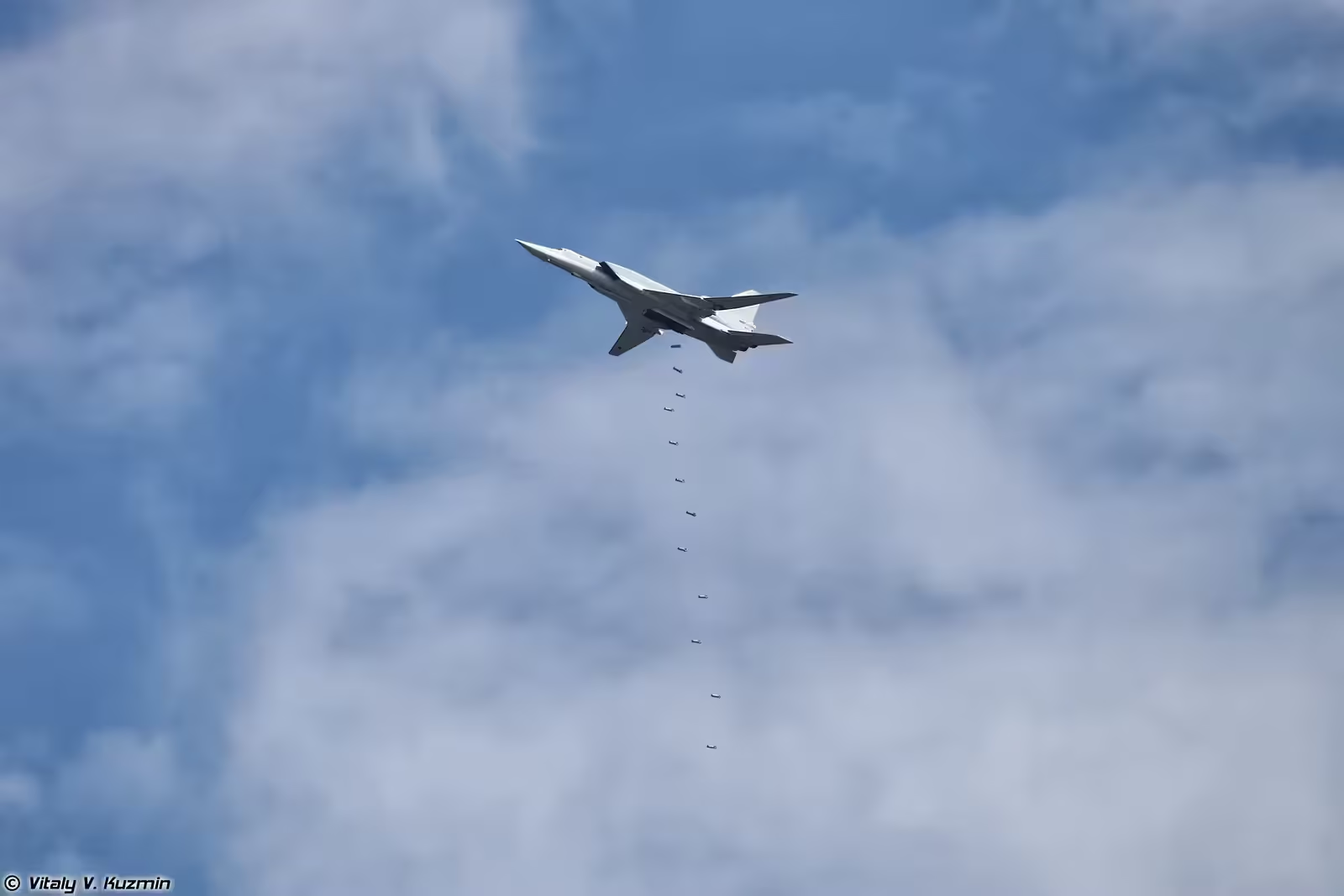
In addition, modernized aircraft can use various cruise missiles and high-precision aerial munitions.
It is the combination of speeds over 2000 km/h and the ability to carry heavy missiles that has made the Tu-22M3 one of the most powerful missile carriers in its class.
Why was the Tu-22 called the "cannibal"?
This nickname appeared back in Soviet times and is not at all related to the combat use of the aircraft. Early modifications of the Tu-22 family were characterized by complex piloting and a high accident rate.
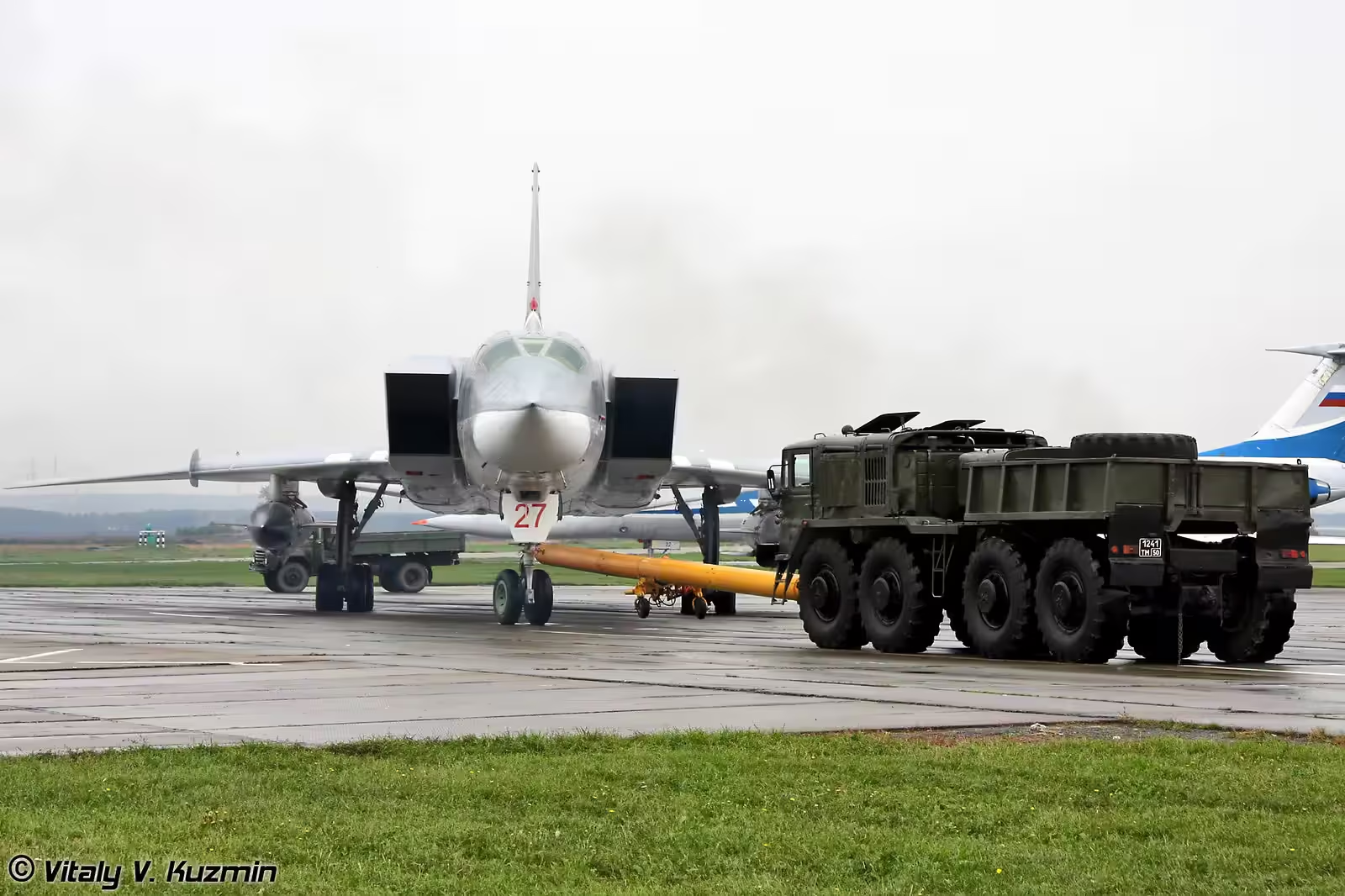
That is why a grim unofficial term "cannibal" appeared among pilots. Unlike the old "cannibal", the new Tu-22M3 is loved by pilots and affectionately called "Troika", and the formidable nickname remained in the history of Soviet aviation.
Read more articles on the topic:
- MS-21 might not have appeared because of the Tu-22M3 bomber
- Colonel revealed the strategy for using Tu-22M3 and Tu-160 "White Swan"
- "It was sabotage": the Tu-22M3 missile carrier abandoned the alloy imposed by the USA
Never miss our newsAdd this site to your preferred sources to see us more oftenAdd on Google

















